
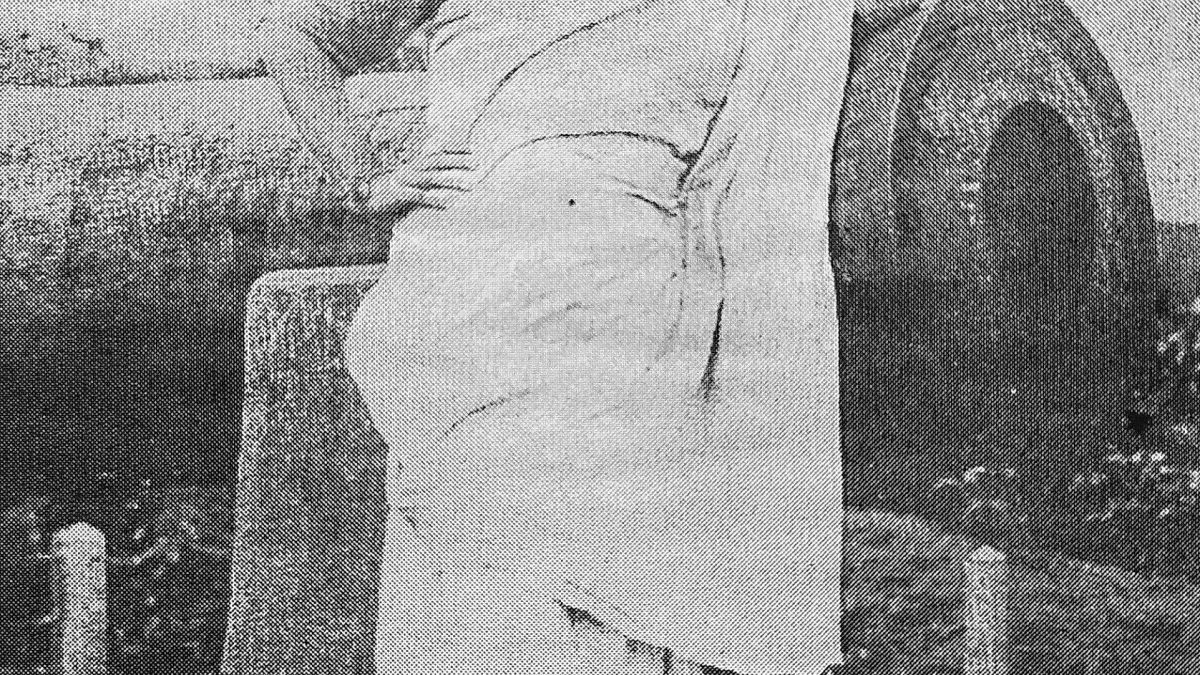
Kazi Nazrul Islam (24 May 1899 – 29 August 1976) was a Bengali poet, songwriter, musician and journalist, known as Bidrohi Kobi, the Rebel Poet. Born in a village in what is now West Bengal, he burst on Bengali literature in the 1920s with poems of defiance against colonial rule, religious bigotry and social injustice, was jailed for sedition, and composed several thousand songs that form a genre of their own, Nazrul Geeti. Illness silenced him at forty-three. He is the national poet of Bangladesh.
Quick Facts
| Full name | Kazi Nazrul Islam |
| Born | 24 May 1899, Churulia, Asansol, Bardhaman district, Bengal |
| Died | 29 August 1976 (aged 77), Dhaka, Bangladesh |
| Occupation | Poet, lyricist, composer, journalist |
| Language | Bengali |
| Known for | Bidrohi; Nazrul Geeti |
| Notable works | Agnibina, Bisher Banshi, Dolonchampa, Sanchita |
| Spouse | Pramila Devi |
| Honours | Padma Bhushan (1960); National Poet of Bangladesh |
Early Life
Nazrul was born at Churulia, a village in the coal belt near Asansol, into a family that had charge of the local mosque and shrine. His father died when he was nine. The boy served as a muezzin and teacher at the village school, then joined a travelling folk theatre troupe, for which he wrote songs and plays and through which he came to know both Islamic lore and the Hindu epics. He worked in a bakery, was helped back into school by well-wishers and studied up to the final class.
In 1917 he left to join the 49th Bengal Regiment and served for about three years at Karachi, where he read Persian poetry and began to publish.
The Rebel Poet
He came to Calcutta in 1920 and threw himself into journalism and the excitement of the Non-Cooperation years. In December 1921, in a single night, he wrote “Bidrohi” (“The Rebel”), a torrent of images in which the speaker is at once cyclone, Shiva, Orpheus and Bedouin, bowing to no one. It made him famous at once. His first collection, Agnibina, followed in 1922.
That year he started the journal Dhumketu, which openly demanded complete independence. A poem in it brought a charge of sedition, and in January 1923 he was sentenced to a year in prison. His statement to the court is a classic of Bengali prose. In jail he went on hunger strike for more than a month against the treatment of prisoners; Rabindranath Tagore, who had dedicated a play to him, telegraphed asking him to give it up.
Harmony
In 1924 he married Pramila, a young woman from a Hindu family, to the anger of the orthodox on both sides. He wrote Islamic devotional songs and hymns to Kali and Krishna with equal feeling, gave his sons names that joined the two traditions and attacked communal hatred in essay after essay. Poems such as “Samyabadi” proclaim the equality of all people, and “Nari” that of women and men.
Music
From the late 1920s he turned mainly to song. He wrote and composed for the gramophone, radio, stage and films, at great speed, some three thousand or more pieces: ghazals in Bengali, which he introduced, patriotic marches, love songs, folk-based songs and pieces built on rare ragas. He also acted in and directed a film.
Silence
The death of a beloved small son in 1930 had turned him towards mysticism. In 1942 he began to lose his speech and memory to an incurable neurological illness. He lived on for thirty-four years, unable to write, cared for by his family, for a long time in poverty. In 1972 the new state of Bangladesh brought him to Dhaka with India’s consent and honoured him as its national poet. He died there on 29 August 1976 and is buried beside the mosque of Dhaka University.
Legacy
His marching song “Chal chal chal” is the national march of Bangladesh. In West Bengal a university at Asansol and the airport at Andal are named after him, and his birthday is celebrated on both sides of the border.
Frequently Asked Questions
When and where was Kazi Nazrul Islam born?
Kazi Nazrul Islam was born on 24 May 1899 in Churulia, Asansol, Bardhaman district, Bengal.
When did Kazi Nazrul Islam die?
Died: 29 August 1976 (aged 77), Dhaka, Bangladesh.
What is Kazi Nazrul Islam known for?
Known for: Bidrohi; Nazrul Geeti.
What honours has Kazi Nazrul Islam received?
Padma Bhushan (1960); National Poet of Bangladesh.
Featured image: Kazi Nazrul Islam in 1921, the year he wrote Bidrohi. Photo by an unknown photographer, in the public domain, via Wikimedia Commons.



