
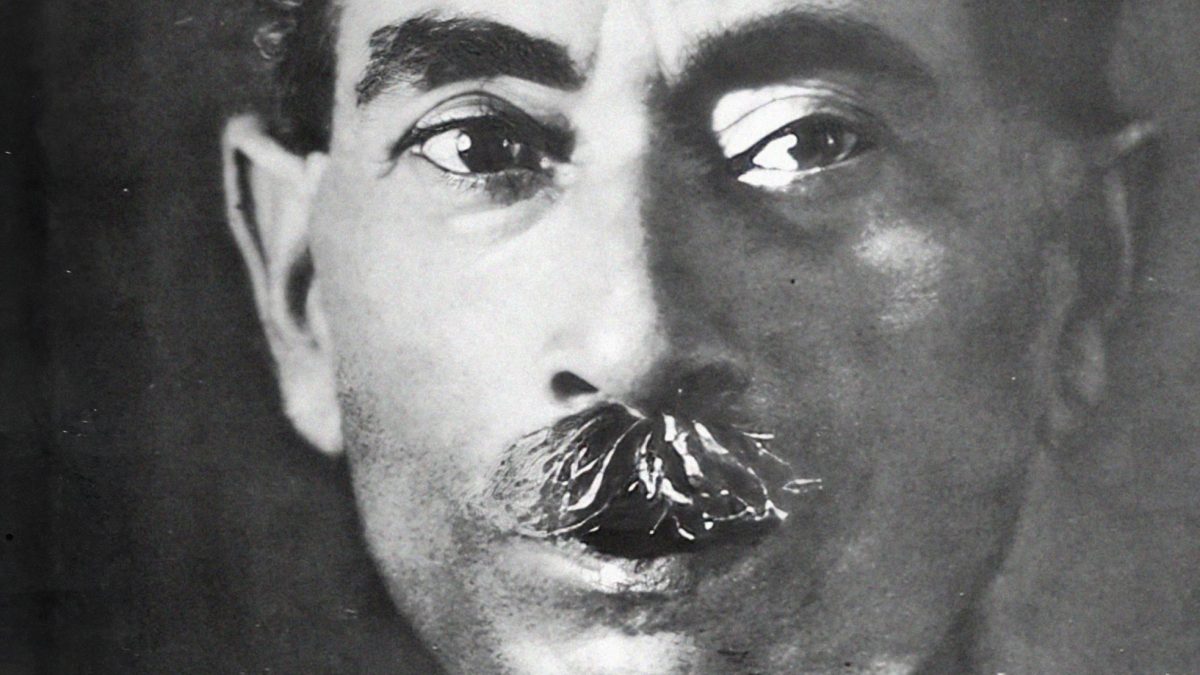
Munshi Premchand (31 July 1880 – 8 October 1936), born Dhanpat Rai Srivastava, was an Indian writer who is regarded as the greatest novelist and short-story writer in Hindi and one of the founders of modern Urdu fiction. In about a dozen novels and some three hundred stories he brought the peasant, the clerk, the widow and the untouchable into Indian literature and wrote about them without sentimentality. His last novel, Godaan, is widely considered the finest in the language.
Quick Facts
| Birth name | Dhanpat Rai Srivastava |
| Born | 31 July 1880, Lamhi, near Varanasi, Uttar Pradesh, India |
| Died | 8 October 1936 (aged 56), Varanasi |
| Occupation | Novelist, short-story writer, editor |
| Languages | Hindi, Urdu |
| Notable works | Godaan, Gaban, Nirmala, Rangbhoomi, Kafan, Idgah, Shatranj Ke Khiladi |
| Spouse | Shivarani Devi |
| Children | 3 |
Early Life
Premchand was born in the village of Lamhi, a few miles from Varanasi, the son of a postal clerk. His mother died when he was eight and his father remarried. He was taught Urdu and Persian by a maulvi and became a voracious reader of Urdu romances in a tobacconist’s shop. He was married at fifteen, a match that did not last, and his father died soon afterwards, leaving him to support a stepmother and stepbrothers by giving tuitions while he finished school.
He became a schoolteacher in 1899 and spent two decades in the government education service in towns across the United Provinces, rising to be a deputy sub-inspector of schools. In 1906 he married Shivarani Devi, a child widow, in defiance of custom.
Writing Career
He began writing in Urdu under the name Nawab Rai. In 1909 officials noticed Soz-e-Watan, a collection of patriotic stories; the district collector summoned him, the unsold copies were burned and he was forbidden to publish without permission. He adopted the pen name Premchand to continue.
From about 1914 he wrote increasingly in Hindi, which offered more readers, and usually produced his work in both languages. Sevasadan (1919), about a woman driven into prostitution, made his reputation. In February 1921, at Gorakhpur, he heard Mahatma Gandhi call on government servants to resign, and a few days later gave up a secure post after twenty years.
He settled in Varanasi, set up the Saraswati Press and edited the magazines Hans and Jagaran, which lost money all his life. His major novels followed: Premashram on landlords and tenants, Rangbhoomi with its blind beggar hero resisting a factory, Nirmala on a girl married to an elderly widower, Gaban on middle-class vanity, Karmabhoomi and, in 1936, Godaan, the story of the peasant Hori, who works himself to death hoping to own a cow.
His stories are read by every Indian schoolchild: “Idgah”, in which a small boy spends his festival money on tongs for his grandmother; “Poos Ki Raat”; “Bade Ghar Ki Beti”; “Namak Ka Daroga”; “Shatranj Ke Khiladi”, about two noblemen playing chess as Awadh falls; and the bleak late masterpiece “Kafan”.
In 1934 he went to Bombay to write for films and returned within a year, disillusioned. In April 1936 he presided over the first conference of the Progressive Writers’ Association at Lucknow, where he said that literature must hold up a torch before politics, not follow behind it. He died in Varanasi on 8 October that year, leaving a novel unfinished.
Legacy
His sons, Sripat Rai and Amrit Rai, became writers and publishers; Amrit Rai wrote his biography. Satyajit Ray filmed two of his stories. His house at Lamhi is a memorial, and his birthday is observed across the Hindi-speaking world.
Frequently Asked Questions
When and where was Munshi Premchand born?
Munshi Premchand was born on 31 July 1880 in Lamhi, near Varanasi, Uttar Pradesh, India.
When did Munshi Premchand die?
Died: 8 October 1936 (aged 56), Varanasi.
What is Munshi Premchand’s occupation?
Occupation: Novelist, short-story writer, editor.
Featured image: Munshi Premchand in the 1930s. Photo by an unknown photographer, licensed under CC0, via Wikimedia Commons.



