
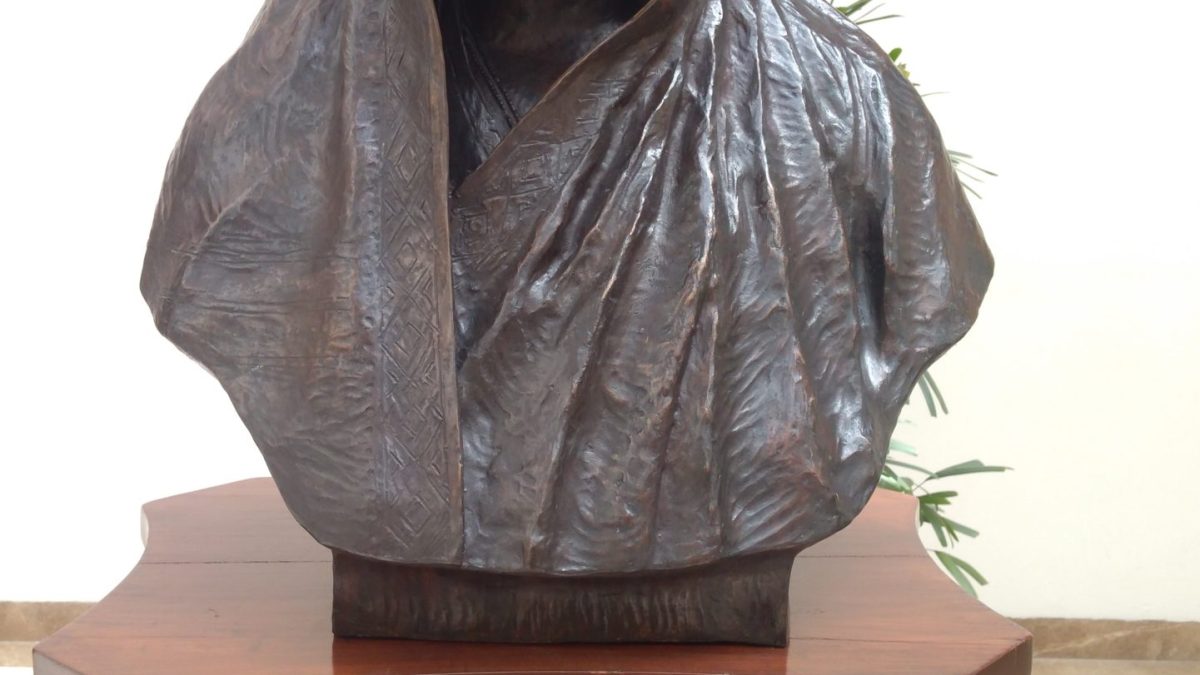
Savitribai Phule (3 January 1831 – 10 March 1897) was an Indian teacher, social reformer and poet from Maharashtra. With her husband, Jyotirao Phule, she opened the first school for girls run by Indians, at Pune in 1848, and is honoured as the first woman teacher of modern India. She spent her life working for the education and rights of women, Dalits and the poor, and died nursing plague victims.
Quick Facts
| Full name | Savitribai Jyotirao Phule |
| Born | 3 January 1831, Naigaon, Satara district, Maharashtra |
| Died | 10 March 1897, Pune (aged 66) |
| Occupation | Teacher, social reformer, poet |
| Known for | First woman teacher of modern India; first girls’ school at Pune (1848); work for widows and the oppressed castes |
| Organisation | Satyashodhak Samaj |
| Spouse | Jyotirao Phule (m. 1840; died 1890) |
| Children | Yashwant (adopted) |
Early Life
She was born at Naigaon, a village in Satara district, into a farming family of the Mali, or gardener, caste. Like nearly all girls of her time she was not sent to school. In 1840, aged nine, she was married to Jyotirao Phule, who was thirteen.
Education
Jyotirao, who had studied at a mission school and been stirred by ideas of equality, taught his wife to read and write at home, along with a cousin, Sagunabai. Savitribai then trained as a teacher at institutions run by American and Scottish missionaries in Ahmednagar and Pune.
The First School
On 1 January 1848 the couple opened a school for girls in the house of a friend, Tatyasaheb Bhide, in Pune. Savitribai, seventeen, was its teacher and soon its headmistress. The first pupils were a handful of girls of different castes.
Orthodox opinion in Pune was outraged that a woman, and a low-caste woman, should teach, and that girls should learn. On her way to school she was abused, and stones, mud and dung were thrown at her. She took to carrying a second sari and changing when she arrived. Under pressure from the community, Jyotirao’s father turned the couple out of his house in 1849. They were sheltered by a Muslim friend, Usman Sheikh, whose sister Fatima Sheikh trained alongside Savitribai and taught with her.
By 1851 they were running three schools in Pune with about 150 girls, more than were enrolled in the government’s schools for boys, and they later opened schools for the children of the castes then treated as untouchable. In 1852 the British authorities publicly honoured the couple for their work.
Work for Women
- **A home for widows:** in a society where widows, often very young, could not remarry and were preyed upon, the Phules opened a home in 1863 where pregnant widows could give birth safely and leave their babies, to prevent infanticide
- **Adoption:** they adopted a boy born there to a Brahmin widow, named him Yashwant and brought him up as their son; he became a doctor
- **Against tonsure:** she organised a strike of barbers against the custom of shaving widows’ heads
- **Water:** in 1868 they opened the well in their courtyard to the untouchables
The Satyashodhak Samaj
In 1873 Jyotirao founded the Satyashodhak Samaj, the Society of Truth-Seekers, to free the lower castes from priestly domination; it conducted marriages without priests or dowry. Savitribai led its women’s section. When Jyotirao died in 1890 she lit his funeral pyre herself, in defiance of the custom reserving the rite for men, and then led the Samaj.
Poet
She published two volumes of verse, Kavya Phule (1854) and Bavan Kashi Subodh Ratnakar (1892), urging the oppressed to educate themselves: “Go, get education; be self-reliant, be industrious.”
Death
When bubonic plague reached Pune in 1897 she and Yashwant opened a clinic outside the city. She carried a sick child there on her back, caught the disease and died on 10 March 1897.
Legacy
The University of Pune was renamed Savitribai Phule Pune University, and her birthday is observed in Maharashtra as a day for the girl child. She is regarded as a founder of Indian feminism and, with Dr B. R. Ambedkar, who acknowledged Jyotirao as a teacher, as a guiding figure of the movement against caste.
Featured image: A bust of Savitribai Phule at Maharashtra Sadan, New Delhi. Photo by आशीष भटनागर, licensed under CC BY-SA 3.0, via Wikimedia Commons.



