
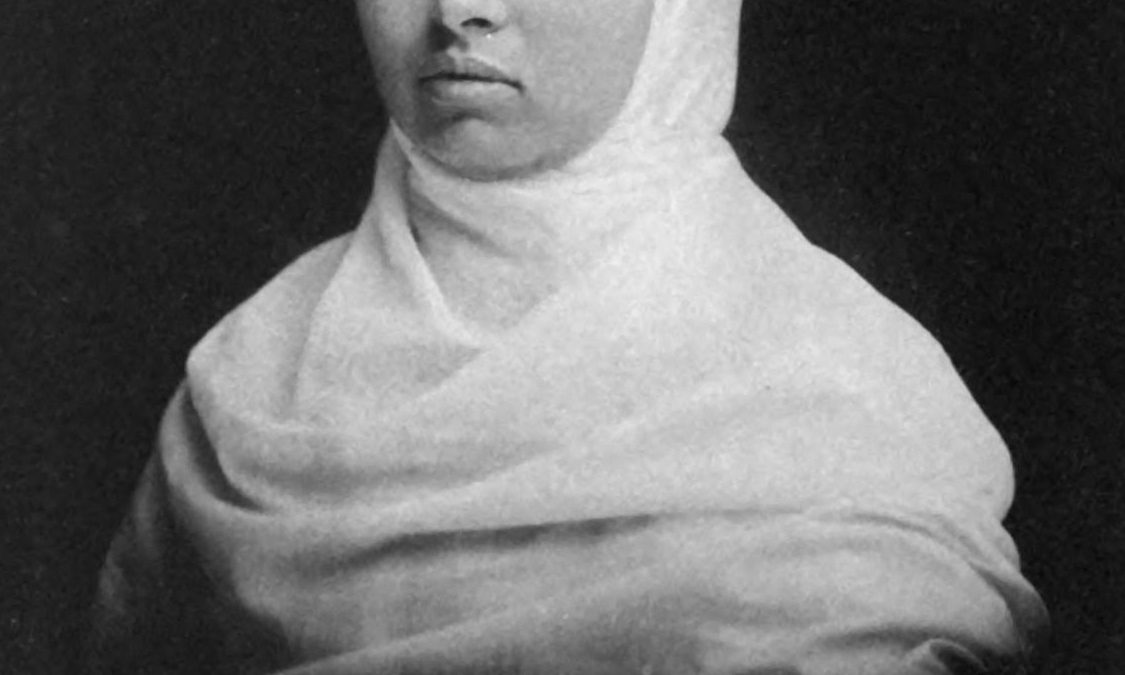
Pandita Ramabai Sarasvati (23 April 1858 – 5 April 1922) was an Indian social reformer, scholar and educator, and one of the first Indian women to argue in public, and in print, for the education and freedom of women. A Sanskrit scholar honoured with the titles Pandita and Sarasvati, she founded the Sharada Sadan for child widows in 1889 and the Mukti Mission at Kedgaon, near Pune, which still shelters women and children.
Quick Facts
| Birth name | Rama Dongre |
| Born | 23 April 1858, Gangamoola, Karnataka, India |
| Died | 5 April 1922 (aged 63), Kedgaon, Maharashtra |
| Occupation | Social reformer, scholar, educator |
| Known for | Sharada Sadan; Mukti Mission; The High-Caste Hindu Woman |
| Spouse | Bipin Behari Medhvi (m. 1880; d. 1882) |
| Children | 1 daughter (Manorama) |
| Honours | Kaisar-i-Hind Medal (1919) |
Early Life
She was born in a forest hermitage in the Western Ghats. Her father, Anant Shastri Dongre, a Chitpavan Brahmin scholar, believed that women should learn Sanskrit and taught his young wife, for which he was shunned by his community. Her mother in turn taught Ramabai, who by her teens knew thousands of verses of the Puranas by heart. The family lived as wandering reciters of scripture. Her parents and sister died of starvation and disease during the famine of the 1870s, and she and her brother walked on across India for several more years.
Calcutta and Marriage
They reached Calcutta in 1878. Scholars who examined her were astonished by her learning and conferred on her the titles Pandita and Sarasvati. She lectured on the education of women and met the reformers of the Brahmo Samaj. After her brother’s death she married his friend Bipin Behari Medhvi, a Bengali lawyer of a different caste, in a civil ceremony. He died of cholera less than two years later, leaving her a widow of twenty-three with an infant daughter.
Reformer
She moved to Pune and in 1882 founded the Arya Mahila Samaj to promote women’s education and oppose child marriage. Before the Hunter Commission on education she argued that India needed women teachers and women doctors, evidence that is said to have influenced the start of medical services for Indian women. She published Stri Dharma Niti, a guide for women, to pay for a journey to England.
England and America
In England in 1883 she was baptised a Christian, a decision that caused lasting controversy at home, and taught Sanskrit at Cheltenham Ladies’ College. In 1886 she went to the United States for the graduation of Anandibai Joshi, the first Indian woman to qualify as a doctor, and stayed for more than two years. Her book The High-Caste Hindu Woman (1887), a forceful account of the lives of child brides and widows, sold widely and led to the forming of an association in Boston to fund her work.
Sharada Sadan and Mukti
She returned in 1889 and opened the Sharada Sadan, a residential school for widows, in Bombay, moving it to Pune the next year. Reformers supported it until some pupils adopted Christianity, when many withdrew. During the famines of 1896–97 and 1900 she travelled through central India and Gujarat and brought back hundreds of starving girls and women. To house them she built the Mukti Mission on farmland at Kedgaon, where residents learned weaving, printing, dairy work and teaching and ran the settlement themselves.
Later Years
She spent her last years translating the Bible into simple Marathi from Hebrew and Greek, completing it shortly before her death. Her daughter, Manorama, who had worked beside her, died in 1921; Ramabai died on 5 April 1922. India issued a postage stamp in her honour in 1989, and she is remembered as a pioneer of women’s emancipation.
Frequently Asked Questions
When and where was Pandita Ramabai born?
Pandita Ramabai was born on 23 April 1858 in Gangamoola, Karnataka, India.
When did Pandita Ramabai die?
Died: 5 April 1922 (aged 63), Kedgaon, Maharashtra.
What is Pandita Ramabai known for?
Known for: Sharada Sadan; Mukti Mission; The High-Caste Hindu Woman.
What honours has Pandita Ramabai received?
Kaisar-i-Hind Medal (1919).
Featured image: Pandita Ramabai, from the frontispiece of a book published in 1922. Photo by an unknown photographer, in the public domain, via Wikimedia Commons.



