
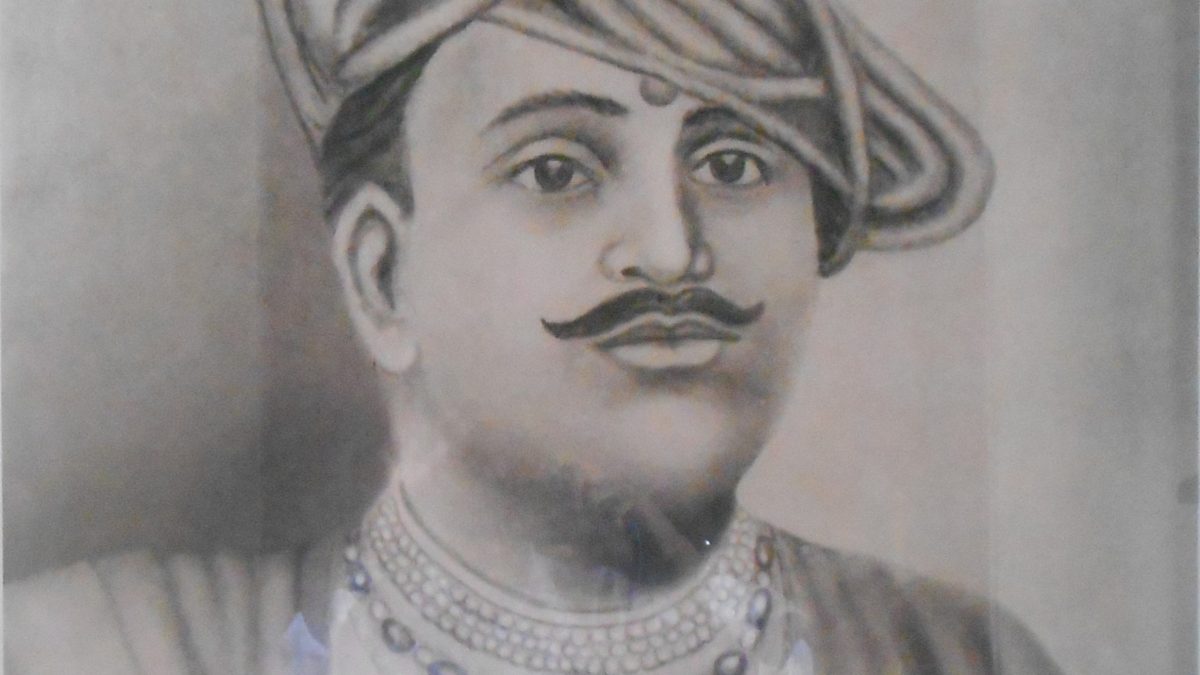
Kanhoji Angre (c. 1669 – 4 July 1729) was the admiral of the Maratha navy in the early eighteenth century and the most successful Indian naval commander of his age. From fortified harbours along the Konkan coast he controlled the sea lanes between Bombay and Goa for three decades, forcing European trading companies to buy his passes or lose their ships. The English, Portuguese and Dutch, separately and together, tried to destroy him and failed. They called him a pirate; to the Marathas he was Sarkhel, admiral of the fleet.
Quick Facts
| Full name | Kanhoji Angre |
| Born | c. 1669, Konkan coast, present-day Maharashtra |
| Died | 4 July 1729, Alibag |
| Title | Sarkhel (Admiral) of the Maratha navy |
| Known for | Maratha naval supremacy on the west coast |
| Bases | Kolaba, Suvarnadurg, Vijaydurg (Gheriah) |
| Father | Tukoji Sankhpal |
Early Life
Kanhoji was born into a seafaring family of the Konkan. His father, Tukoji, served in the navy created by Shivaji and held a command at the island fort of Suvarnadurg. Kanhoji grew up among sailors and learned the coast, its creeks, tides and monsoon winds. He distinguished himself as a young officer in the defence of Suvarnadurg against the Siddis of Janjira, the Marathas’ long-standing rivals at sea.
Admiral
About 1698 he was appointed Sarkhel, commander of the Maratha fleet, during the regency of Tarabai, when the Maratha state was fighting for survival against the Mughal emperor Aurangzeb. He made Kolaba, off Alibag, his headquarters and built up a chain of sea forts with shipyards. His fleet consisted mainly of fast, shallow-draught vessels, the gurab and the gallivat, which could strike quickly and retreat into creeks where heavy European ships could not follow.
Following Shivaji’s practice, he required every merchant vessel on the coast to carry a dastak, a pass bought from him. Ships without one were seized. The European companies, which issued similar passes of their own, refused to accept his authority, and conflict followed.
When Shahu was released from Mughal captivity and claimed the Maratha throne, Kanhoji at first supported the rival court of Tarabai and in 1713 defeated and captured Shahu’s chief minister. The new Peshwa, Balaji Vishwanath, chose to negotiate. By an agreement of 1714 Kanhoji recognised Shahu and was confirmed as admiral with control of a long stretch of coast and more than twenty forts, an arrangement that reunited Maratha power on land and sea.
In 1712 he captured the armed yacht of the East India Company’s Governor of Bombay and released it for a ransom. Over the following years he took several Company ships. A new governor, Charles Boone, built a special fleet and attacked Vijaydurg in 1718 and Khanderi soon after; both assaults were beaten off. In 1721 a joint English and Portuguese expedition against Kolaba, with ships of the Royal Navy, also failed. A Dutch attack on Vijaydurg in 1724 was repulsed. The companies were finally obliged to make terms.
Death and Legacy
Kanhoji died on 4 July 1729, undefeated, and was succeeded by his sons, whose quarrels weakened the family’s power. Vijaydurg fell in 1756 to a combined force of the Company and the Peshwa. His tomb stands at Alibag. The Indian Navy’s shore establishment in Mumbai that supports the Western Naval Command is named INS Angre, and he is honoured as a founder of India’s naval tradition.
Frequently Asked Questions
When and where was Kanhoji Angre born?
Birth details: c. 1669, Konkan coast, present-day Maharashtra.
When did Kanhoji Angre die?
Died: 4 July 1729, Alibag.
What is Kanhoji Angre known for?
Known for: Maratha naval supremacy on the west coast.
Featured image: Portrait of Kanhoji Angre, from the collection of the Angre family. Photo by Pratish Khedekar, licensed under CC BY-SA 4.0, via Wikimedia Commons.



