
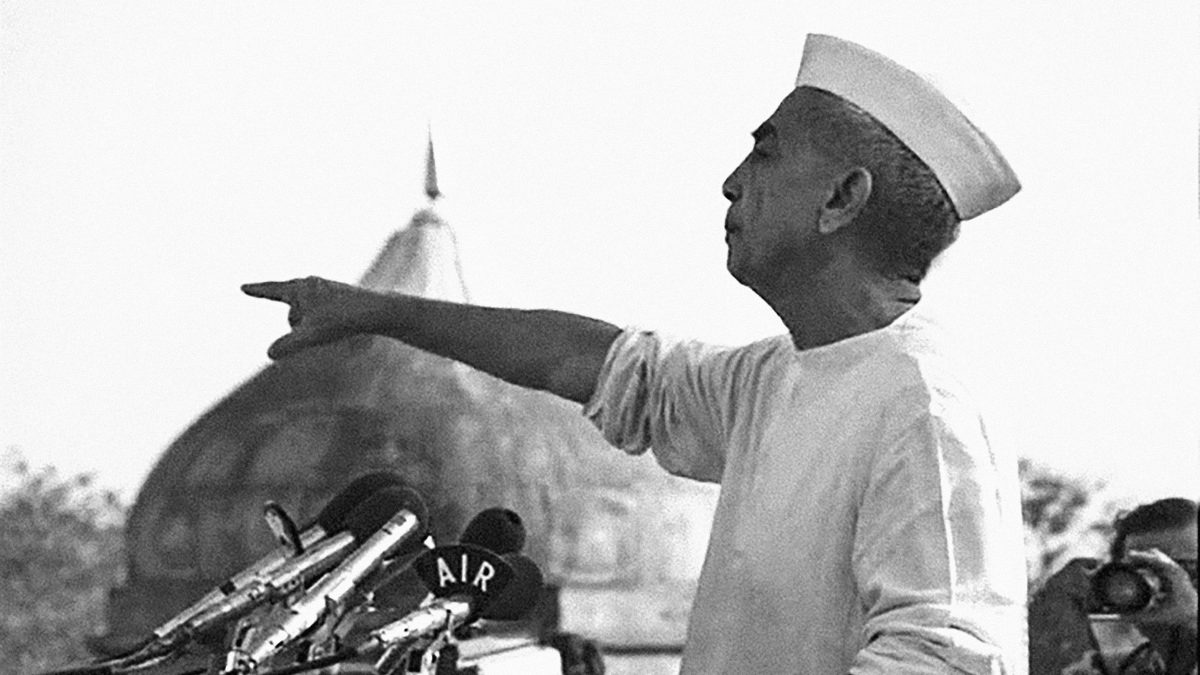
Chaudhary Charan Singh (23 December 1902 – 29 May 1987) was an Indian politician and freedom fighter who served as the fifth Prime Minister of India from July 1979 to January 1980. He spent his life arguing that India’s future lay in its villages and small farmers, and he was the main author of the laws that abolished landlordism in Uttar Pradesh. His birthday is observed as Kisan Diwas (Farmers’ Day), and he was awarded the Bharat Ratna posthumously in 2024.
Quick Facts
| Full name | Chaudhary Charan Singh |
| Born | 23 December 1902, Noorpur, Meerut district, United Provinces (now Uttar Pradesh), India |
| Died | 29 May 1987, New Delhi (aged 84) |
| Office | 5th Prime Minister of India (28 July 1979 – 14 January 1980) |
| Parties | Indian National Congress; Bharatiya Kranti Dal; Bharatiya Lok Dal; Janata Party; Lok Dal |
| Earlier offices | Chief Minister of Uttar Pradesh (1967–1968, 1970); Home Minister; Deputy Prime Minister and Finance Minister |
| Education | Agra College (M.A. History, LL.B.) |
| Spouse | Gayatri Devi (m. 1925) |
| Honour | Bharat Ratna (2024, posthumous) |
Early Life
Charan Singh was born in a thatched hut to a family of Jat tenant farmers. He took degrees in science, history and law from Agra College and began practising law at Ghaziabad in 1928. He joined the Congress and was jailed in 1930 for making salt in defiance of British law, and again in 1940 and 1942.
Political Career
He was elected to the provincial assembly from Chhaprauli in 1937 and represented it for forty years. In 1939 he drafted a bill to free farmers from debt. As a minister after independence he piloted the Zamindari Abolition and Land Reforms Act of 1952, which gave ownership of land to millions of tenants, and a 1953 law consolidating scattered holdings. At the Congress session at Nagpur in 1959 he publicly opposed Jawaharlal Nehru‘s plan for cooperative farming.
He left the Congress in 1967 and became the first non-Congress Chief Minister of Uttar Pradesh at the head of a coalition, holding the office again in 1970. He founded the Bharatiya Kranti Dal and later the Bharatiya Lok Dal, bringing together farming castes of North India.
Jailed during the Emergency, he was a founder of the Janata Party and became Home Minister in Morarji Desai‘s government in 1977, where he ordered the arrest of Indira Gandhi. He later served as Deputy Prime Minister and Finance Minister. After the Janata Party split he was sworn in as Prime Minister on 28 July 1979 with the promised support of Indira Gandhi’s Congress. The support was withdrawn before he could face Parliament, and he resigned after 23 days, continuing as caretaker until January 1980. He is the only Prime Minister who never faced the Lok Sabha.
Writings
His books include Abolition of Zamindari, Joint Farming X-rayed and India’s Economic Policy: The Gandhian Blueprint.
Legacy
Frequently Asked Questions
When and where was Charan Singh born?
Charan Singh was born on 23 December 1902 in Noorpur, Meerut district, United Provinces (now Uttar Pradesh), India.
When did Charan Singh die?
Died: 29 May 1987, New Delhi (aged 84).
Featured image: Prime Minister Charan Singh addresses the nation from the Red Fort, Delhi, 15 August 1979. Photo by Charan Singh Archives, licensed under CC BY-SA 4.0, via Wikimedia Commons.



