
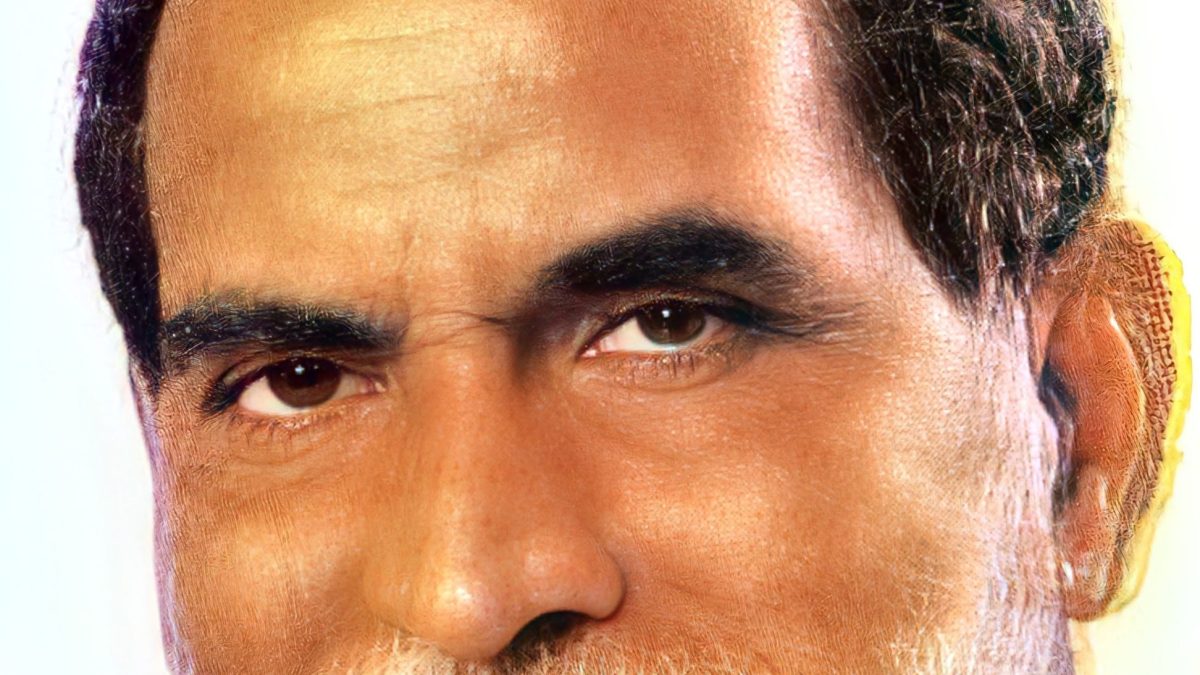
Chandra Shekhar (17 April 1927 – 8 July 2007) was an Indian politician who was the eighth Prime Minister of India, from November 1990 to June 1991. A socialist from Ballia in eastern Uttar Pradesh, he was the leader of the “Young Turks” in the Congress of the 1960s, was jailed during the Emergency although he belonged to the ruling party, led the Janata Party for eleven years, and in 1983 walked more than four thousand kilometres from Kanyakumari to Delhi. He became Prime Minister without ever having been a minister.
Quick Facts
| Full name | Chandra Shekhar Singh |
| Born | 17 April 1927, Ibrahimpatti, Ballia district, Uttar Pradesh, India |
| Died | 8 July 2007 (aged 80), New Delhi |
| Office | Prime Minister of India (10 November 1990 – 21 June 1991) |
| Constituency | Ballia (Lok Sabha) |
| Parties | Praja Socialist Party; Indian National Congress; Janata Party; Samajwadi Janata Party |
| Education | University of Allahabad (M.A. Political Science) |
| Spouse | Duja Devi |
| Children | 2 sons |
Early Life
He was born into a farming family in the village of Ibrahimpatti. He studied at a college in Ballia and took a master’s degree in political science at the University of Allahabad in 1951. Drawn to the socialism of Acharya Narendra Deva, he became a full-time party worker instead of taking a job, and rose to be secretary of the Praja Socialist Party in Uttar Pradesh.
Political Career
He entered the Rajya Sabha in 1962 and joined the Congress in the mid-1960s. With a group of younger members he pressed the leadership to keep its socialist promises: the nationalisation of banks, the abolition of the privy purses of former princes and action against monopolies. The press called them the Young Turks. He supported Indira Gandhi in the party split of 1969, but then criticised the concentration of power in her hands, and in 1972 was elected to the party’s working committee against her wishes. He urged her to talk to Jayaprakash Narayan instead of confronting him.
When the Emergency was declared in June 1975 he was arrested and spent nineteen months in prison, part of it in solitary confinement, where he kept a diary later published. On his release he became president of the new Janata Party, which won the 1977 election, and he was elected to the Lok Sabha from Ballia, a seat he won eight times. He declined to join the government and remained party president until 1988.
From 6 January to 25 June 1983 he walked from Kanyakumari to Rajghat in Delhi, some 4,260 kilometres, stopping in villages to talk about drinking water, primary schools, health and the condition of Dalits and tribal people. He set up a number of centres for rural work along the route.
He joined the Janata Dal on its formation, was passed over for the leadership in 1989 and in November 1990 broke away with about sixty members. With the support from outside of the Congress under Rajiv Gandhi he was sworn in as Prime Minister on 10 November. His seven months were dominated by a balance-of-payments crisis, in which his government, with Yashwant Sinha as Finance Minister, pledged gold to avoid default, by the Gulf War, and by attempts to open talks on the Ayodhya dispute. He resigned on 6 March 1991 after the Congress accused his government of spying on Rajiv Gandhi, and stayed on as caretaker until the election.
Later Years
He continued to represent Ballia and was respected across parties for his plain speaking; he received the Outstanding Parliamentarian Award in 1995. He died in New Delhi on 8 July 2007 of cancer. His son Neeraj Shekhar followed him into Parliament.
Frequently Asked Questions
When and where was Chandra Shekhar born?
Chandra Shekhar was born on 17 April 1927 in Ibrahimpatti, Ballia district, Uttar Pradesh, India.
When did Chandra Shekhar die?
Died: 8 July 2007 (aged 80), New Delhi.
Featured image: Chandra Shekhar, former Prime Minister of India. Photo by India Post, Government of India, licensed under Government Open Data License – India, via Wikimedia Commons.



