
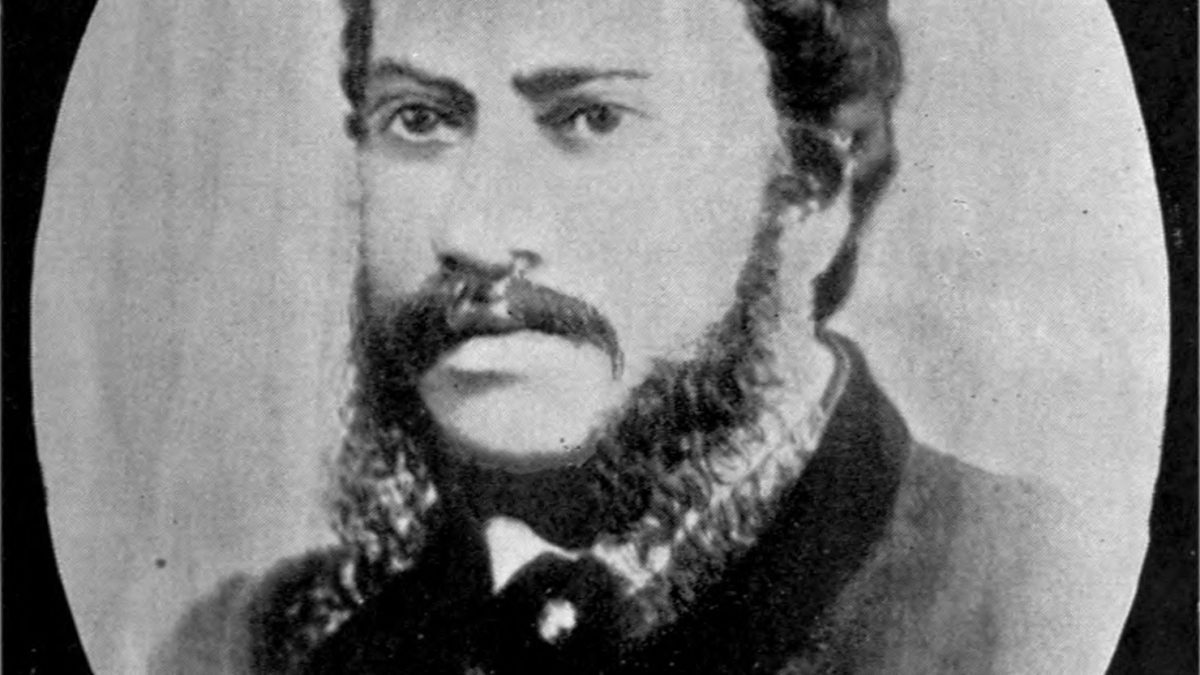
Michael Madhusudan Dutt (25 January 1824 – 29 June 1873) was an Indian poet and dramatist, the first great modern poet in Bengali. Having set out to be an English poet, he turned to his mother tongue in his mid-thirties and within five years gave it blank verse, the sonnet, the modern stage play and an epic, Meghnad Badh Kavya, in which the villain of the Ramayana becomes a tragic hero. His life, extravagant, restless and ending in poverty, is as famous in Bengal as his work.
Quick Facts
| Full name | Michael Madhusudan Dutt |
| Born | 25 January 1824, Sagardari, Jessore district, Bengal (now Bangladesh) |
| Died | 29 June 1873 (aged 49), Calcutta |
| Occupation | Poet, playwright, barrister |
| Languages | Bengali, English |
| Education | Hindu College, Calcutta; Bishop’s College; Gray’s Inn, London |
| Notable works | Meghnad Badh Kavya, Tilottama Sambhav Kavya, Birangana Kavya, Sharmishtha, Krishnakumari, Chaturdashpadi Kavitavali |
Early Life
He was born in the village of Sagardari on the Kapotaksha river, the only surviving son of Rajnarayan Dutt, a prosperous lawyer in the Calcutta courts. At Hindu College, the nursery of English education in Bengal, he was a brilliant and flamboyant student who worshipped Byron and Milton, wrote English verse and dreamed of sailing to England.
On 9 February 1843, to avoid a marriage his father had arranged and in the hope of reaching Europe, he was baptised a Christian and took the name Michael. His father disowned him in time, and he had to leave Hindu College for Bishop’s College.
Madras
In 1848 he went to Madras, where he worked as a schoolteacher and journalist, married Rebecca, a young woman from an orphan asylum, and published a long English poem, The Captive Ladie. A British educationist who read it advised him to give his talents to his own language. His marriage broke down, and he formed a lifelong union with Henrietta, daughter of a colleague.
The Bengali Works
He returned to Calcutta in 1856. Asked to translate a Bengali play into English, he was struck by how poor the drama was and wrote Sharmishtha (1859), the first Bengali play on the Western model, followed by Padmavati, the tragedy Krishnakumari and two farces mocking the hypocrisy of both the anglicised young and the pious old.
To prove that Bengali could bear unrhymed verse he wrote Tilottama Sambhav Kavya (1860), and then, in 1861, Meghnad Badh Kavya, an epic in nine cantos on the death of Meghnad, son of Ravana. Its sympathy lies with the defenders of Lanka; Rama and Lakshmana are the invaders. The poem’s sound, vocabulary and daring astonished readers and remains the high point of nineteenth-century Bengali poetry. Brajangana and Birangana, a set of verse letters from heroines of legend, followed.
Europe and the Sonnets
In 1862 he went to England to qualify as a barrister at Gray’s Inn. Money from his estate failed to arrive, and he and his family lived in want at Versailles, in danger of prison for debt, until Ishwar Chandra Vidyasagar raised funds and rescued them. Homesick, he wrote the first sonnets in Bengali, more than a hundred of them, including the well-known poems on the Kapotaksha river and on the Bengali language, in which he repents of having begged at foreign doors while his own house was full of jewels.
Last Years
He was called to the bar and practised at the Calcutta High Court from 1867, earning well and spending more. Ill and in debt, he died in a public hospital on 29 June 1873, three days after Henrietta.
Legacy
His epitaph, which he wrote himself, asks the passer-by to pause at the grave of a poet of Bengal. Modern Bengali poetry begins with him, and his birthplace at Sagardari is the site of an annual festival.
Frequently Asked Questions
When and where was Michael Madhusudan Dutt born?
Michael Madhusudan Dutt was born on 25 January 1824 in Sagardari, Jessore district, Bengal (now Bangladesh).
When did Michael Madhusudan Dutt die?
Died: 29 June 1873 (aged 49), Calcutta.
What is Michael Madhusudan Dutt’s occupation?
Occupation: Poet, playwright, barrister.
Featured image: Michael Madhusudan Dutt, nineteenth-century photograph. Photo by an unknown photographer, in the public domain, via Wikimedia Commons.



