India
Non-Cooperation Movement and Chauri Chaura (1920–22): Gandhi’s First Mass Campaign
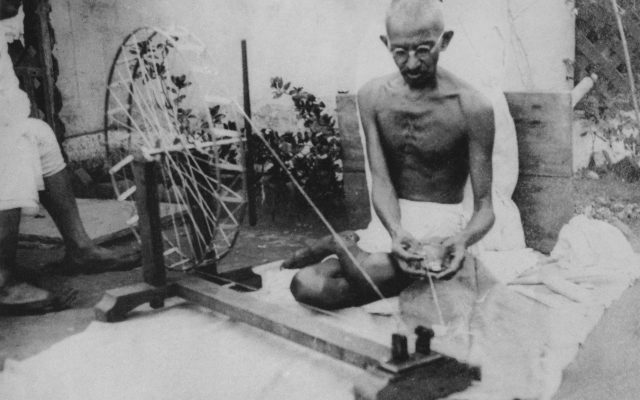
Gandhi launched non-cooperation in 1920, and called it off in 1922 after the violence at Chauri Chaura. Here is the full story.

Gandhi launched non-cooperation in 1920, and called it off in 1922 after the violence at Chauri Chaura. Here is the full story.
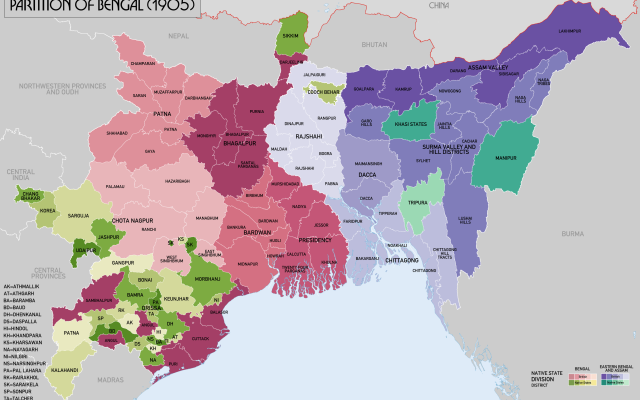
Lord Curzon's partition of Bengal in 1905 set off the Swadeshi movement and was reversed six years later. Here is what happened.
In 1859 thousands of Bengal peasants refused to grow indigo for European planters, in one of the largest peasant movements of the…
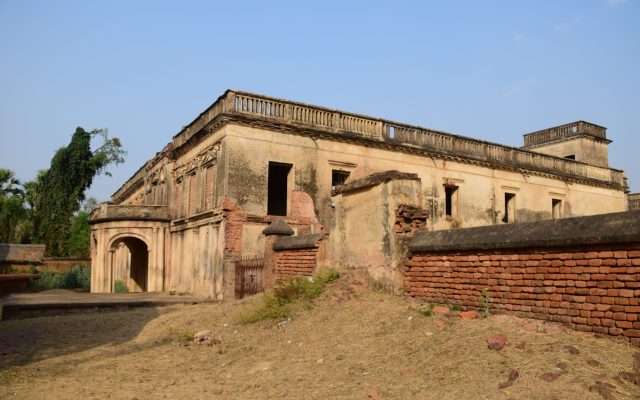
In 1793 Cornwallis fixed the land revenue of Bengal forever and created a class of zamindars. Here is how it worked and…
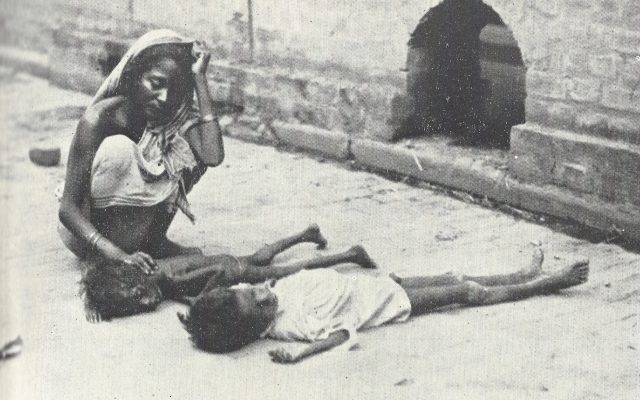
An estimated 0.8 to 3.8 million people died in the Bengal famine of 1943. Here is what caused it and why historians…
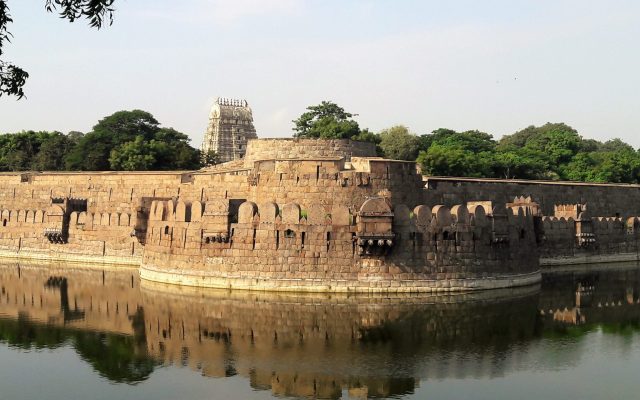
On 10 July 1806 sepoys seized Vellore Fort, half a century before 1857. Here is what caused it and what followed.
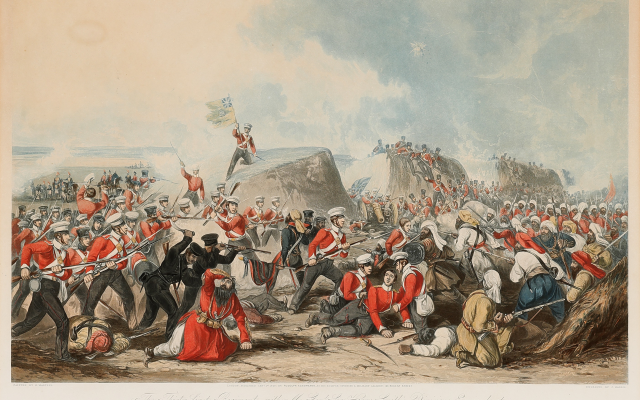
Two wars in four years destroyed the Sikh Empire built by Ranjit Singh, and Punjab was annexed by the East India Company…
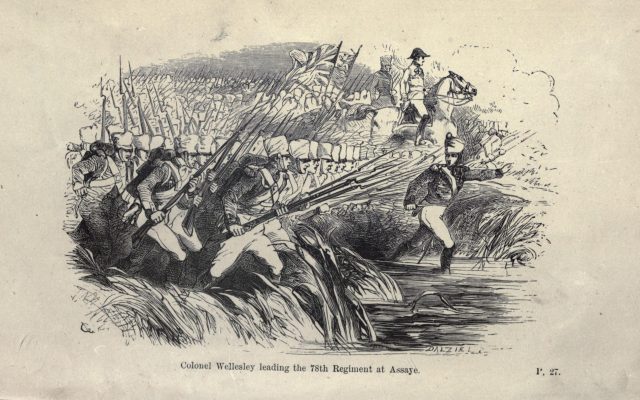
Three wars between 1775 and 1818 broke the Maratha confederacy and left the East India Company the dominant power in India.
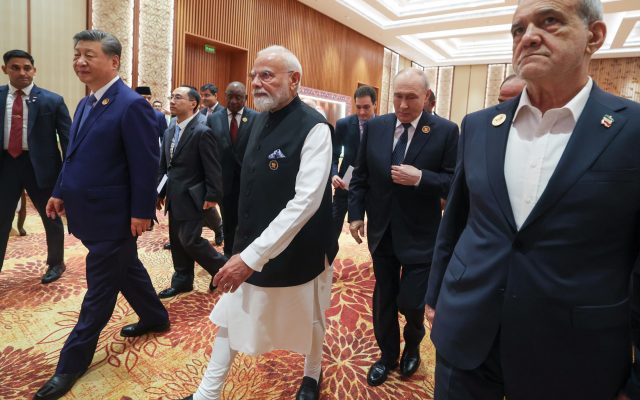
India hosted BRICS in September 2026 while negotiating with Washington. This explains strategic autonomy and why it causes friction.
Even as trade ties strained, India and the US kept defence cooperation going, with a 10-year framework and several big deals pending.
USCIRF's 2026 report urged the US to name India a Country of Particular Concern. India's foreign ministry rejected it as biased.
From USAID funding claims to the Adani and Pannun cases, here is what is documented about US-India friction and what remains disputed.