
The US Commission on International Religious Freedom, known as USCIRF, published its 2026 annual report in March and said religious freedom conditions in India worsened in 2025. It recommended that the State Department designate India a Country of Particular Concern, the category for governments that engage in or tolerate severe violations. It also recommended targeted sanctions against certain individuals and organisations, including India’s external intelligence agency, the Research and Analysis Wing, and the Rashtriya Swayamsevak Sangh. USCIRF is an independent, bipartisan body that advises the US government, and its recommendations are not binding on the State Department.
India rejected the report within days. On 16 March 2026, foreign ministry spokesperson Randhir Jaiswal said that USCIRF had persisted in presenting a distorted and selective picture of India, relying on questionable sources and ideological narratives rather than objective facts. The ministry called the body biased, and pointed instead to what it described as vandalism and attacks on Hindu temples in the United States and growing intolerance and intimidation of members of the Indian diaspora there. In an earlier response to similar reports, the ministry had suggested that USCIRF use its time to address human rights issues in the United States.
The argument in Delhi is partly about sovereignty. Indian officials hold that the country’s democratic institutions and courts protect minorities, and that a foreign body has no standing to grade them. Critics of the government and several civil society groups say the report documents real concerns, and that dismissing it does not answer them. This disagreement exists inside India as well as between the two governments, so it would be wrong to describe the findings as simply a foreign attack or simply neutral fact, and readers should weigh the evidence on each side for themselves.
What the report does and does not do should be clear. Previous USCIRF reports have recommended the same designation for India since 2020, and each time the State Department did not adopt it. A formal designation is a separate decision, and the current administration has put trade, defence and technology at the centre of its dealings with India. The sanctions recommendation against the RSS and R&AW is also only a recommendation. No US government action against either organisation has been reported as a result of the 2026 document, which leaves the practical effect so far limited.
The episode matters for the wider relationship because it shows how human rights questions persist even as other ties are repaired. For Washington, religious freedom reports are an established part of how it deals with many countries. For India, they are seen as intrusive. The likely pattern is a continued exchange of statements without a change in policy, unless the administration decides to act on the recommendations. Readers can compare the commission’s report with the foreign ministry statement, both of which are public, and judge the evidence for themselves rather than rely on either side’s summary.
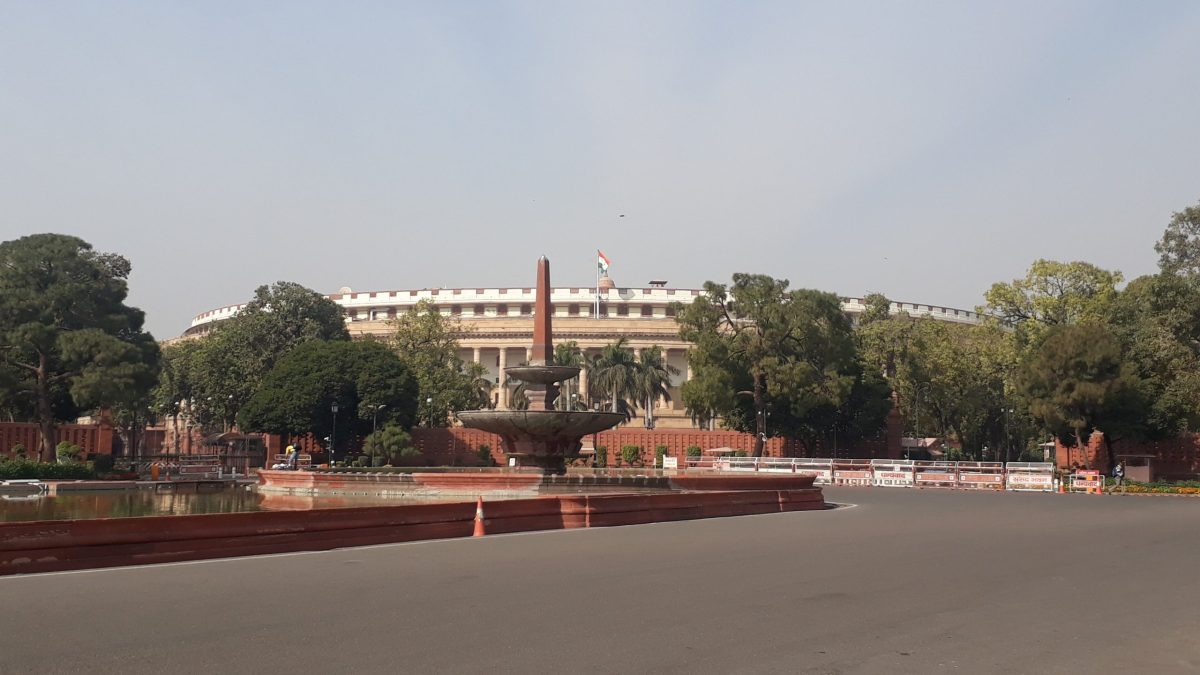
Featured image: The Parliament of India in New Delhi (file photo). Photo by Pinakpani, licensed under CC BY-SA 4.0, via Wikimedia Commons.




Leave a Reply