Krishnaswamy Kasturirangan (24 October 1940 – 25 April 2025) was an Indian space scientist who was chairman of the Indian Space Research Organisation (ISRO) from 1994 to 2003. Under him India’s PSLV rocket became operational, the GSLV made its first flight and the country’s first Moon mission was planned. He later served in the Rajya Sabha and the Planning Commission and chaired the committee that drafted the National Education Policy of 2020. He received the Padma Vibhushan in 2000.
Quick Facts
| Full name | Krishnaswamy Kasturirangan |
| Born | 24 October 1940, Ernakulam, Kingdom of Cochin (now Kerala), India |
| Died | 25 April 2025, Bengaluru, Karnataka (aged 84) |
| Field | Space science, astrophysics |
| Office | Chairman of ISRO (1994–2003) |
| Education | University of Bombay (B.Sc., M.Sc. Physics); Physical Research Laboratory, Ahmedabad (Ph.D. 1971) |
| Honours | Padma Shri (1982), Padma Bhushan (1992), Padma Vibhushan (2000) |
Early Life
Kasturirangan was born in Ernakulam into a Tamil family. His mother died when he was young, and he was brought up partly by his grandparents before joining his father in Bombay. He studied physics at the University of Bombay and did his doctorate in high-energy astronomy at the Physical Research Laboratory, the institute founded by Vikram Sarabhai.
Career
He joined ISRO in 1971. He was project director for Bhaskara-I and II, India’s first experimental Earth observation satellites, launched in 1979 and 1981, and then for IRS-1A, the first operational remote-sensing satellite, in 1988. He became director of the ISRO Satellite Centre in Bengaluru in 1990.
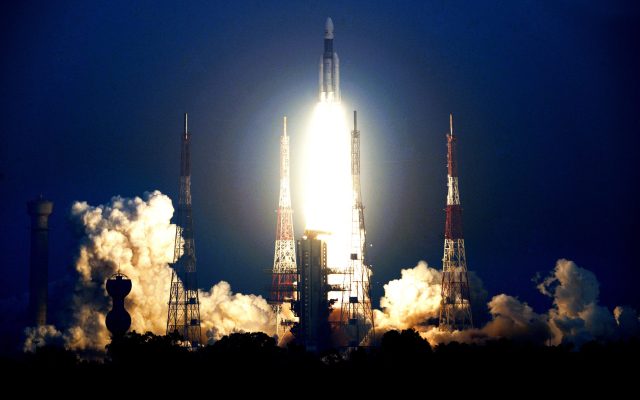
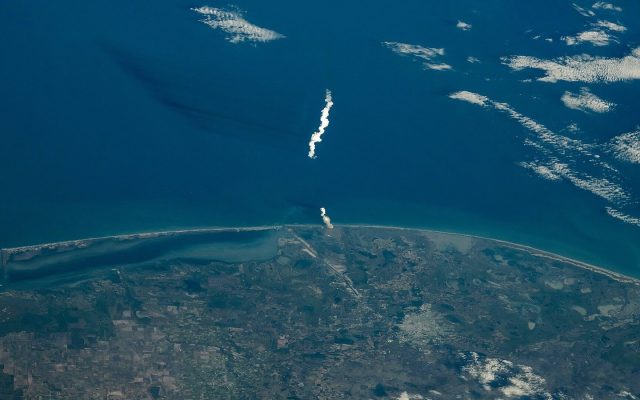
He took charge in March 1994. That October the Polar Satellite Launch Vehicle made its first successful flight, and it went on to become ISRO’s dependable workhorse. The Geosynchronous Satellite Launch Vehicle flew for the first time in April 2001. The INSAT-2 communication satellites and advanced IRS imaging satellites were built during his term, and he set up the study that led to Chandrayaan-1. He was succeeded by G. Madhavan Nair.
He was a nominated member of the Rajya Sabha from 2003 to 2009 and a member of the Planning Commission. In 2013 a panel he headed made recommendations on protecting the Western Ghats. From 2017 he chaired the committee that wrote the National Education Policy 2020, which restructured schooling into a 5+3+3+4 pattern and proposed four-year undergraduate degrees.
Death
He died at his home in Bengaluru on 25 April 2025 and was cremated with state honours.
Awards and Honours
Frequently Asked Questions
When and where was K. Kasturirangan born?
K. Kasturirangan was born on 24 October 1940 in Ernakulam, Kingdom of Cochin (now Kerala), India.
When did K. Kasturirangan die?
Died: 25 April 2025, Bengaluru, Karnataka (aged 84).
What honours has K. Kasturirangan received?
Padma Shri (1982), Padma Bhushan (1992), Padma Vibhushan (2000).
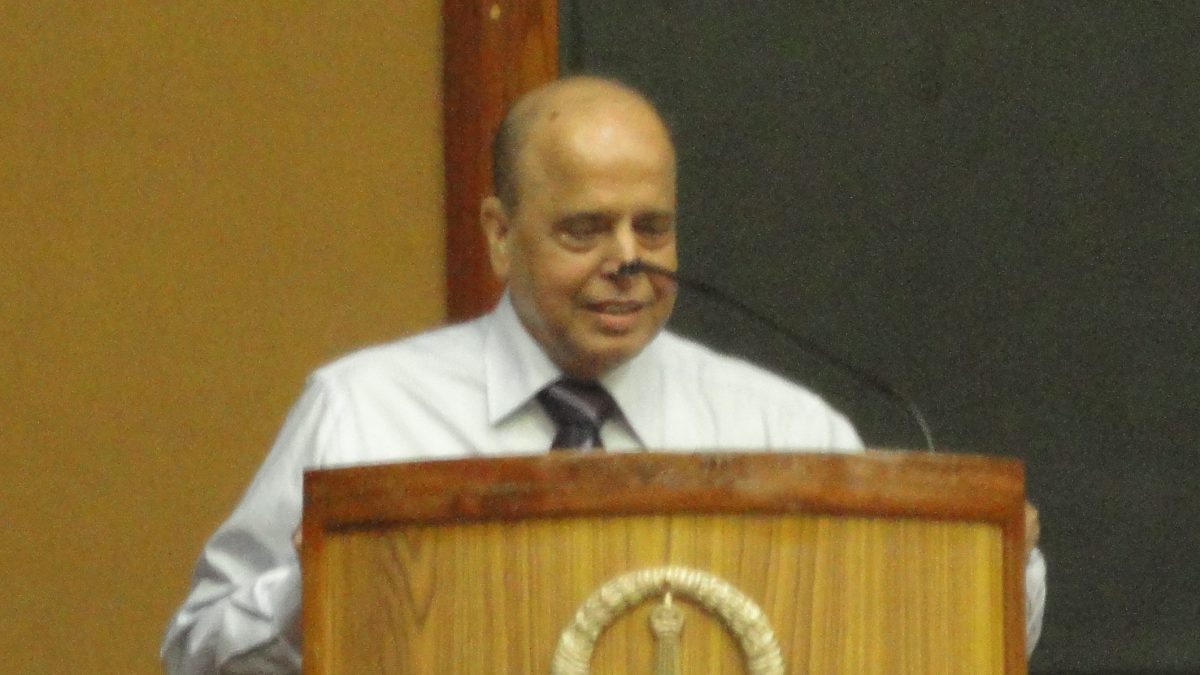
Featured image: K. Kasturirangan speaks at the Indian Institute of Science, Bengaluru, September 2010. Photo by MikeLynch, licensed under CC BY-SA 3.0, via Wikimedia Commons.