
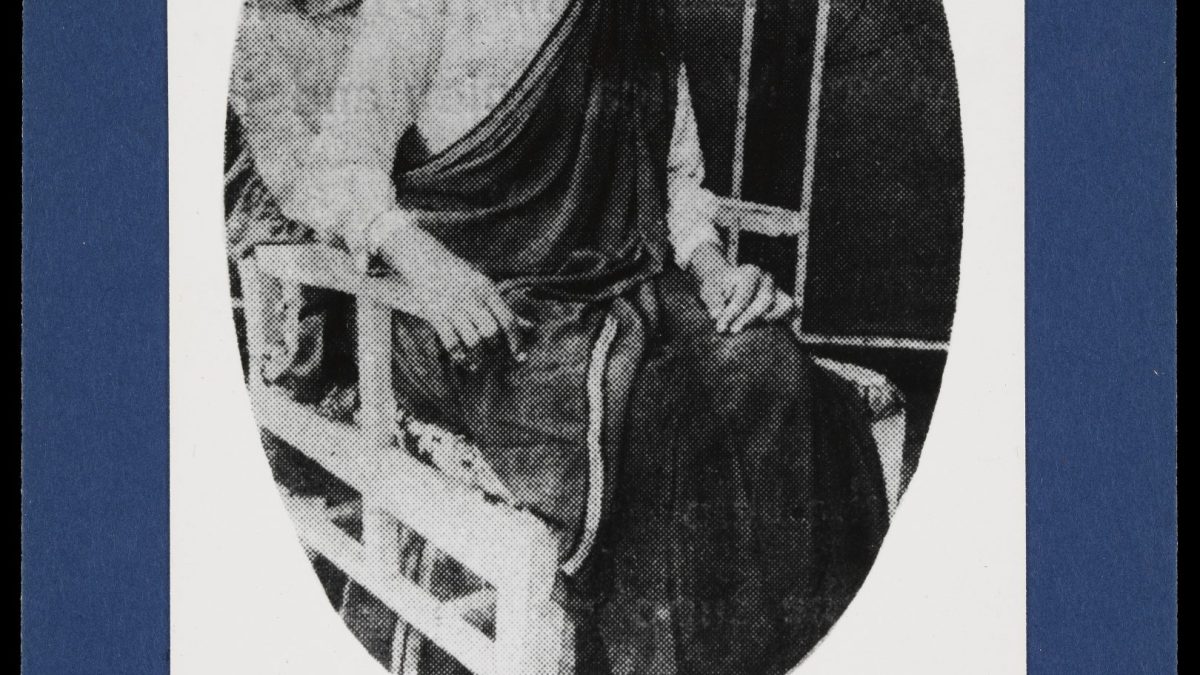
Rukhmabai (22 November 1864 – 25 September 1955) was an Indian physician and one of the first Indian women to practise medicine. She is equally remembered for a court case of the 1880s. Married at eleven, she refused as an adult to go and live with her husband and told the judge she would go to prison instead. The case stirred debate in India and Britain and helped bring about the Age of Consent Act of 1891.
Quick Facts
| Full name | Rukhmabai (also known as Rukhmabai Raut) |
| Born | 22 November 1864, Bombay (now Mumbai), India |
| Died | 25 September 1955 (aged 90), Bombay |
| Occupation | Physician |
| Known for | Dadaji Bhikaji v. Rukhmabai (1884–1888); pioneering woman doctor |
| Education | London School of Medicine for Women |
| Posts | Chief Medical Officer, women’s hospitals at Surat and Rajkot |
Early Life
Rukhmabai was born in Bombay. Her father died when she was a small child, and her mother, herself married at fourteen and widowed at seventeen, later married Sakharam Arjun, a distinguished physician and botanist. Their community permitted widows to remarry. At eleven Rukhmabai was married to Dadaji Bhikaji, a nineteen-year-old relative of her stepfather. As was customary, she continued to live in her parents’ home, and with her stepfather’s encouragement she educated herself from books borrowed from a missionary library.
The Case
Dadaji did not complete his studies and lived in a household she considered disreputable. When, in 1884, he demanded that she come to live with him, she refused. He sued for restitution of conjugal rights.
In 1885 Justice Robert Pinhey of the Bombay High Court ruled in her favour, holding that a young woman could not be compelled to consummate a marriage contracted in her infancy without her consent. Orthodox opinion was scandalised. The decision was reversed on appeal, and in March 1887 another judge ordered her to go to her husband or be imprisoned for six months. She replied that she would accept the imprisonment.
Meanwhile she had written two letters to The Times of India, signed “A Hindu Lady”, describing what child marriage and enforced widowhood did to girls: the end of schooling, early motherhood, lifelong dependence. They were reprinted in Britain. Reformers rallied to her, while others, including Bal Gangadhar Tilak, attacked the courts for interfering with Hindu custom. In 1888 the matter was settled out of court: Dadaji gave up his claim in return for a payment of two thousand rupees. The controversy fed directly into the law of 1891 that raised the age of consent for girls from ten to twelve.
Doctor
Supported by the Bombay doctor Edith Pechey and a fund raised by sympathisers, she went to England in 1889 and studied at the London School of Medicine for Women, qualifying in 1894. She returned to take charge of the women’s hospital at Surat, where she served for more than twenty years, through epidemics of plague during which she was commended for her work. From 1918 she headed the women’s hospital at Rajkot until her retirement about 1930. In all she practised for some thirty-five years.
Later Life and Legacy
She never married again. After retiring to Bombay she continued to write and speak for reform, publishing a pamphlet against the seclusion of women in 1929. She died on 25 September 1955 at the age of ninety. Long overlooked, she is now seen as a founder of Indian feminism, the first woman to assert before a court her right to decide whether she would live as a wife.
Frequently Asked Questions
When and where was Rukhmabai born?
Rukhmabai was born on 22 November 1864 in Bombay (now Mumbai), India.
When did Rukhmabai die?
Died: 25 September 1955 (aged 90), Bombay.
What is Rukhmabai known for?
Known for: Dadaji Bhikaji v. Rukhmabai (1884–1888); pioneering woman doctor.
Featured image: Dr Rukhmabai, from the Wellcome Collection. Photo by Wellcome Collection, licensed under CC BY 4.0, via Wikimedia Commons.



