
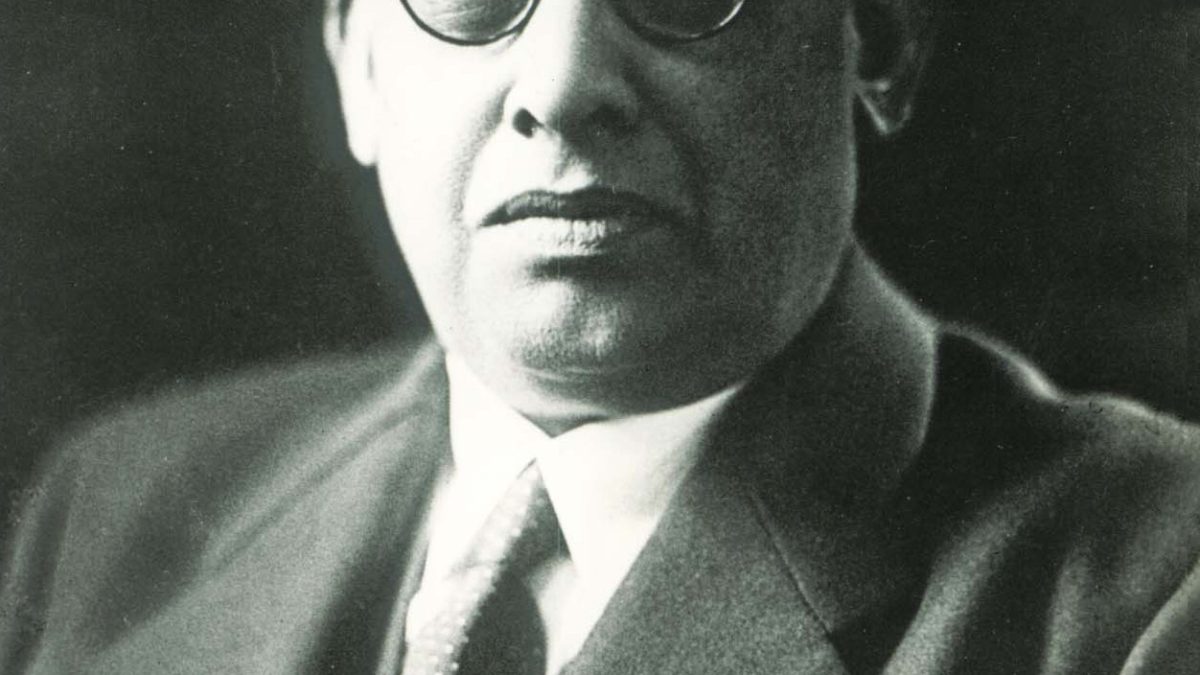
Rash Behari Bose (25 May 1886 – 21 January 1945) was an Indian revolutionary who organised the attempt on the life of the Viceroy, Lord Hardinge, in 1912 and the abortive army mutiny of 1915, and then spent thirty years in exile in Japan. There he built the Indian Independence League and, during the Second World War, the first Indian National Army, which he handed over to Subhas Chandra Bose in 1943. He is also remembered in Japan for introducing Indian-style curry to Tokyo.
Quick Facts
| Full name | Rash Behari Bose |
| Born | 25 May 1886, Subaldaha, Bardhaman district, Bengal |
| Died | 21 January 1945 (aged 58), Tokyo, Japan |
| Known for | Delhi conspiracy (1912); Ghadar mutiny plan (1915); Indian Independence League |
| Spouse | Toshiko Soma (m. 1918; d. 1925) |
| Children | 2 |
| Honours | Order of the Rising Sun, Japan |
Early Life
Bose was born in a village in Bardhaman and grew up partly in Chandannagar, then a French possession, where his father worked. He was drawn to revolutionary ideas as a schoolboy. He found work at the Forest Research Institute in Dehradun, rising to head clerk, a respectable position that hid his real activity as the link between the secret societies of Bengal and those of Punjab and the United Provinces.
Revolutionary Career
On 23 December 1912 Lord Hardinge entered Delhi on an elephant to mark the transfer of the capital from Calcutta. A bomb thrown into the howdah in Chandni Chowk wounded him and killed an attendant. Bose had planned the attack. He returned to Dehradun and even helped organise a meeting condemning it. The conspiracy was uncovered in 1914 and several of his associates were hanged, but he was never caught.
With the outbreak of war, thousands of Ghadar Party members returned from North America to raise a revolt. Bose took charge of the plan from Lahore and Banaras. Indian regiments from Punjab to Singapore were to mutiny on 21 February 1915. An informer betrayed the date, the regiments were disarmed, and scores of men were executed. Bose escaped.
In June 1915 he reached Japan, travelling under the name of a relative of Rabindranath Tagore. Britain demanded his extradition. The nationalist leader Mitsuru Toyama arranged for him to be hidden by the Soma family, owners of the Nakamuraya bakery in Shinjuku, and he moved between hiding places for years. In 1918 he married the family’s daughter, Toshiko, and he became a Japanese citizen in 1923. The curry he taught Nakamuraya to make, put on its menu in 1927, is still sold there.
He wrote and lectured in Japanese on India’s cause and founded a branch of the Indian Independence League. After Japan’s victories in South-East Asia he convened conferences in Tokyo and Bangkok in 1942 that united Indian organisations across the region under his presidency and placed under the League the Indian National Army, first raised from prisoners of war by Captain Mohan Singh. Disputes with the Japanese and among the officers nearly destroyed it. Ageing and ill, Bose invited Subhas Chandra Bose to take over, and at a ceremony in Singapore in July 1943 formally handed him the leadership.
Death and Legacy
He died in Tokyo on 21 January 1945, months before the end of the war. The Japanese government awarded him the Order of the Rising Sun. His son had been killed serving in the Japanese army; his daughter lived on in Japan. India issued a postage stamp in his honour in 1967.
Frequently Asked Questions
When and where was Rash Behari Bose born?
Rash Behari Bose was born on 25 May 1886 in Subaldaha, Bardhaman district, Bengal.
When did Rash Behari Bose die?
Died: 21 January 1945 (aged 58), Tokyo, Japan.
What is Rash Behari Bose known for?
Known for: Delhi conspiracy (1912); Ghadar mutiny plan (1915); Indian Independence League.
What honours has Rash Behari Bose received?
Order of the Rising Sun, Japan.
Featured image: Rash Behari Bose in Japan, before 1945. Photo by an unknown photographer, in the public domain, via Wikimedia Commons.



