
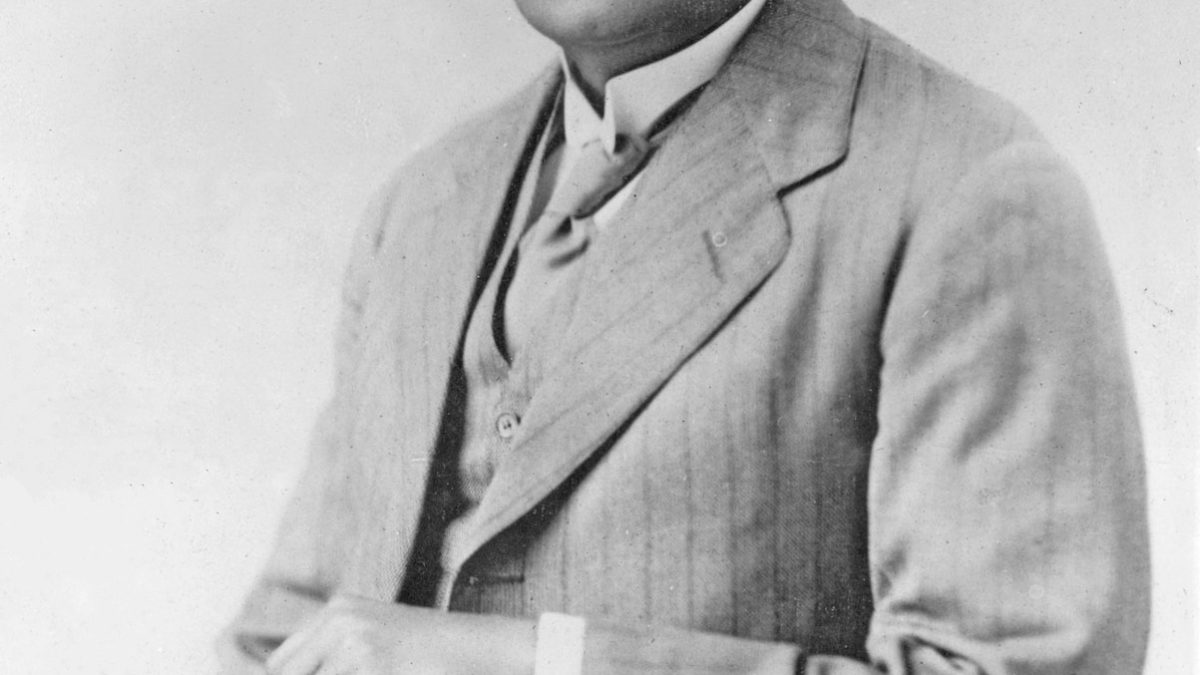
Motilal Nehru (6 May 1861 – 6 February 1931) was an Indian lawyer and nationalist leader. One of the most successful advocates of the Allahabad High Court, he gave up a princely income and way of life to join the freedom movement, was president of the Indian National Congress in 1919 and 1928, founded the Swaraj Party with C. R. Das and led the committee that produced the Nehru Report, the first constitution for India drafted by Indians. He was the father of Jawaharlal Nehru.
Quick Facts
| Full name | Motilal Nehru |
| Born | 6 May 1861, Agra, Uttar Pradesh, India |
| Died | 6 February 1931 (aged 69), Lucknow |
| Occupation | Lawyer, politician |
| Offices | President, Indian National Congress (1919, 1928); Leader of the Opposition, Central Legislative Assembly |
| Known for | Swaraj Party; Nehru Report (1928) |
| Education | Muir Central College, Allahabad |
| Spouse | Swarup Rani Nehru |
| Children | Jawaharlal Nehru, Vijaya Lakshmi Pandit, Krishna Hutheesing |
Early Life
Motilal was born in Agra three months after the death of his father, a police officer in Delhi whose Kashmiri Pandit family had fled the city during the upheaval of 1857. He was brought up by his elder brother, Nandlal, a lawyer, first in the princely state of Khetri and then at Agra and Allahabad. He studied at Muir Central College but did not take his degree. In 1883 he passed the lawyers’ examination at the head of the list.
Lawyer
He began practice at Kanpur and moved in 1886 to Allahabad, seat of the High Court. His brother died the following year, leaving him at twenty-five the support of a large joint family. He specialised in civil cases, especially disputes over the estates of great landed families, and became one of the highest-paid lawyers in the country. In 1900 he bought a large house in Allahabad, named it Anand Bhavan, furnished it in the European style and sent his son to Harrow and Cambridge.
Politics
He attended Congress sessions from the 1880s as a moderate who believed in constitutional methods. The massacre at Jallianwala Bagh in 1919 changed him. He served on the Congress committee that investigated the events in Punjab, started a newspaper, The Independent, to voice the nationalist case, and presided over the Congress at Amritsar that December. When Mahatma Gandhi launched the Non-Cooperation Movement he gave up his practice, his foreign clothes and his wine cellar, and in December 1921 he and his son were sent to prison together.
After the movement was suspended he argued that nationalists should enter the legislatures and obstruct the government from within. With Chittaranjan Das he founded the Swaraj Party in 1923. It won a large block of seats, and as leader of the opposition in the Central Legislative Assembly he showed great skill in debate, repeatedly defeating the government on budgets and repressive measures.
In 1928, in answer to a British challenge that Indians could not agree on a constitution, an all-parties conference appointed a committee under his chairmanship. Its report proposed dominion status, a federal structure, a list of fundamental rights, adult suffrage and joint electorates with seats reserved for minorities. Younger leaders, including his son, wanted complete independence, and Muslim leaders objected to the electoral proposals, but many of its ideas reappeared in the Constitution of 1950. He presided over the Calcutta Congress that year.
In 1930 he gave the old Anand Bhavan to the nation as Swaraj Bhavan. He was arrested during the Civil Disobedience Movement and released when his health failed. He died in Lucknow on 6 February 1931.
Family
His wife was Swarup Rani. His daughter Vijaya Lakshmi Pandit became a diplomat, his daughter Krishna Hutheesing a writer, and his granddaughter Indira Gandhi Prime Minister.
Frequently Asked Questions
When and where was Motilal Nehru born?
Motilal Nehru was born on 6 May 1861 in Agra, Uttar Pradesh, India.
When did Motilal Nehru die?
Died: 6 February 1931 (aged 69), Lucknow.
What is Motilal Nehru known for?
Known for: Swaraj Party; Nehru Report (1928).
Featured image: Motilal Nehru, about 1920. Photo by an unknown photographer, in the public domain, via Wikimedia Commons.



