
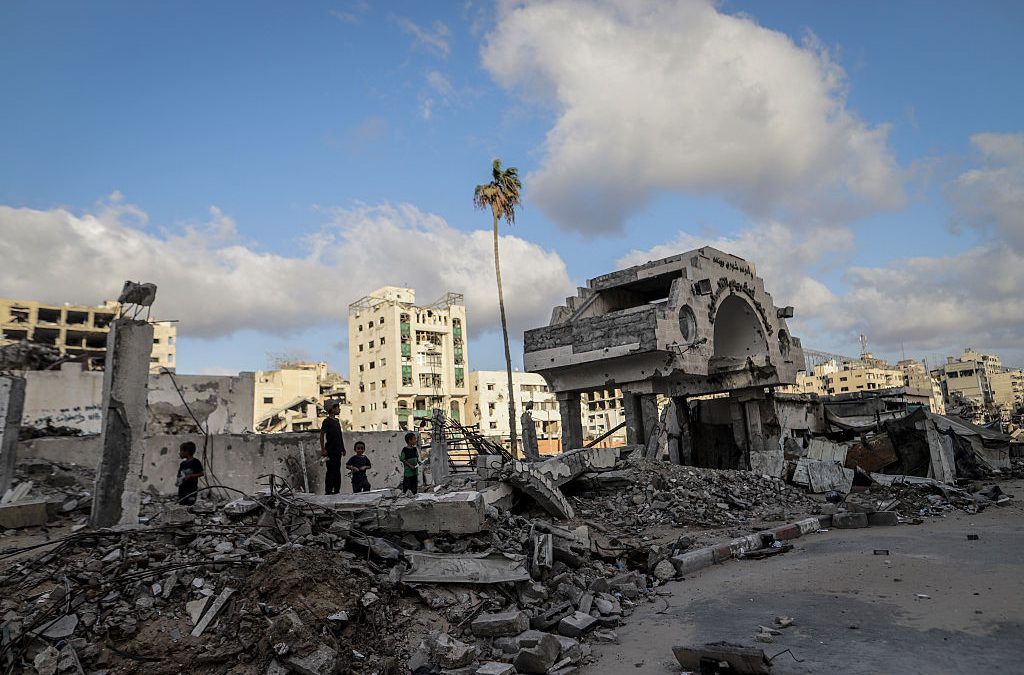
The Ministry of External Affairs said on Wednesday 28 October that 22 Indians have been killed in the West Asia war since February, 14 of them seafarers, with three of the deaths in Saudi Arabia, according to reports of the briefing by spokesperson Randhir Jaiswal, including one by ANI. He said the government is "deeply concerned about the ongoing conflict in West Asia" and in close contact with the Indian community in the region. The conflict began on 28 February, when the United States and Israel attacked Iran, and Iran retaliated against US bases in the Gulf and restricted traffic through the Strait of Hormuz. An interim US-Iran agreement on 15 June reopened the strait, but fighting resumed on 9 July with fresh US strikes, and this month Yemen's Houthis have attacked Saudi Arabia several times, including a strike on Riyadh's international airport.
The argument that the toll is a serious concern for India starts with the number of lives and the people behind it. Fourteen of the 22 dead were seafarers, and vessels carrying Indian crews have been attacked since the war began, according to the report, with many of the sailors who died serving on foreign-flagged ships, where their protections can be weaker. The three deaths in Saudi Arabia show that the danger has spread from shipping lanes to cities where large numbers of Indians live and work. India has a long relationship with the Gulf, from the construction and service workers who send money home to the professionals who run businesses, so each escalation puts families in India on edge. Brent crude, which the US Energy Information Administration put at $123.10 on 27 October against $71.32 in late February, also shows how the conflict raises costs at home, from fuel to food.
The counterargument is that the government has responded steadily and that the toll, though painful, has to be viewed alongside the size of the Indian presence in the region and the length of the conflict. Twenty-two deaths over about eight months is a heavy loss for each family, but it is a small fraction of the large Indian community living and working across the region, and the ministry says it is in close contact with that community. The ministry's public statements stress that the government is following developments and staying in touch with the community, which is the kind of steady contact that families abroad look for in a crisis. The report does not describe evacuation operations or advisories, and it does not give figures on how many Indians remain in affected areas, so the public cannot easily judge whether the response is adequate. The fact that most of the dead were on foreign-flagged ships also raises a question of whether Indian authorities can do more to regulate recruitment and protect crews.
The conflict matters to India in several ways. Millions of families depend on remittances and on jobs in the Gulf, India buys much of its oil from the region and through sea lanes close to the fighting, and the war has helped to push prices higher and the rupee lower, to about 94.94 per dollar on 23 October. A wider conflict would raise the risk for seafarers and civilians alike and could force evacuations on a large scale. In Europe, gas prices crossed €100 per megawatt hour this week, a sign of how far the conflict's effects reach.
The attacks on Saudi Arabia are particularly worrying for families because Saudi Arabia hosts a very large number of Indian workers. The government's statement shows that the war's human cost to India is real and growing. Clear information on safety measures, evacuation plans and support for the families of the dead is what the public now expects.



Leave a Reply