
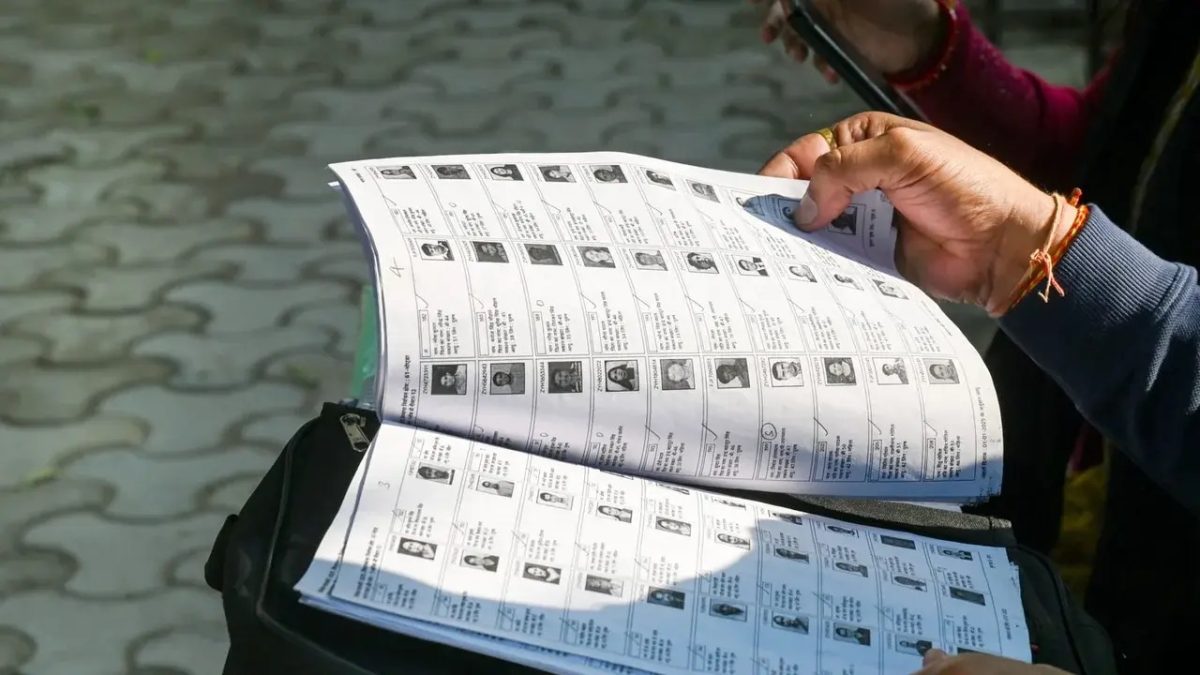
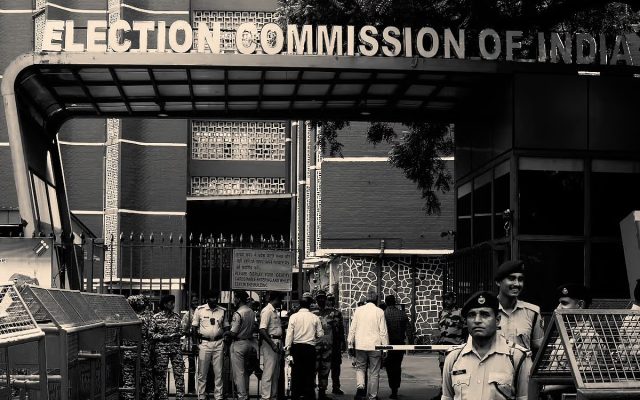
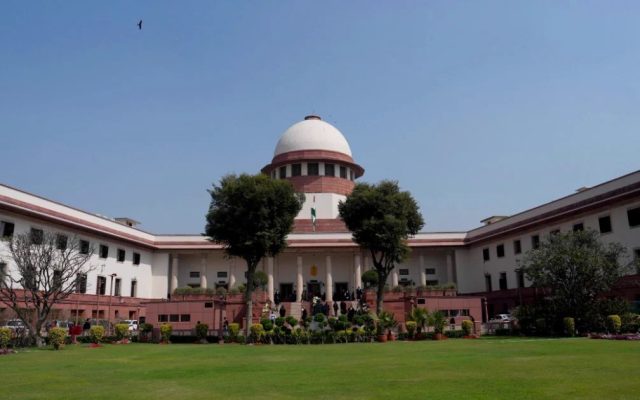
The Election Commission's Special Intensive Revision of the electoral rolls, known as SIR, has removed more than 130 million names from India's voter lists, according to reports on the protests it has triggered. Opposition parties, student groups and the youth-led Cockroach Janta Party have been demanding the resignation of Chief Election Commissioner Gyanesh Kumar, and the opposition marched to the Supreme Court on 12 October over what it calls "vote theft." The commission denies wrongdoing and says the exercise removes duplicate, dead and ineligible entries. A Hindustan Times survey of state election officers, reported by Scroll this week, found about 1,640 people identified as foreign nationals in six states, a figure that has become central to the argument.
The case for the revision begins with the idea that a clean list is the foundation of a fair election. The commission says the deleted names were duplicate, deceased or fraudulent entries, and it argues that rolls that had not been fully checked for years carried a large number of such records. The Supreme Court upheld the legality of the exercise in its Bihar judgment on 27 May. Officials in several states have also found people who should not be on the rolls: Karnataka flagged 716 foreign nationals for removal, including 545 Nepalese in Bengaluru North, Kerala about 500, and Goa 419 foreign passport holders, according to the survey. The BJP says large numbers of undocumented migrants have entered the rolls, and supporters of the revision can argue that even a small number of ineligible voters undermines trust in the system and that removing them is a duty of the commission. The commission also says that people wrongly removed can seek restoration, and in Delhi it reported that 31.2 lakh of the voters who received notices, over 94 percent, had been cleared for the final roll, which is due to be published on 4 December.
The counterargument is that the scale of deletions bears little relation to the number of foreigners found. The six states in the survey have about 9.86 crore electors, and the 1,640 foreign nationals identified make up only about 0.02 percent of them, while the same states deleted roughly 15.5 million names by my addition of the figures in the report. Only six of the 26 states and union territories queried supplied numbers, four said they did not keep such data, and the Election Commission said it has never asked states to collect it, so the count cannot show how many foreigners were on the rolls at all. The Supreme Court has also said the commission cannot decide whether a person is an Indian citizen. In Delhi, 33.1 lakh of 97.5 lakh voters on the draft roll received notices, and 19.3 lakh were flagged for "logical discrepancies" such as spelling differences in parents' names, a category the court has allowed only as an interim arrangement. Critics add that some states have cited the revision in denying ration cards or passport renewals to people removed from the lists.
Jharkhand's draft roll, for instance, shows more than 43.6 lakh deletions against three foreigners identified, all from Afghanistan, while Meghalaya found two men of Nepalese origin who were married to Indian women. The dispute matters because the voter list is the basis of every election. If voters believe that genuine names are being removed, trust in results will suffer, whatever the commission intends. If the list contains ineligible entries, the same trust is damaged from the other side. The outcome will affect the next round of state elections and the role of the Supreme Court in reviewing the commission's powers. The government and the opposition are using the numbers in very different ways, and the commission is under pressure to publish clear, state-by-state figures on how many names were removed, why, and how many were later restored on appeal.
The revision is meant to clean the rolls, but the gap between 130 million deletions and 1,640 identified foreigners has become the core of the political fight. Clear data on who was removed and why is the only way to settle it.

Leave a Reply