
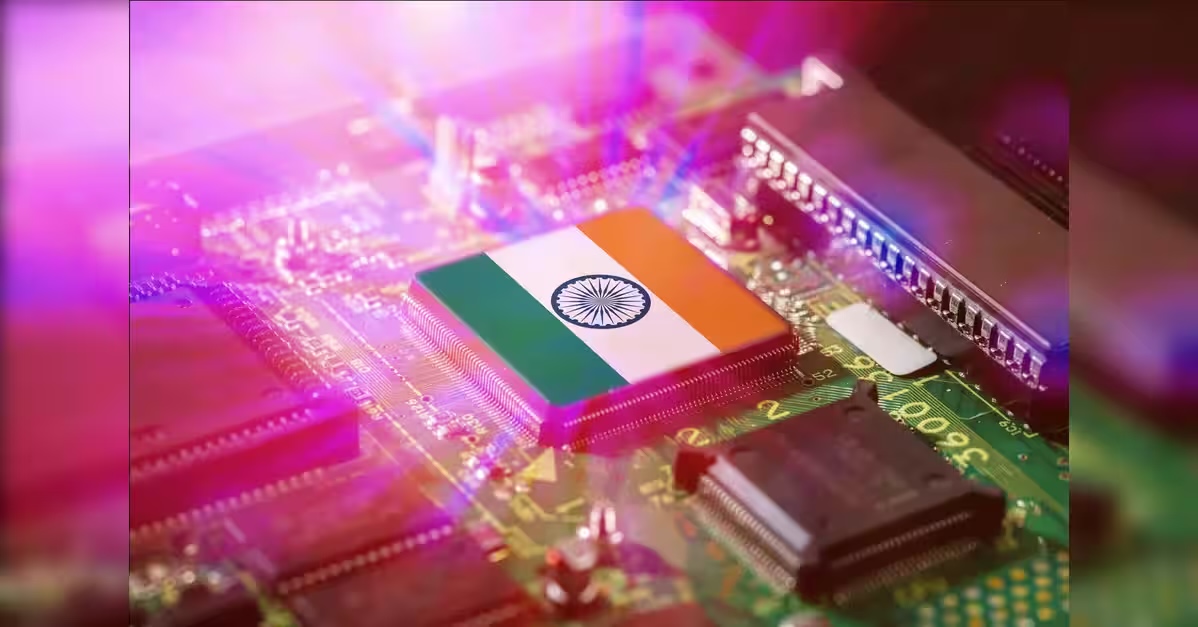
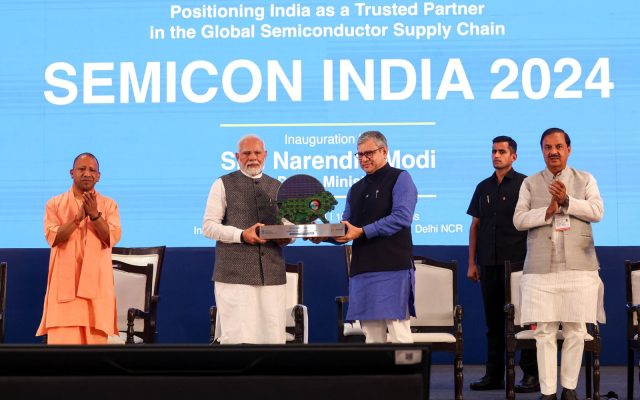
At SEMICON India 2026, held in New Delhi from 17 to 19 September, Prime Minister Narendra Modi launched the second phase of the India Semiconductor Mission and told global chip leaders that the world needs new and trusted locations for chip manufacturing, and that India is preparing itself for the role. The programme's budget has grown from 8 billion dollars in the first phase to 13.5 billion dollars in the second, a figure that reports also give as Rs 1.27 lakh crore. The new phase is reported to lean towards memory chips. Six weeks later, the question is whether India is making chips or only finishing them.
The argument in favour is that the mission has moved from announcements to buildings. Micron's Sanand facility in Gujarat, a project of about Rs 22,500 crore, is described as India's first semiconductor assembly and test facility, and it has opened. Tata Electronics' Dholera fab, built with Taiwan's PSMC, is the first plant planned to fabricate silicon wafers on Indian soil, and the company has said construction of Dholera and the Jagiroad packaging facility is on track. One report counts 12 semiconductor projects approved across six states. Supporters say a steady subsidy, a clear pipeline and customers who want to reduce dependence on a few countries give India a real opening. They add that every packaging plant trains engineers and builds a local supplier base of gases, chemicals and equipment, which a future fab will need, so the first phase was a necessary step and not a detour.
The argument against is that the headline numbers hide how early the industry is. The Micron plant does not make chips from scratch: it converts wafers made in Micron's overseas factories into finished memory and storage products, so it adds assembly rather than fabrication. Tata's Dholera fab is aimed at mature process nodes such as 28 nanometres, not the frontier chips used in the latest phones and AI servers. Fabs also need a large supply of water, power, chemicals and trained engineers, areas where India has little experience. A bigger budget does not remove those constraints, and some press coverage overstates what has been achieved, describing Micron as making memory chips in India.
The outcome matters for the economy and for security. India imports most of the chips used in its phones, cars and servers, and an assembly plant reduces the cost and delay of finishing them at home, while a working fab would give the country a stake in the most strategic part of the supply chain. A turn towards memory chips matters because AI and data centres are driving demand for them. If the mission stalls, the money will have built buildings without building an industry. The government has said the aim is to become a trusted alternative supplier, and trust in this business is earned through years of reliable output, which is why the first wafers from Dholera will be watched so closely by customers abroad.
Chip Mission 2.0 is a serious step, but not a finished one, and the larger budget raises the standard against which it will be judged. The real test will come when the Dholera fab ships its first wafers and when India can show that it makes chips, instead of only packaging chips made elsewhere.


Leave a Reply