
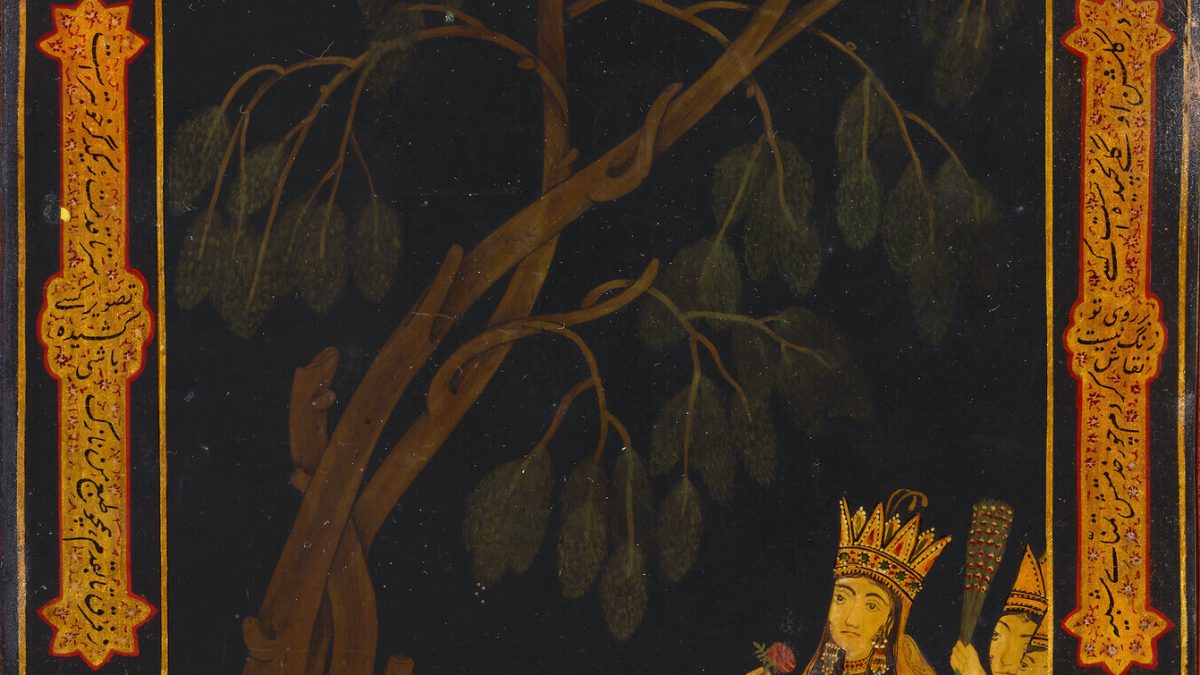
Razia Sultan (reigned 1236–1240), whose full title was Raziyyat ud-Dunya wa ud-Din, was the fifth ruler of the Delhi Sultanate and the only woman ever to occupy the throne of Delhi. Chosen by her father, the Sultan Iltutmish, in preference to his sons, she ruled ably for three and a half years before the Turkish nobility overthrew her. She was killed in 1240.
Quick Facts
| Full title | Raziyyat ud-Dunya wa ud-Din |
| Born | about 1205 |
| Died | October 1240, near Kaithal, Haryana |
| Dynasty | Mamluk (Slave) dynasty |
| Reign | 1236–1240 |
| Capital | Delhi |
| Father | Shams ud-Din Iltutmish |
| Known for | The only woman to rule the Delhi Sultanate |
| Spouse | Malik Altunia |
Background
Her father, Iltutmish, had been sold as a slave in his youth, rose in the service of Qutb ud-Din Aibak, married his master’s daughter, and in 1211 became Sultan of Delhi. He was the real founder of the Sultanate, the builder of much of the Qutb Minar. Razia was his daughter by his chief queen.
The Chosen Heir
Iltutmish’s eldest son, a capable man, died young. He thought little of his other sons. When he went on campaign to Gwalior in 1231 he left Razia in charge of Delhi, and she governed so well that on his return he had a decree drawn up naming her his successor. To nobles who protested he replied that his sons were given over to pleasure and that she was better than twenty of them.
Accession
When he died in April 1236 the nobles ignored his wish and enthroned a son, Rukn ud-Din Firuz. He abandoned himself to enjoyment, and power passed to his mother, a former slave, whose cruelties provoked revolts in the provinces.
Razia turned to the people of the city. She appeared at the Friday prayer in the red garments worn by those seeking justice, reminded the congregation of her father and asked for a chance to prove herself. The crowd stormed the palace. Firuz was deposed and put to death, and she became ruler in November 1236.
The Reign
She took the title Sultan, since “Sultana” meant only a sultan’s wife. She soon gave up the veil and the seclusion expected of women, wore the coat and cap of a man, held open court, rode an elephant through the streets and led her army in person.
She was an effective ruler. She broke a combination of rebel governors by playing them against each other, restored order, and appointed officers of her own choosing. The chronicler Minhaj-i-Siraj, who knew her, wrote that she had every quality needed in a king, wisdom, justice, generosity and courage, but that fate had not made her a man, and so these virtues were of no use to her.
The Nobles
Power in the Sultanate lay with the Turkish slave-officers of her father, later called the Forty, who regarded the throne as theirs to give. They resented a woman’s rule, and resented more her attempts to raise others as a counterweight. She made an Abyssinian, Jamal ud-Din Yaqut, superintendent of the royal stables, a post that had been a Turkish preserve. Later writers hinted at a romance between them; the contemporary chronicler mentions only her favour.
The Fall
In 1240 the governor of Bathinda, Malik Altunia, rebelled. She marched against him in the heat of April. Her Turkish officers mutinied on the way, killed Yaqut and handed her to Altunia as a prisoner. In Delhi they set her half-brother Bahram on the throne.
Altunia, who got nothing from the new regime, released Razia and married her. Together they raised an army and marched on Delhi. They were defeated in October 1240, their troops deserted, and they were killed, by some accounts by robbers, near Kaithal.
Legacy
A modest grave in a lane of Old Delhi is shown as hers, though other places claim it. Her story has been retold in novels, plays and a film of 1983. She is remembered as proof of what a woman of ability could do, and of the limits her age placed upon it.
Featured image: Razia Sultan, imagined in a painting of about 1830. Photo by an unknown artist, in the public domain, via Wikimedia Commons.



