
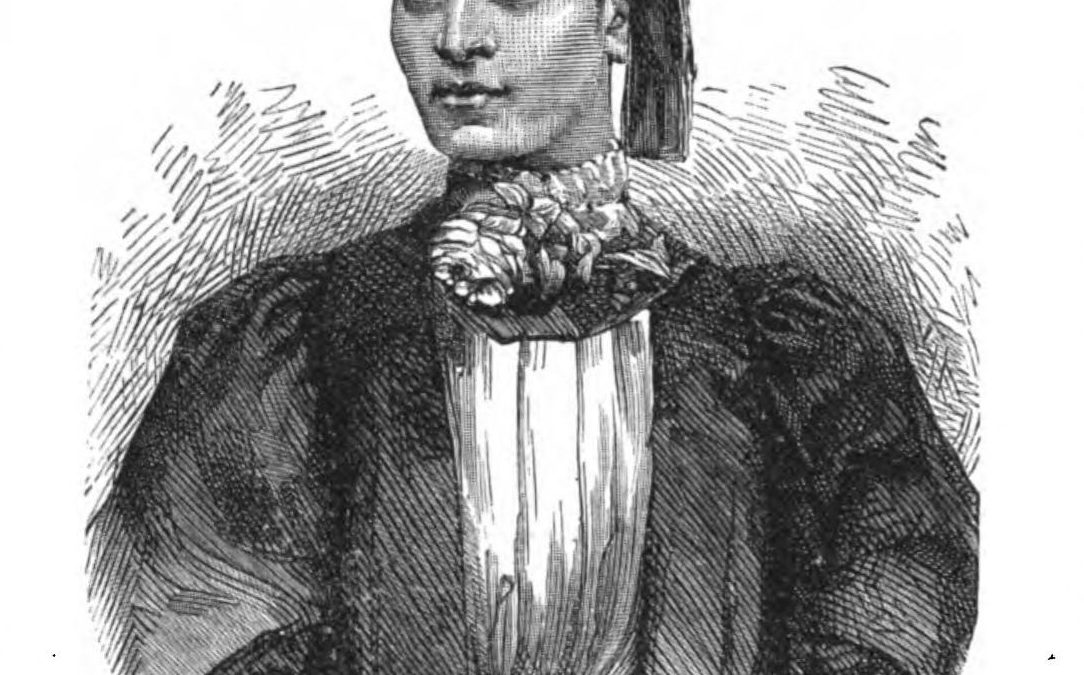
Cornelia Sorabji (15 November 1866 – 6 July 1954) was an Indian lawyer, social reformer and writer. She was the first woman to graduate from Bombay University, the first woman to sit the Bachelor of Civil Law examination at Oxford and the first woman to practise law in India. For two decades she acted as legal adviser to women living in seclusion, who under the law of the time owned property but could not speak to a male lawyer to defend it.
Quick Facts
| Full name | Cornelia Sorabji |
| Born | 15 November 1866, Nashik, Bombay Presidency, India |
| Died | 6 July 1954 (aged 87), London, England |
| Occupation | Lawyer, social reformer, writer |
| Known for | First woman to practise law in India |
| Education | Deccan College, Pune; Somerville College, Oxford |
| Honours | Kaisar-i-Hind Gold Medal (1909) |
Early Life
Sorabji was one of nine children of Sorabji Karsedji, a Parsi who had become a Christian missionary, and Francina Ford, who founded several girls’ schools in Pune. She was the first girl admitted to Deccan College and in 1887 took a first-class degree, heading the list in the university. That result should have brought her a government scholarship to study in England, but it was refused because she was a woman. She taught English at a men’s college in Ahmedabad while friends in England, among them Florence Nightingale, raised a fund for her.
Oxford
She entered Somerville College in 1889. By a special decree of the university she was allowed to sit the examination for the Bachelor of Civil Law in 1892, the first woman to do so, though Oxford did not grant degrees to women until 1920, and she received hers thirty years late.
Legal Work
She returned to India in 1894. Neither the degree nor further examinations in Bombay and Allahabad won her the right to plead as a barrister. She turned to a group nobody else could help: purdahnashins, widows and heiresses of landed families who lived secluded from men outside the family. Many held large estates and were cheated by relatives and agents because they could not consult a lawyer or appear in court.
After years of petitioning, in 1904 the government appointed her Lady Assistant to the Court of Wards in Bengal, and her charge was later extended to Bihar, Orissa and Assam. Travelling by train, boat, elephant and palanquin, she is estimated to have helped some six hundred women and children, settling disputes over inheritance and maintenance and arranging schooling and medical care.
The law barring women from the legal profession was changed in Britain in 1919 and in India in 1923. Sorabji was called to the bar by Lincoln’s Inn and enrolled as an advocate of the Calcutta High Court in 1924. By then she was nearly sixty, and prejudice largely confined her to preparing opinions. She retired in 1929 and settled in London.
Views
Sorabji was a reformer in practice and a conservative in politics. She opposed child marriage and the ill-treatment of widows but believed in slow change and supported British rule. Her criticism of Mahatma Gandhi‘s campaigns and her defence of Katherine Mayo’s book Mother India cost her much goodwill in India, and for decades she was half-forgotten there.
Writing and Legacy
She wrote short stories and memoirs drawn from her work, including Love and Life Behind the Purdah (1901), India Calling (1934) and India Recalled (1936). A bust of her was unveiled at Lincoln’s Inn in 2012, and she is now recognised as the pioneer who opened the legal profession to Indian women.
Frequently Asked Questions
When and where was Cornelia Sorabji born?
Cornelia Sorabji was born on 15 November 1866 in Nashik, Bombay Presidency, India.
When did Cornelia Sorabji die?
Died: 6 July 1954 (aged 87), London, England.
What is Cornelia Sorabji known for?
Known for: First woman to practise law in India.
What honours has Cornelia Sorabji received?
Kaisar-i-Hind Gold Medal (1909).
Featured image: Cornelia Sorabji in academic dress, engraving of 1889. Photo by an unknown artist, in the public domain, via Wikimedia Commons.



