
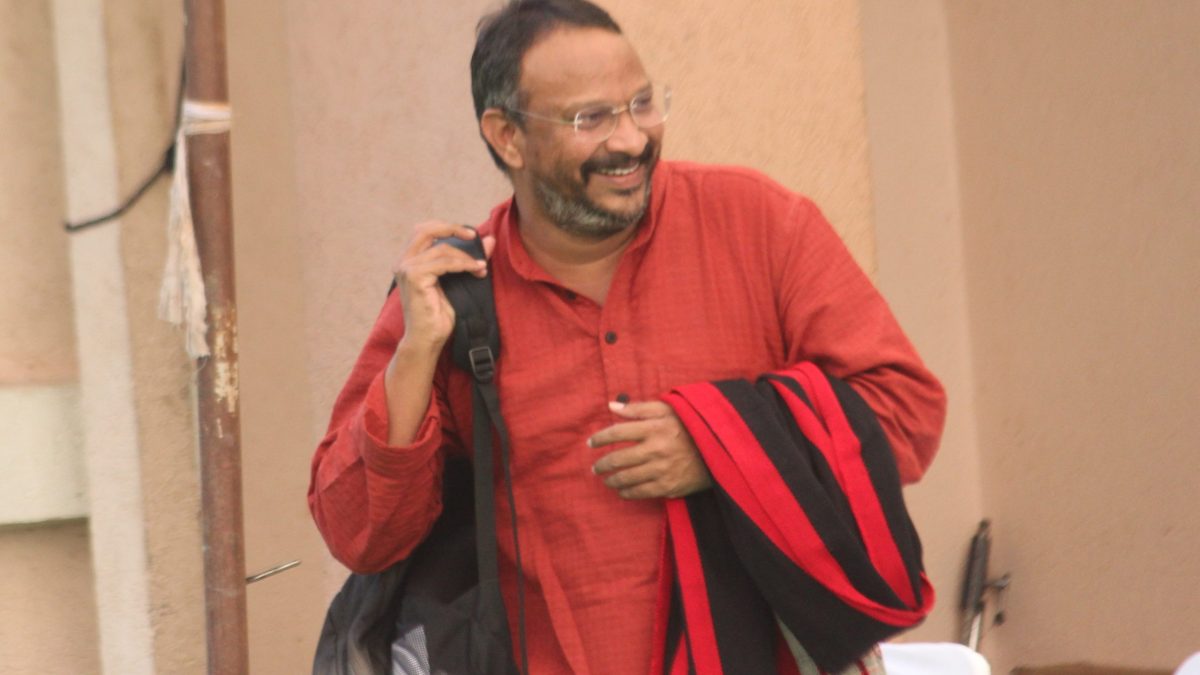
Bezwada Wilson (born 1966) is an Indian activist and the national convenor of the Safai Karmachari Andolan (SKA), a movement to end manual scavenging: the cleaning of human waste from dry latrines, sewers and septic tanks by hand, work forced almost entirely on Dalits. Born into a family that did this work, he has campaigned against it since the 1980s. He received the Ramon Magsaysay Award in 2016.
Quick Facts
| Full name | Bezwada Wilson |
| Born | 1966, Kolar Gold Fields, Karnataka, India |
| Occupation | Activist |
| Organisation | Safai Karmachari Andolan (co-founded 1994) |
| Education | Dr. B. R. Ambedkar Open University, Hyderabad (political science) |
| Honour | Ramon Magsaysay Award (2016) |
| Known for | Campaign to end manual scavenging |
Early Life
Wilson was born in the mining township of Kolar Gold Fields to a Dalit Christian family from Andhra Pradesh. His father and elder brother worked as manual scavengers, cleaning the dry latrines of the township, but his parents hid this from him and sent him to school in Andhra Pradesh. He was taunted by classmates for his caste. At about eighteen he went to see the work for himself and was so shaken that he considered suicide. He decided instead to fight the practice.
Activism
He began by writing letters and complaints to the mine’s management and to the Prime Minister, enclosing photographs of dry latrines and the people made to clean them. After the story appeared in the press in 1994 the latrines in the township were demolished and the workers given other jobs. India had passed a law banning manual scavenging in 1993, but it was hardly enforced.
In 1994 he founded the Safai Karmachari Andolan with the retired civil servant S. R. Sankaran and the activist Paul Diwakar. Its volunteers, many of them from scavenging families, surveyed dry latrines across the country, filed complaints and in many places demolished the latrines themselves. In 2003 the SKA petitioned the Supreme Court. Its judgment of March 2014 directed states to identify and rehabilitate manual scavengers and to pay ₹10 lakh to the family of every person who had died cleaning sewers since 1993. Parliament passed a stronger law in 2013.
The SKA keeps a record of workers who die in sewers and septic tanks and campaigns under the slogan “Stop killing us” for the work to be mechanised. Wilson follows the ideas of B. R. Ambedkar and argues that the practice will end only when caste itself is confronted.
Awards and Honours
Frequently Asked Questions
When was Bezwada Wilson born?
Bezwada Wilson was born in 1966, Kolar Gold Fields, Karnataka, India.
What is Bezwada Wilson known for?
Known for: Campaign to end manual scavenging.
Featured image: Bezwada Wilson at the Bhopal Jan Utsav, November 2017. Photo by Chinchu.c, licensed under CC BY-SA 4.0, via Wikimedia Commons.



