
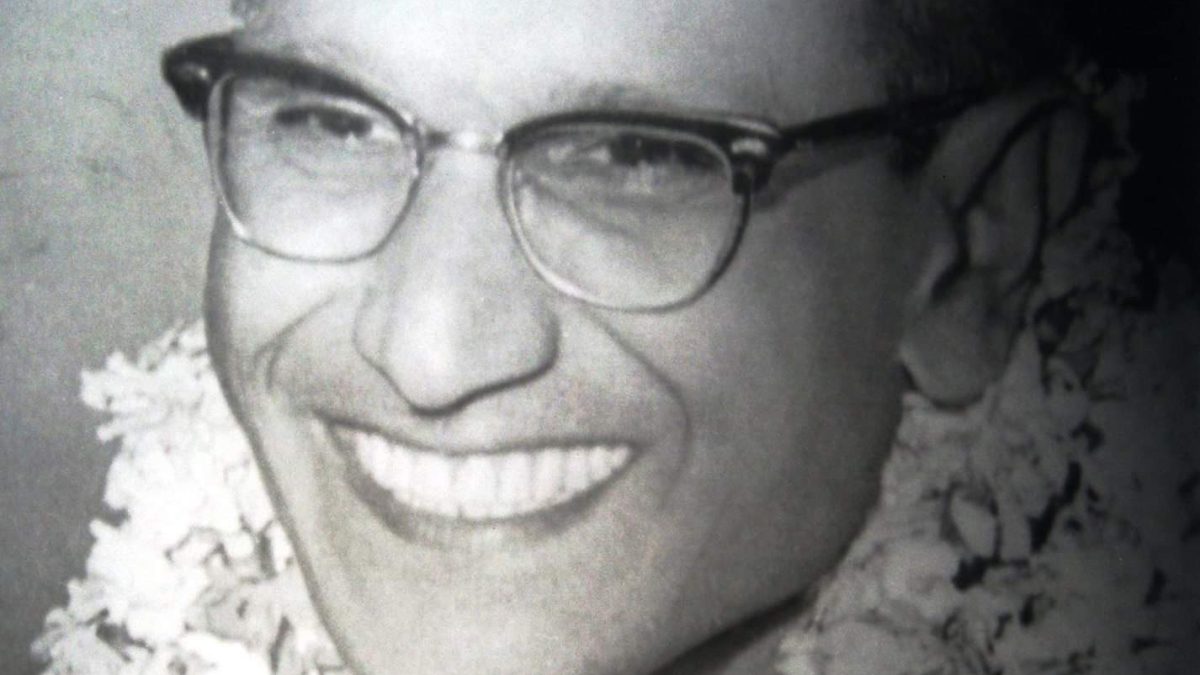
Batukeshwar Dutt (18 November 1910 – 20 July 1965) was an Indian revolutionary, best known as the companion of Bhagat Singh in the bombing of the Central Legislative Assembly in Delhi on 8 April 1929. Sentenced to transportation for life, he spent years in the Cellular Jail in the Andaman Islands. Unlike his famous comrade he lived to see independence, but in poverty and near obscurity.
Quick Facts
| Full name | Batukeshwar Dutt |
| Born | 18 November 1910, Oari, Bardhaman district, Bengal |
| Died | 20 July 1965 (aged 54), New Delhi |
| Organisation | Hindustan Socialist Republican Association |
| Known for | Central Legislative Assembly bombing (1929) |
| Spouse | Anjali Dutt (m. 1947) |
| Children | 1 daughter |
Early Life
Dutt was born in a village in Bardhaman and grew up in Kanpur, where his father worked. He studied at a high school in the city and was a good student, fluent in Bengali, Hindi and English. Kanpur in the 1920s was a centre of revolutionary activity, and in 1924 he met Bhagat Singh there. He joined the Hindustan Republican Association, later renamed the Hindustan Socialist Republican Association, and learned to make bombs.
The Assembly Bomb
In 1929 the government was pushing through two measures, the Public Safety Bill and the Trade Disputes Bill, aimed at the labour movement and the left. The party decided on a demonstration that would, in the words of its leaflet, “make the deaf hear”. On 8 April Bhagat Singh and Dutt entered the visitors’ gallery of the Assembly and threw two bombs onto the floor behind the government benches, away from the members. The devices were designed to make noise; a few people were slightly hurt. The two men shouted “Inquilab Zindabad”, scattered leaflets and waited to be arrested.
At the trial they used the dock to explain their politics, and their statement was printed across the country. On 12 June 1929 both were sentenced to transportation for life. Bhagat Singh was then tried and hanged in the separate Lahore conspiracy case; there was no evidence against Dutt in that case.
Prison
In jail at Lahore Dutt joined the long hunger strike demanding that political prisoners be treated decently, during which Jatindra Nath Das died. He was sent to the Cellular Jail at Port Blair, where he took part in the hunger strikes of 1933 and 1937. Brought back to the mainland, he was released in 1938 with tuberculosis, on condition that he stay out of politics. He joined the Quit India Movement in 1942 and was imprisoned again for about four years.
After Independence
He married Anjali in November 1947 and settled in Patna. The state had no place for him. He tried a series of small businesses, among them a transport agency and a bakery, and was for a short time a nominated member of the Bihar Legislative Council. Visitors in the early 1960s found one of the best-known names of 1929 living in want.
In 1964 he fell seriously ill with cancer. Public attention came late; he was moved to hospital in Delhi, where Bhagat Singh’s mother came to sit by his bed. He died on 20 July 1965. At his wish he was cremated at Hussainiwala in Punjab, beside the memorial to Bhagat Singh, Rajguru and Sukhdev.
Legacy
A colony near Patna’s airport and a memorial in his native village bear his name. His life is often cited as a reminder of how quickly free India forgot many of those who had fought for it.
Frequently Asked Questions
When and where was Batukeshwar Dutt born?
Batukeshwar Dutt was born on 18 November 1910 in Oari, Bardhaman district, Bengal.
When did Batukeshwar Dutt die?
Died: 20 July 1965 (aged 54), New Delhi.
What is Batukeshwar Dutt known for?
Known for: Central Legislative Assembly bombing (1929).
Featured image: Batukeshwar Dutt in later life, from the Punjab State Archives. Photo by Punjab State Archives, in the public domain, via Wikimedia Commons.



