
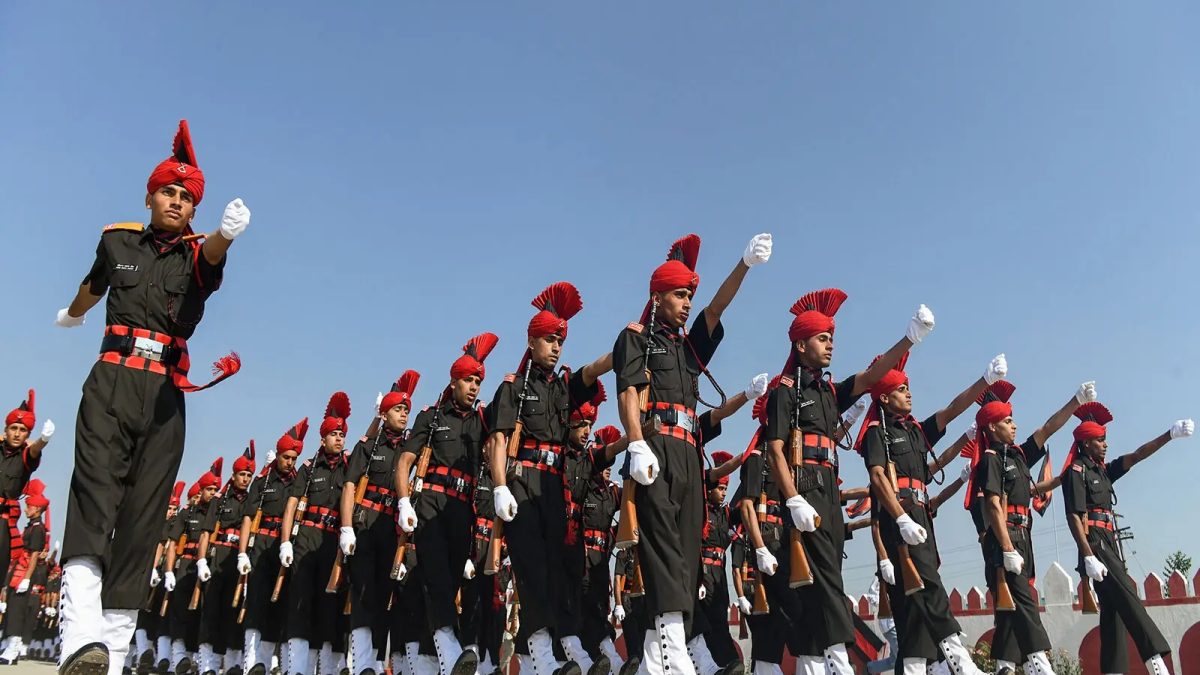
The Union Cabinet on 4 November 2026 approved a major revision of the Agnipath recruitment scheme, and Chief of Defence Staff General N S Raja Subramani announced it at a joint briefing with Union minister Ashwini Vaishnaw. Agniveers who do not make the merit cut after their first four years can now stay for two more years and then enrol as regular soldiers if they are willing and meet objective selection criteria. The decision came only weeks before the three services were due to release about 18,300 of the 24,400 recruits in the first batch, starting in mid-November. Under the original design, only 25 percent of each batch was to be kept on.
Supporters of the change point first to the numbers that improve for the young recruits. Agniveers who serve the extra two years will be paid Rs 43,500 a month in the first year and Rs 47,500 in the second, against a starting salary of Rs 30,000 for the first batch. Those who still leave will get a bigger Seva Nidhi package, because the government will now contribute 70 percent instead of sharing the contribution equally. Over three lakh Agniveers are in training across the services, including around 2.8 lakh in the Army, and the CDS said four years of evaluation showed outstanding fitness, motivation and technological skill. Retired Brigadier Hemant Mahajan argued that four years is too short to train soldiers in technical arms and artillery, and former Navy chief Admiral Dinesh Kumar Tripathi called the move a win-win for everyone.
Critics read the same decision very differently. Retired Major General Yash Mor, a long-standing critic, said it amounts to almost a rollback of a scheme he called badly planned and executed. The scheme was meant to keep the forces young and hold down the wage and pension bill, and officials now say the revamped model will undergo a financial review because higher salaries and future pension and gratuity payouts will raise spending. The Agnipath allocation in the 2026-27 defence budget is already Rs 17,396 crore, a 58 percent jump from Rs 11,039 crore the year before. Defence as a whole takes Rs 7.85 lakh crore, or 14.67 percent of central spending. The timing also invites questions, since five states including Uttar Pradesh, Uttarakhand and Punjab, which send many recruits, vote early next year.
For the country, the decision matters because it touches both security and employment. The armed forces keep thousands of trained soldiers who would have left, which retired officers say helps unit efficiency when conflicts are raging around the world. For families in recruiting states, a four-year contract with an uncertain exit has become a path to a pension. Agniveers who stay will rank below those selected in year four, and the final enrolment still depends on selection and a clean vigilance record, so uncertainty has not disappeared. The government also says reservations for Agniveers in paramilitary forces are no longer needed.
The extension answers the biggest complaint against Agnipath, which is job security, but it does so at a price that will keep rising. Whether the forces stay young while carrying a larger long-term pension bill is the question the promised financial reviews will have to answer. For now, the Agniveers get a second chance, and the government gets time.


Leave a Reply