
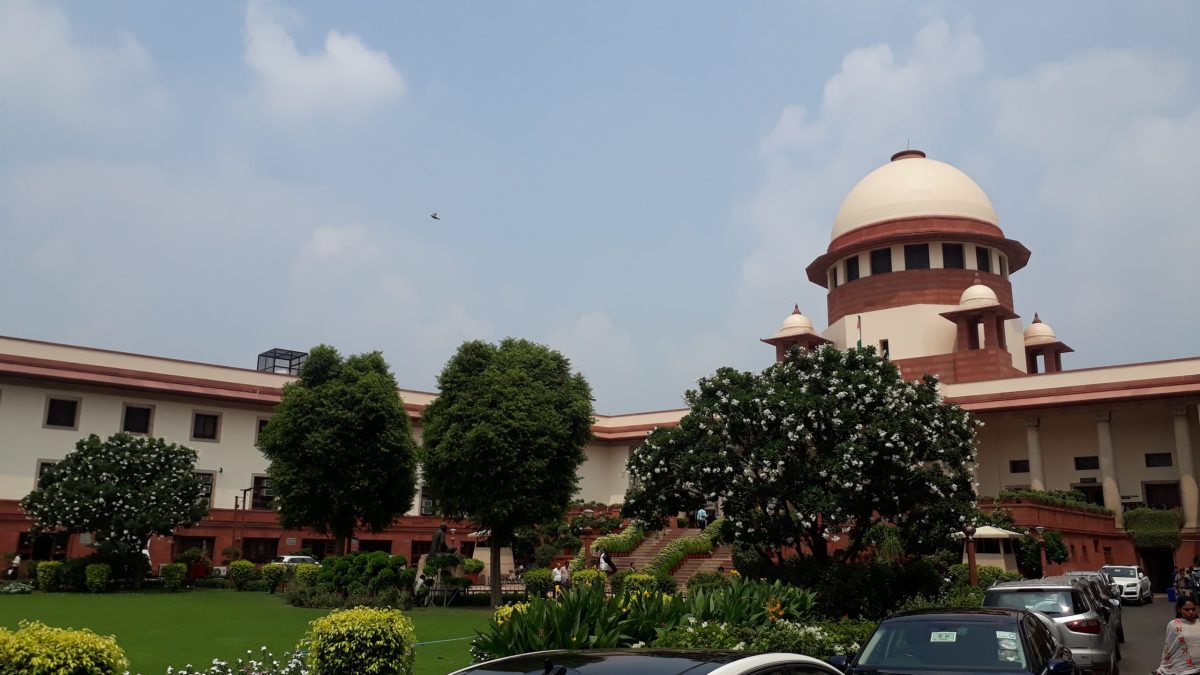
The Supreme Court on October 15, 2026, ruled that children cannot be barred from using the internet and set out a plan to make the web safer for them, according to ThePrint. The ruling came in a petition by the Just Rights for Children Alliance, following up on its September 2024 judgment in Just Rights for Children Alliance v S Harish. The court said: “The safety of our children and their freedom are not at odds with each other. Our children are entitled to both.” It directed platforms to provide child modes, make accounts private by default, restrict contact from unknown adults and strengthen advertisement moderation. The Union government, through the Ministry of Electronics and Information Technology and the Ministry of Law and Justice, must report on implementation by December 10, 2026.
The case that the court struck the right balance is that it protects both access and safety with specific duties. Rather than ban children from the internet, it held that access is a fundamental right and required safeguards: dedicated child modes, private accounts as the default setting, limits on contact from unknown adults and tighter moderation of advertisements, together with digital safety education for children, parents and teachers. The court also ordered a national database of hashes and URLs linked to child sexual exploitation material, with each entry checked independently by at least three trained analysts, hosted on the Cyber Crime Coordination Centre’s Sahyog Portal or in a separate repository. Platforms must remove matching content immediately, provide a grievance category for such material within two steps and send weekly removal reports.
The case for caution is that the plan depends on enforcement and that other demands for stricter limits remain. Platforms have to handle complaints of unknown origin and report them to the police or the cybercrime portal within a two-hour window, which is a demanding deadline for services with large numbers of users. A separate petition by a school, reported by ThePrint, has asked for curbs on children’s use of social media, and the Supreme Court has sought responses from the government and the child rights commission, so the question of age limits is still open. The database depends on three analysts verifying each entry, which may slow its growth, and the ruling sets a date of December 10 for the first progress report, which means that the practical effect will not be known for some weeks.
The ruling matters for children, parents and technology companies across India because it sets out what platforms must do rather than leaving the question to voluntary policies. For families, default private accounts and limits on contact from unknown adults address risks that parents often cannot control themselves, and the recognition of internet access as a right protects children who rely on online learning. For the government, the order creates reporting duties and a national database, and for platforms, a set of obligations with fixed time limits that they will have to build into their systems.
The Supreme Court chose regulation over prohibition, protecting access while demanding safer platforms. The government’s report on December 10 will show how quickly the system for removing abuse material and protecting children can be built.
Image: The Supreme Court of India complex, New Delhi (file photo). Photo by Pinakpani, licensed under CC BY-SA 4.0, via Wikimedia Commons.




Leave a Reply