
The government has capped trade margins on 137 non-scheduled anti-cancer drugs at 30 percent, with retail prices likely to fall by as much as 70 percent from November 9, 2026, according to ThePrint. The National Pharmaceutical Pricing Authority, which works under the Department of Pharmaceuticals, took the decision on the recommendation of an expert committee under the Directorate General of Health Services that included leading oncologists, specialists, hospital experts and government officials. Drugmakers must publish revised price lists, and retailers and hospitals must apply the lower prices by November 9 and display them prominently. The Week reported that the NPPA approved the 30 percent cap in principle at its 151st meeting on Thursday, October 8, with an earlier estimate of 110 drugs and a possible fall in prices of 20 to 70 percent.
The case that the cap will make cancer treatment cheaper is made by the size of the possible fall and by the earlier experience. The retail price could fall by up to 70 percent depending on how much each drug is marked up, and ThePrint noted that a 2019 pilot capped margins on 42 anti-cancer medicines at 30 percent, which reduced the maximum retail price by up to 90 percent across 526 brands. The Week reported that the NPPA had estimated reductions of 20 percent to 70 percent and annual savings of about Rs 2,500 crore on the 110 drugs first identified, so the 137 drugs now covered may save more.
The case for caution is that the cap applies only to the trade margin and to a defined list of drugs. It covers non-scheduled anti-cancer formulations, not all cancer medicines, and it limits what wholesalers and retailers add, not what the manufacturer charges, so the fall in prices depends on how large the markups were. The figure has changed from 110 drugs in the early reports to 137, which suggests that the list was still being finalised, and the savings estimate of Rs 2,500 crore was for the earlier number. The fall of “up to 70 percent” is a maximum, not an average, and the NPPA’s earlier estimate of 20 percent to 70 percent means that some drugs may see much smaller reductions. Implementation also depends on thousands of retailers and hospitals changing their price lists by one date.
The decision matters for patients and families because cancer treatment is a heavy financial burden in India, and the largest cost is often the drugs. A cap that works in practice would reduce out-of-pocket spending, particularly for those without insurance. For the pharmaceutical industry and distributors, the cap will reduce margins on a group of drugs, and the 2019 pilot suggests the government is willing to extend such caps. The data on how prices actually change after November 9 will show whether the policy delivers.
Margins on 137 cancer drugs will be capped from November 9, and prices should fall by up to 70 percent. Patients will judge it by the price on the shelf, not the announcement.
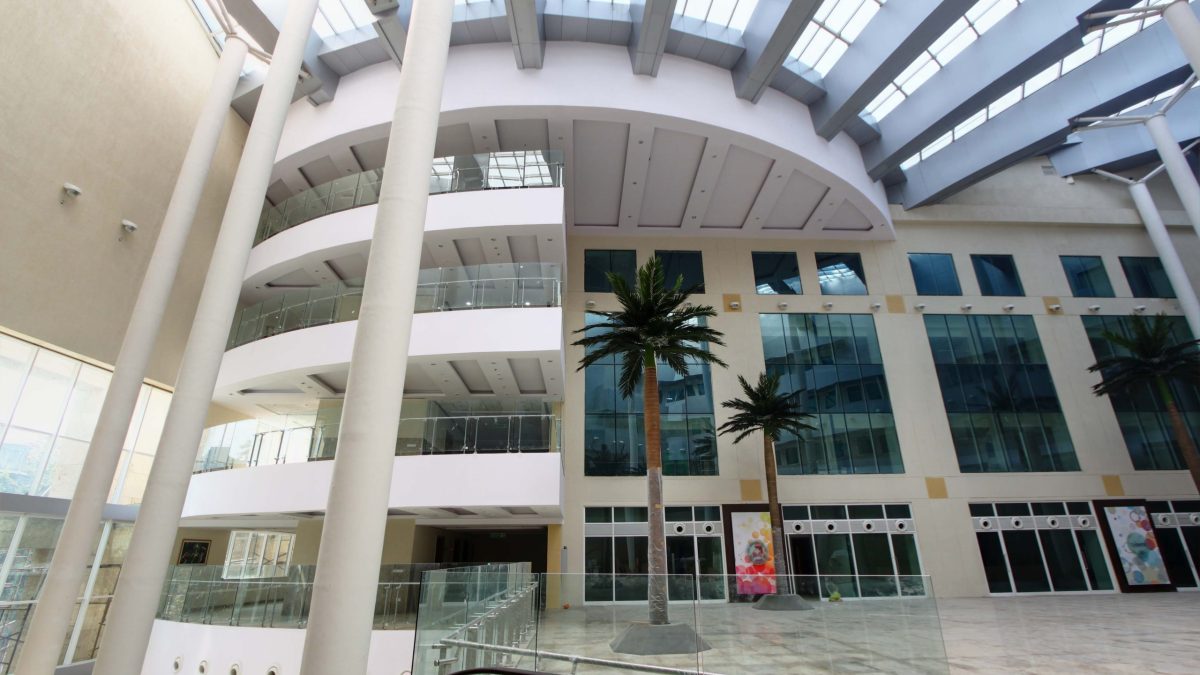
Image: The Homi Bhabha Block at Tata Memorial Hospital, Mumbai (file photo). Photo by Reetesh Chaurasia, licensed under CC BY-SA 4.0, via Wikimedia Commons.



Leave a Reply