
Haryana has reserved 20 percent of vacancies in police, forest and other uniformed services for former Agniveers and exempted them from written and physical tests, according to ThePrint’s report on the state’s policy. The 20 percent horizontal reservation covers police constables, India Reserve Battalion constables, State Disaster Response Force constables, forest guards, wildlife guards, mining guards, prison warders and fire operator-cum-drivers, and applies from September 1, 2026. Other Group C posts get a 5 percent quota and skill-specialised Group B posts 1 percent. Only former Agniveers domiciled in Haryana are eligible. Within the 20 percent, 2 percent each goes to deprived Scheduled Castes and other Scheduled Castes, 3 percent to BC-A, 2 percent each to BC-B and the economically weaker sections, and 9 percent is unreserved.
The case that the policy gives former Agniveers a real path to a government career is made by its size and its exemptions. The 20 percent share in uniformed posts is double the 10 percent police quota announced by Chief Minister Nayab Singh Saini in July 2024, when the Group C and Group B shares were set at 5 percent and 1 percent, together with a five-year age relaxation and interest-free loans of up to Rs 5 lakh. Former Agniveers are now exempt from all written examinations for direct recruitment to Group C posts and from physical screening and measurement tests, which recognises the training and fitness they received in service. Haryana sent 2,227 Agniveers to the armed forces in 2022-23 and 2,893 in 2023-24, according to ThePrint, a total of 5,120 in two years, so there is a substantial pool of people to benefit as they complete their service.
The case for questions about the design is also in the numbers. The quota is limited to Haryana domiciles, so Agniveers from other states do not benefit, and the 20 percent is a horizontal reservation that cuts across the existing caste categories, with only 9 percent of the 20 percent unreserved, which means the share open to all categories within the quota is small. The exemption from written and physical tests in recruitment for jobs where fitness matters has to be reconciled with the principle of open competition, and the 5 percent and 1 percent shares for other posts are much smaller than the 20 percent in uniformed services. The state recruited 5,120 Agniveers in two years against a 20 percent share of every uniformed vacancy, so the effect on other candidates will depend on how many vacancies arise.
The policy matters for Haryana, which sent 5,120 Agniveers to the armed forces in two years, and for the national debate about what happens to Agniveers after their four-year terms. A guaranteed share of state jobs is one way of answering concerns about their future, and Haryana’s approach, with a clear percentage and exemptions, may be watched by other states. For young people deciding whether to join the armed forces under the scheme, the knowledge that police and forest jobs are open to them may matter. For the state, it affects recruitment to forces that deal with law and order and disaster response.
Haryana has doubled its police quota for former Agniveers and removed the written and physical tests for them. The test of the policy will be how many are hired and how it sits alongside competition from other applicants.
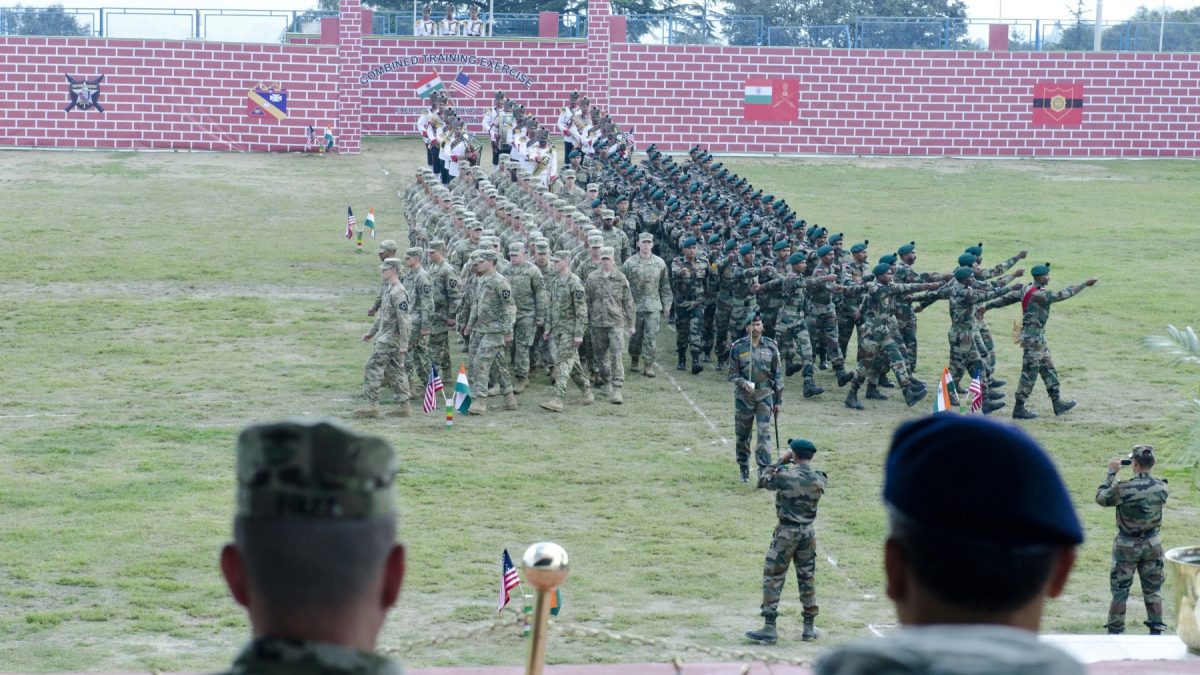
Image: Indian soldiers at a training exercise (file photo). Photo by Maj. Kelly Haux, in the public domain, via Wikimedia Commons.



Leave a Reply