
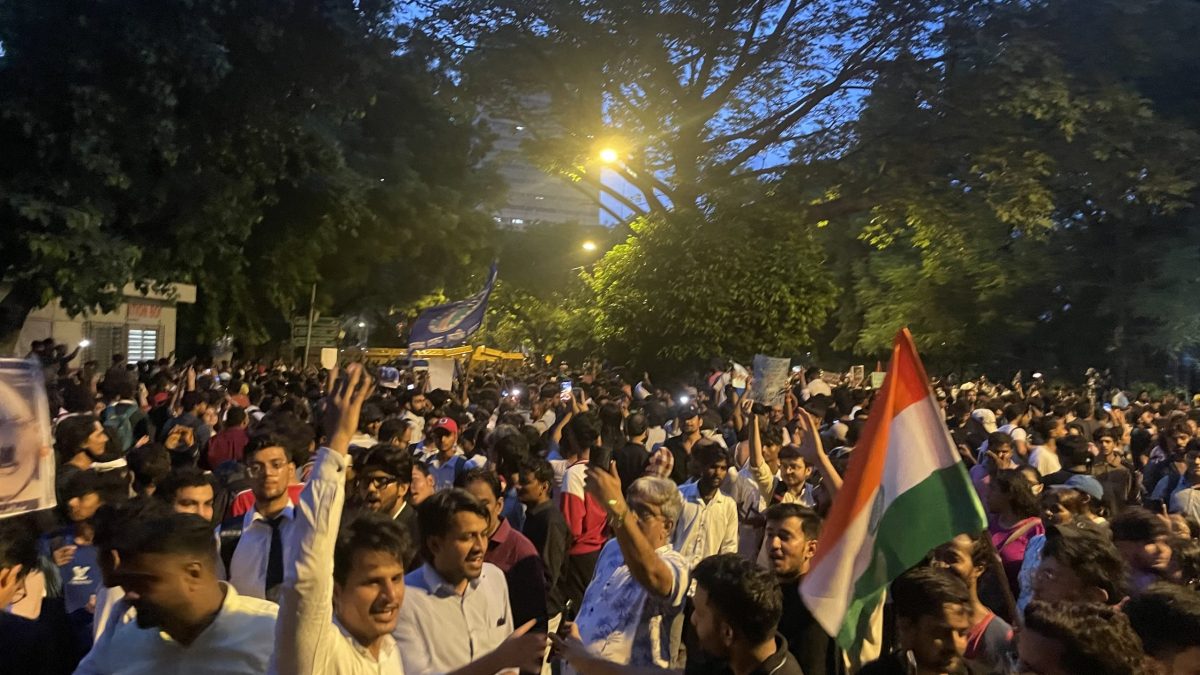
Delhi Police announced on Monday, 12 October 2026, that Jantar Mantar is no longer a designated site for protests and demonstrations, The Indian Express and The Hindu reported.
Quick Facts
| Order issued by | Delhi Police Commissioner Anurag Kumar (standing order dated 11 October) |
| New designated sites | Ramlila Ground (Central Delhi), Burari Ground (North Delhi), CBD Ground (East Delhi) |
| Reason given | Recommendation of a Ministry of Home Affairs committee on alternative venues |
| Court | Delhi High Court to hear a plea on Tuesday, 13 October |
What the Notice Says
“[The] Ministry of Home Affairs, Government of India, had constituted a Committee to examine alternative proper venues for citizen’s right for organizing protest/demonstrations in place of the existing ‘designated site’,” the notice says. “Based on the Committee’s recommendations, Jantar Mantar as a protest venue has been de-notified.”
The move came after the Cockroach Janta Party (CJP), a social media satire page turned pressure group, and several other organisations called on people to protest across central Delhi, including at Jantar Mantar, on Saturday and Sunday.
The Reaction
CJP co-convenor Saurav Das called the decision “unacceptable”. “The Jantar Mantar belongs to THE PEOPLE OF INDIA. Did the Ministry of Home Affairs consult with the people of India?” he wrote on X, adding: “We do not accept this arbitrary decision. It is an assault on people’s fundamental right to protest and peaceful assembly.”
In Court
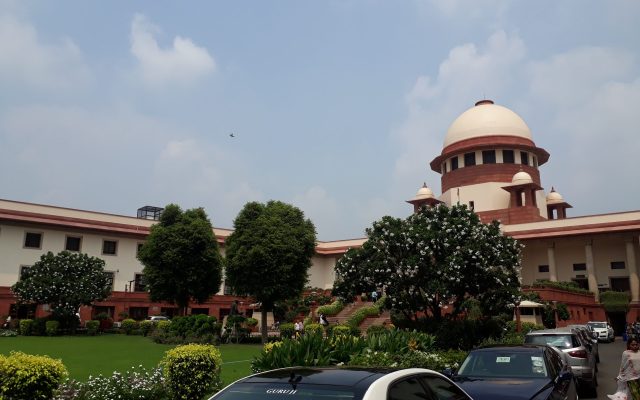
The Delhi High Court bench of Acting Chief Justice Nitin Wasudeo Sambre and Justice Sanjay Sharma declined to hear a plea against the closure on Monday and posted it for Tuesday. It noted that the Supreme Court is already seized of the matter and has asked the Union government to file affidavits. A lawyer told the court that peaceful protests were being quelled and that no other place had been earmarked.
The court also agreed to hear on Tuesday another petition alleging that “outsiders” had entered the weekend protest and harassed protesters.
How Jantar Mantar Became Delhi’s Protest Street
The Indian Express traced the history. Protests in Delhi were once centred on the Boat Club, near Parliament. In October 1988, nearly 5,00,000 farmers led by Mahendra Singh Tikait occupied its lawns for a week. As the Ram Janmabhoomi-Babri Masjid movement grew, the government banned gatherings at Boat Club, and protests moved to the lane beside the 18th-century astronomical observatory.
More recently, Jantar Mantar hosted protests and hunger strikes in June and July over alleged exam irregularities, which ended with the resignation of then Union Education Minister Dharmendra Pradhan.
Featured image: Protesters at Jantar Mantar in New Delhi, July 2026 (file photo). Photo by Alnitak-Alnilam-Mintaka, licensed under CC BY-SA 4.0, via Wikimedia Commons.


Leave a Reply