
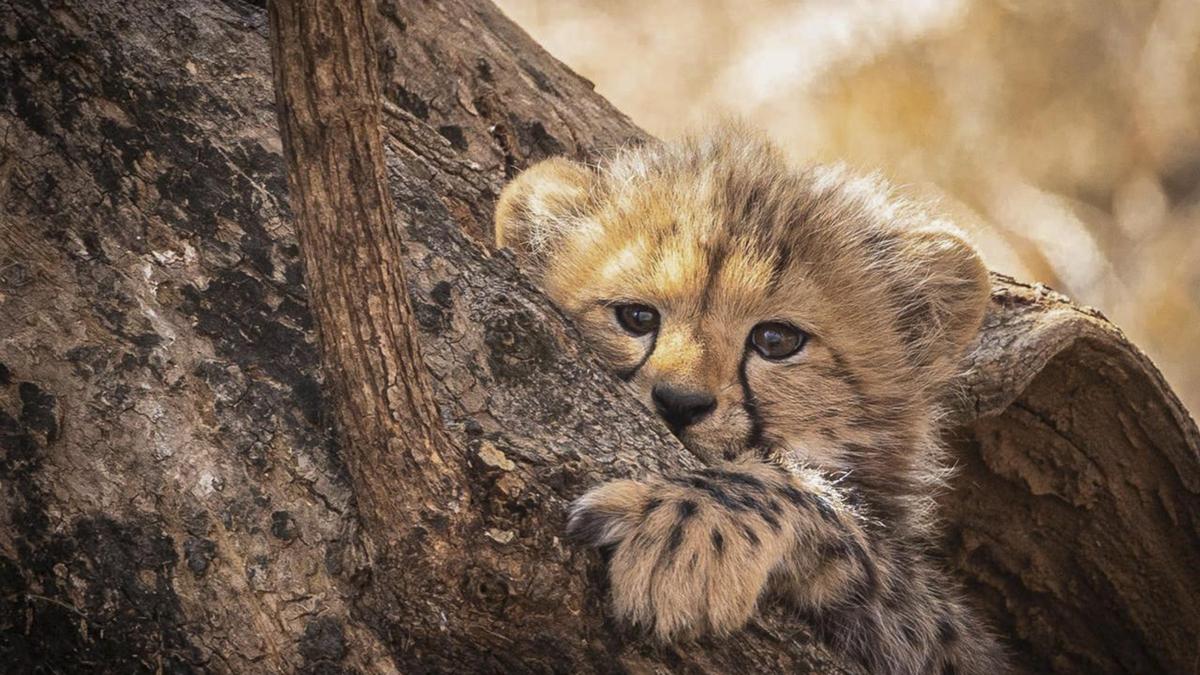
A two-and-a-half-year-old cheetah brought from Botswana has given birth to four healthy cubs in the wild at Madhya Pradesh's Kuno National Park, Union Environment Minister Bhupender Yadav announced on Friday, November 20, 2026. The female, identified as KOMG 3, is the first cheetah from Botswana to give birth in India, and the birth is the second recorded birth in the wild since the reintroduction programme began in 2022. For a project that has been watched closely, argued over and anxiously followed from its very first release, it is the kind of news that conservationists say they wait months to hear.
Mr. Yadav described the development as "a landmark moment for Project Cheetah and a proud milestone in India's journey towards restoring a viable cheetah population." With the four new arrivals, India's cheetah population has risen to 62, which includes 43 Indian-born individuals. That last number is arguably the most telling of all. It means that the large majority of the cheetahs now in the country were born here, rather than imported, and that the project has moved well beyond the stage of simply bringing animals from abroad and watching to see whether they survive.
Chief Minister Mohan Yadav called the birth a matter of pride for Madhya Pradesh and the entire country, and a historic achievement for Project Cheetah. In a statement, he noted that KOMG 3 had given birth to the four cubs under natural conditions after spending more than four months in the wild. That detail matters. A great deal of the early debate about the reintroduction centred on whether animals brought from southern Africa could settle, hunt and breed in Indian conditions, and whether they could do so outside the protection of enclosures. A mother who has spent more than four months free-ranging and then raises a litter in the wild is a data point in favour of the project, though one litter does not settle the larger questions.
The origin of the mother is itself significant. Botswana is a different source from the earlier founders of the programme, and the minister highlighted that she is the first cheetah from there to give birth in India. Breeding success among animals from different source populations is something wildlife managers watch with interest, because it helps broaden the genetic base of a small population, which is one of the main long-term worries for any conservation project that starts with a limited number of founders. The reporting does not go into the genetics, and it would be wrong to claim more than the facts allow, but the point of a diverse founder base is widely understood in conservation science.
It is also worth being clear about what this birth does not prove. The second recorded wild birth since 2022 shows that breeding in the wild is possible, not that the population is now self-sustaining. The minister himself used careful language, speaking of "restoring a viable cheetah population" as a journey. Cubs face high mortality in their first months wherever cheetahs live, and the real test will be how many of these four, and of the many Indian-born animals already counted in the population of 62, survive to adulthood and breed in turn. The statement from the ministry celebrates the birth; it does not claim the programme has reached its destination.
The mood in the official statements is, understandably, one of gratitude toward the people who do the daily work. Mr. Yadav said that "every such birth strengthens our hope, deepens our commitment, and reminds us that conservation is a journey of patience, perseverance and collective effort." He acknowledged the dedication of project managers, veterinarians, frontline forest staff and everyone working tirelessly for the success of Project Cheetah. Anyone who has watched wildlife conservation up close will know that it is the forest guards, trackers and vets, often working in difficult conditions and long hours, who make outcomes like this possible. A newborn litter in the wild is the result of countless hours of monitoring that the public rarely sees.
Chief Minister Mohan Yadav similarly said the success was achieved through the dedication and tireless hard work of officials, wildlife experts, veterinarians and frontline forest workers. He added that Madhya Pradesh is continuously achieving new milestones in wildlife conservation and biodiversity promotion. State leaders have strong reasons to emphasise this: Kuno has become a symbol of the state's wildlife identity, and each birth is, in effect, a public vote of confidence in the effort that the government has invested in the park.
The project's history makes the day's news feel larger than a single litter. Project Cheetah began in 2022 as an attempt to bring back a species that had been lost to the country. The idea of reintroducing an extinct large carnivore on that scale has few precedents, and it has drawn both enthusiastic support and sober criticism over the years, with experts debating habitat, space, prey availability and the readiness of the park to hold a growing population. The reporting for today does not revisit those debates, and this article does not try to settle them. What can be said is that a female born in Botswana, living free in an Indian forest and raising four healthy cubs in conditions the ministry describes as natural, is the kind of outcome that supporters of the project said they hoped to see.
What happens in the next few months will matter just as much as the birth itself. Newborn cheetah cubs are vulnerable to predators, disease and the stress of their mother's movements. Park managers typically monitor mothers and litters closely while trying not to interfere more than necessary, and the balance between protection and non-intervention is a delicate one. The reporting does not give details of how KOMG 3 and her cubs are being monitored, so it would be speculative to describe the arrangements, but the minister's thanks to veterinarians and frontline staff suggests that the animals are under close professional watch.
There is also a broader policy angle. As the population grows, so does the need for space. A rising cheetah population, now at 62, raises the question of whether Kuno alone can hold them or whether more landscapes will be needed, and how local communities living near the park will be involved and benefit. Those are questions for the authorities to address, and the information in today's reports does not answer them. But they are the logical next questions, and they are the ones that decide whether a successful birth translates into a lasting presence for the species.
For ordinary readers, the story offers something simple and rare in a news cycle full of conflict: a piece of good news about the natural world. The image of four cubs, small and spotted and only hours or days old, in a forest where their species was absent for decades, has an emotional force that statistics alone cannot carry. It is a reminder that conservation, for all its policy language, ultimately comes down to individual animals surviving and breeding.
It is fair to celebrate the moment while staying honest about the work still ahead. Four cubs were born. The population of 62 includes 43 animals born in India. The project has seen two recorded wild births in four years. Those are the verified facts, and they point to progress rather than completion. If the cubs thrive, they will become part of the first generation in modern times to be born to a Botswana mother on Indian soil, and their survival will say much more about the future of Project Cheetah than any announcement can.

Leave a Reply