
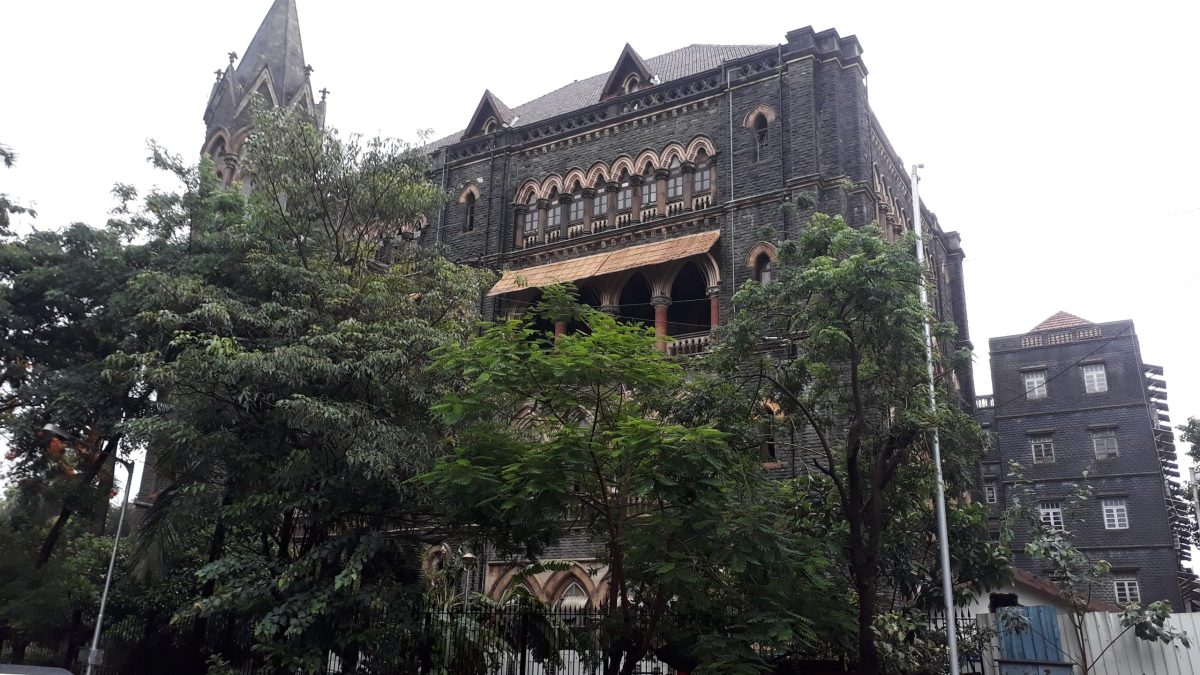
The Bombay High Court on October 15, 2026, clarified that its September 22 order banning firecrackers on public roads, streets, lanes and footpaths applies throughout the year, to all festivals and across Maharashtra, according to LiveLaw and The Free Press Journal. A bench of Justices Girish Kulkarni and Neela Gokhale said: “There cannot be any distinction between different festivities,” and that the order applies throughout the year and throughout the State. The case is Suo Motu Public Interest Litigation No. 1 of 2026, titled In Re: Noise and Environmental Pollution vs State of Maharashtra. The court also ordered a complete ban in silence zones near hospitals, government offices, courts and schools. The next hearing is on November 25, 2026.
The case that the ban is justified rests on the health evidence and the constitutional basis the court cited. The bench noted that the Air Quality Index in Mumbai reached 425 at some locations, a level that is severe, and said future generations should be kept healthy rather than treated in hospital for illnesses caused by pollution. It relied on Article 21 of the Constitution, which guarantees the right to life and includes a clean environment, and on Article 51A(g), which makes protecting the natural environment a duty of every citizen. The court also ordered that the Municipal Corporations and the Maharashtra Pollution Control Board jointly issue notices in newspapers and on electronic and social media, and set up an awareness mechanism within one week, including school programmes and public announcements. Treating all festivals alike removes any argument that one is exempt.
The case that enforcement will be difficult is also clear. The order covers public roads, streets, lanes and footpaths and silence zones, so it does not apply to private property or designated areas, and it relies heavily on awareness: notices in newspapers, school programmes, public announcements, messages on buses and trains, and the encouragement of green crackers with lower emissions. Compliance across a state as large as Maharashtra depends on local authorities and police, and the court has asked for a reporting mechanism, but only a hearing on November 25 will show how it is working. A year-round ban also affects traders and celebrations at every festival, and the court’s clarification makes clear that the order is not limited to particular festivals.
The ruling matters beyond Maharashtra because courts across India are dealing with the same conflict between festival traditions and air and noise pollution, particularly before Diwali, which falls on November 8 this year. For Mumbai residents, the order gives a legal basis to complain about firecrackers on streets at any time of year. For civic bodies, it creates a duty to publicise the ban and to build a reporting system, and for the state government it adds the task of enforcement during a busy festival season.
The High Court has made its ban on street firecrackers permanent for the year and for every festival. The test will be whether notices and awareness campaigns change behaviour before Diwali.
Image: The Bombay High Court building in Mumbai (file photo). Photo by Pinakpani, licensed under CC BY-SA 4.0, via Wikimedia Commons.


Leave a Reply