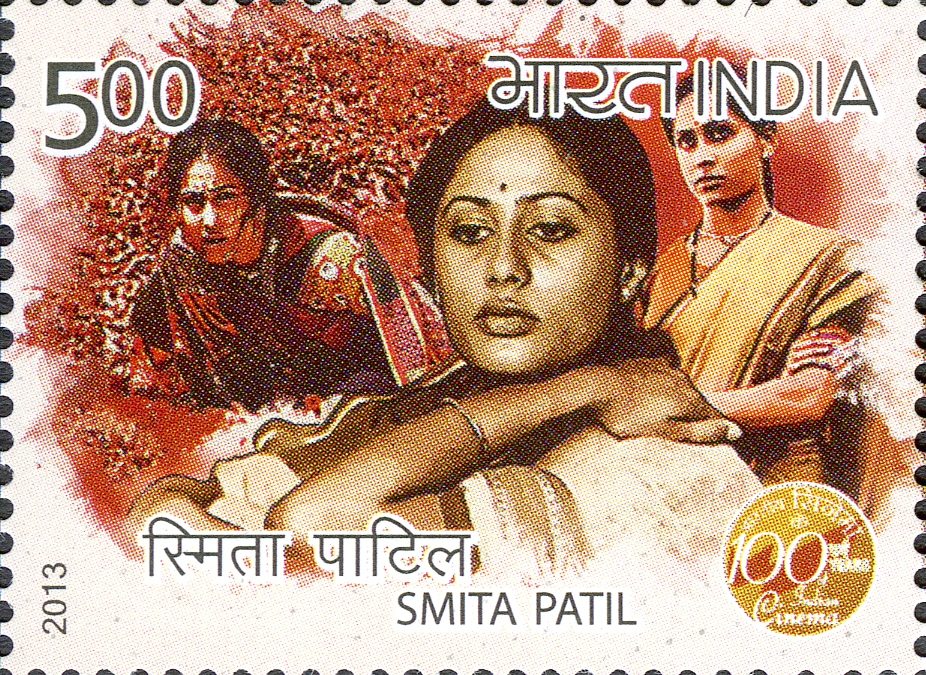
Smita Patil (17 October 1955 – 13 December 1986) was an Indian actress of film, television and theatre, regarded as among the finest the country has produced. In a career of barely eleven years she appeared in about eighty films in Hindi, Marathi and other languages, most memorably in the realistic “parallel cinema” of the 1970s and 1980s, where she played women who fight back. She won the National Film Award for Best Actress twice. She died at thirty-one of complications following the birth of her son.
Quick Facts
| Full name | Smita Patil |
| Born | 17 October 1955, Pune, Maharashtra |
| Died | 13 December 1986, Bombay (aged 31) |
| Occupation | Actress |
| Years active | 1975–1986 |
| Notable films | Manthan, Bhumika, Jait Re Jait, Chakra, Aakrosh, Umbartha, Arth, Bazaar, Mandi, Ardh Satya, Mirch Masala |
| Awards | National Film Award for Best Actress (1977, 1980); Padma Shri (1985) |
| Spouse | Raj Babbar |
| Children | Prateik Babbar |
Early Life
She was born in Pune, the second of three daughters. Her father, Shivajirao Patil, was a socialist who later became a minister in Maharashtra, and her mother, Vidyatai, was a nurse and social worker. The girls were brought up in the youth wing of a socialist organisation, with its camps, songs and plays, and to think for themselves.
She studied in Marathi-medium schools in Pune and at college in Bombay.
Newsreader
In the early 1970s she became a newsreader on the Marathi service of the new Bombay television station. She is said to have come to the studio in jeans and wrapped a sari over them for the camera. Her dark, large-eyed face caught the notice of film-makers.
Benegal
Shyam Benegal cast her in a children’s film, Charandas Chor (1975), then in Nishant, and in Manthan (1976), the film about the milk cooperatives of Gujarat that was paid for by half a million farmers, in which she played a Dalit village woman.
In Bhumika (1977) she played, from youth to middle age, a film actress of the 1940s who passes from man to man in search of a life of her own. She was twenty-one. It won her the National Award.
The Parallel Cinema
With Shabana Azmi, Naseeruddin Shah and Om Puri she formed the core of actors on whom the new cinema depended.
- Jait Re Jait (1977), in Marathi, among a hill tribe
- Chakra (1980), as a woman of a Bombay slum, for which she won her second National Award and the Filmfare Award. She lived in the slum to prepare.
- Aakrosh and Albert Pinto Ko Gussa Kyon Aata Hai
- Umbartha (1982), in Marathi, as a woman who leaves home to run a shelter for destitute women
- Arth (1982), as the unstable “other woman” opposite Shabana Azmi
- Bazaar, Mandi and Ardh Satya
- Chidambaram (1985), in Malayalam, for G. Aravindan
- Mirch Masala (1987), as a worker in a chilli-grinding yard who defies a tax collector, her last great role, released after her death
She worked with Satyajit Ray in the television film Sadgati and with Mrinal Sen in Akaler Sandhane.
Commercial Films
She was uneasy in song-and-dance films but took them for the money that let her do the others. Namak Halaal and Shakti (both 1982), with Amitabh Bachchan, were major successes. She said that she wept after shooting a rain song in the first.
Convictions
She was a committed feminist, a member of a women’s centre in Bombay, and gave the money from her first National Award to charity. She refused roles that she felt degraded women, and campaigned against a film poster that showed her bathing in the street, taken out of its context in Chakra.
The Padma Shri was given to her in 1985. Retrospectives of her films were held in Paris and elsewhere, and she served on the jury of the Montreal film festival.
Personal Life
She fell in love with the actor Raj Babbar, who was married with children, and they later married. The relationship was attacked in the press and cost her friends in the women’s movement. She wanted a child above everything.
Death
Her son, Prateik, was born on 28 November 1986. She developed an infection after the birth, was taken to hospital in a high fever, and died on 13 December 1986. More than ten of her films were released after her death.
Legacy
A postage stamp was issued in her honour in 2013, and a memorial award is given in her name. Her son became an actor. Those who worked with her speak of an instinctive performer who did not seem to act at all, and of a face the camera could not look away from.
Featured image: Smita Patil, from a 2013 postage stamp of India. Photo by India Post, Government of India, licensed under Government Open Data License – India, via Wikimedia Commons.