
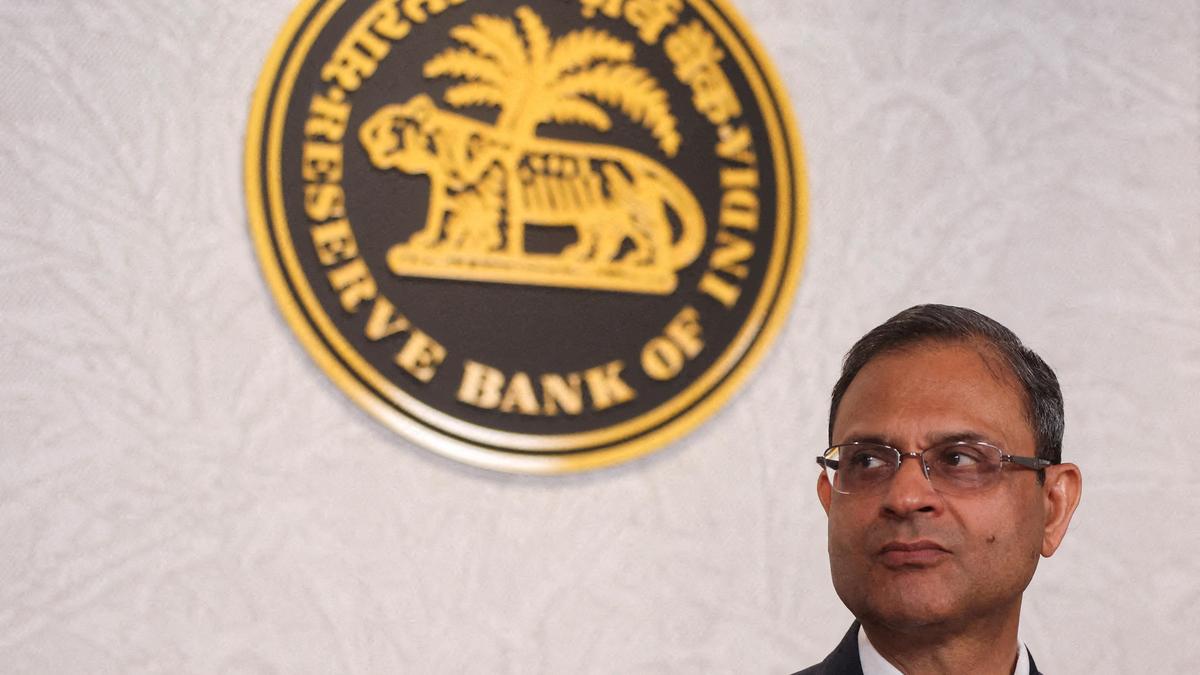
The Reserve Bank of India raised its policy repo rate by 25 basis points to 5.50 percent in October, the first increase since February 2023, and changed its stance to calibrated tightening. Alongside the decision, the central bank lifted its inflation forecast for FY27 by 20 basis points to 5.2 percent and raised its real GDP growth forecast for the year from 6.7 percent to 7.1 percent. The standing deposit facility rate moved to 5.25 percent, while the marginal standing facility rate and the bank rate went to 5.75 percent. The numbers tell two stories at once, a faster-growing economy and a stubborn price problem, and economists disagree about which one should drive policy.
The argument that the RBI was right to tighten begins with how broad the price pressure has become. Headline retail inflation rose to 4.8 percent in August, driven mainly by food and fuel, and about 37 percent of the items in the consumer price basket recorded inflation above 4 percent that month. That spread matters because it suggests the problem is no longer limited to one or two vegetables. The monsoon was deficient, reservoir levels were about 20 percent lower than last year, and prices of sugar and onions jumped in drought-hit states. Crude oil above 100 US dollars a barrel, linked to the conflict in West Asia, adds imported inflation, and a wider gap with US interest rates helps the rupee by discouraging portfolio outflows.
The argument against the hike is that most of this inflation comes from supply, not from excess demand, and higher interest rates do little to bring rain or lower oil prices. Core inflation, which strips out food and fuel, is projected at 4.4 percent for FY27, only slightly above the 4 percent target and well inside the 2 to 6 percent tolerance band. Headline inflation at 4.8 percent in August was also below the upper limit of 6 percent. The RBI had cut the repo rate by 125 basis points during 2025, from 6.5 percent to 5.25 percent, to support borrowers, and critics say reversing course while the economy is forecast to grow at 7.1 percent risks slowing home, auto and small business loans for a problem that rates cannot fix.
The outcome matters for ordinary households as much as for markets. A higher repo rate feeds into home loan and vehicle loan costs, and it raises returns on fixed deposits, so borrowers and savers feel it in opposite ways. For the country, the decision shows that the central bank will defend price stability even when growth looks healthy, which supports confidence among foreign investors who watch the rupee closely. The signal that the next move will not be a rate cut also tells businesses to plan for borrowing costs that stay elevated for some time.
The RBI has chosen to act early rather than wait for food and oil prices to feed into wages and core inflation. Whether that proves wise will depend on the monsoon aftermath, crude prices and the next inflation prints. For now, a 7.1 percent growth forecast gives the central bank room to be cautious.



Leave a Reply