India
Mahabalipuram: Shore Temple, Rathas and Why It Is a UNESCO World Heritage Site
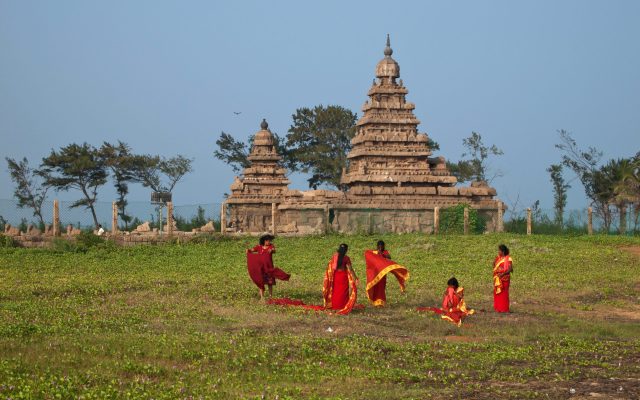
The seventh and eighth-century Pallava monuments at Mahabalipuram on the Tamil Nadu coast have been a UNESCO World Heritage Site since 1984.

The seventh and eighth-century Pallava monuments at Mahabalipuram on the Tamil Nadu coast have been a UNESCO World Heritage Site since 1984.
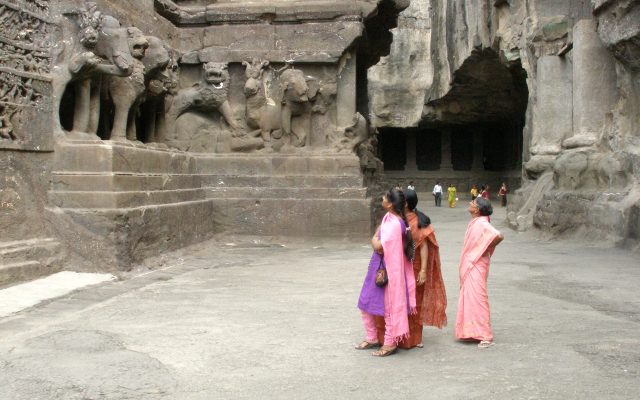
The Ellora Caves in Maharashtra, 34 Buddhist, Hindu and Jain monuments including the rock-cut Kailasa temple, have been a UNESCO World Heritage…
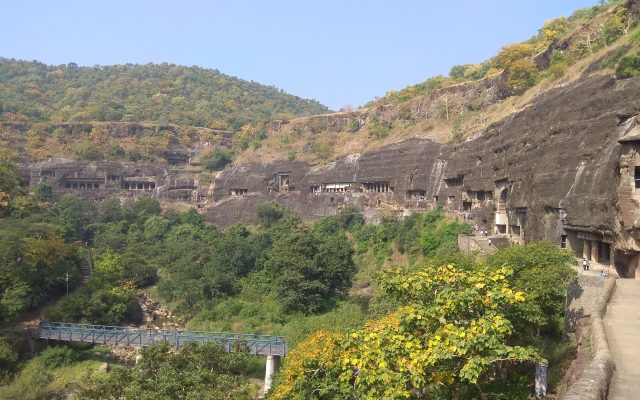
The Ajanta Caves in Maharashtra, rock-cut Buddhist monasteries with some of the finest surviving paintings of ancient India, have been a UNESCO…
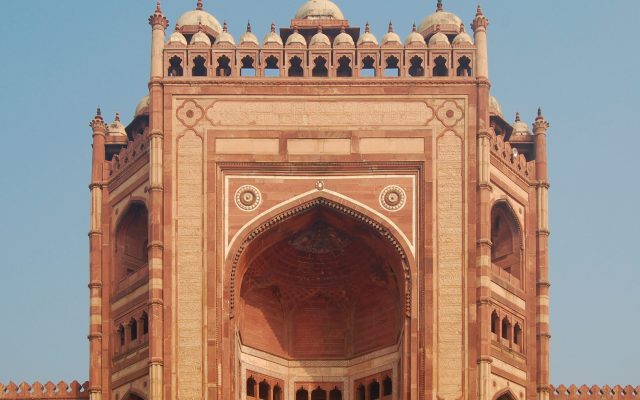
Fatehpur Sikri, the red sandstone capital built by Akbar and abandoned within fifteen years, has been a UNESCO World Heritage Site since…
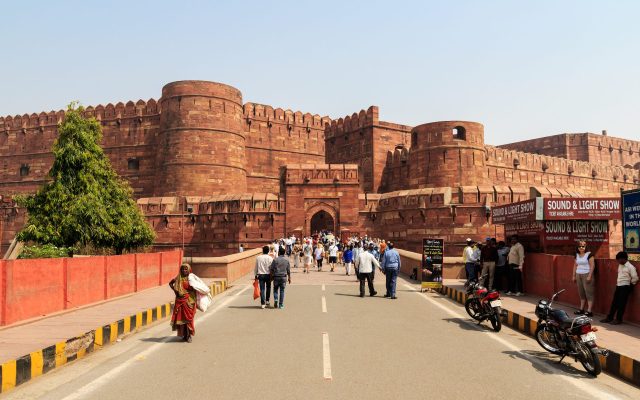
Agra Fort, the red sandstone citadel of the Mughal emperors on the Yamuna, has been a UNESCO World Heritage Site since 1983.
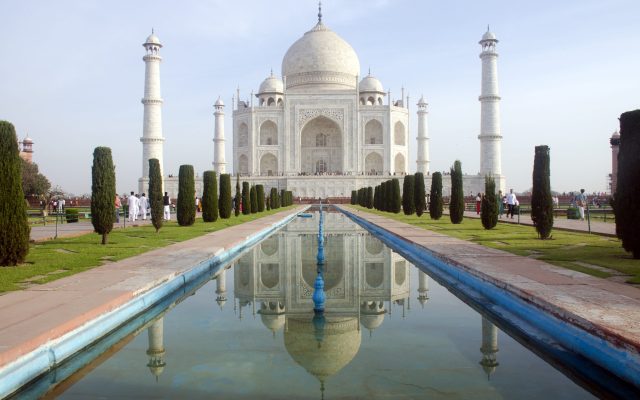
The Taj Mahal in Agra, built by Shah Jahan in memory of Mumtaz Mahal, has been a UNESCO World Heritage Site since…
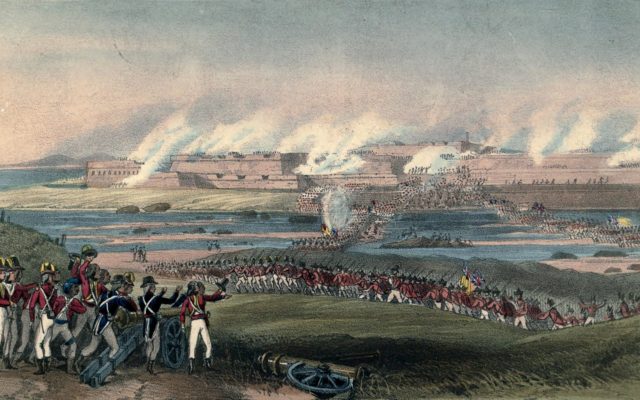
On 4 May 1799 East India Company troops stormed Seringapatam and Tipu Sultan was killed defending his capital, ending the Fourth Anglo-Mysore…
On 22 October 1764 the East India Company defeated the combined forces of Mir Qasim, the Nawab of Awadh and the Mughal…
On 14 January 1761 the Afghan ruler Ahmad Shah Abdali defeated the Maratha army at Panipat in one of the bloodiest battles…
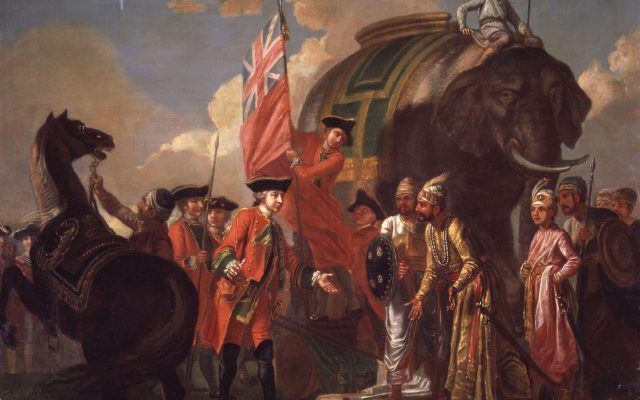
On 23 June 1757 Robert Clive's small force defeated the Nawab of Bengal at Plassey, a battle decided by conspiracy that opened…
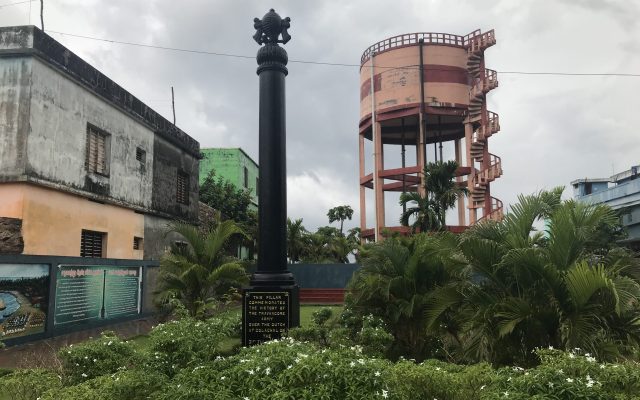
In August 1741 the army of Marthanda Varma of Travancore defeated a Dutch East India Company force at Colachel, one of the…
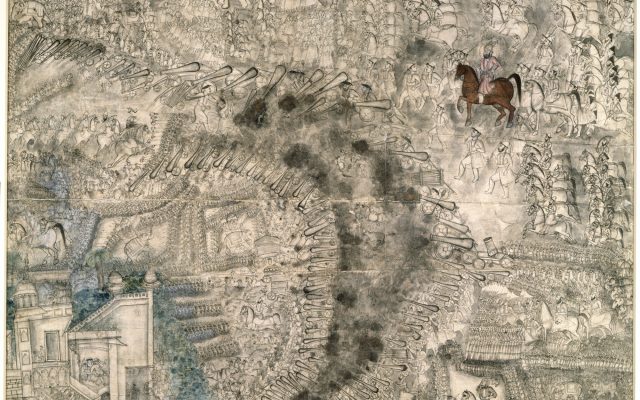
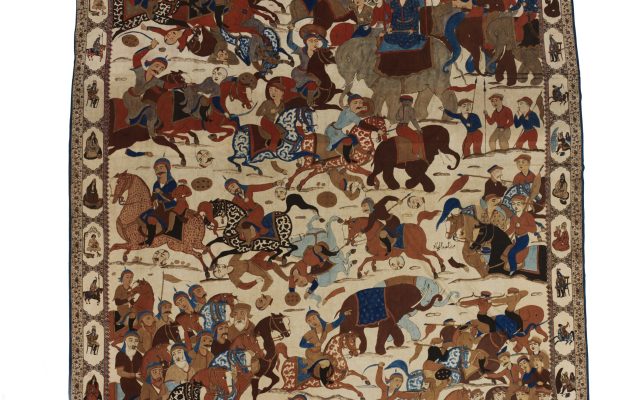
On 24 February 1739 Nadir Shah of Persia routed the Mughal army at Karnal in three hours, then sacked Delhi and carried…