
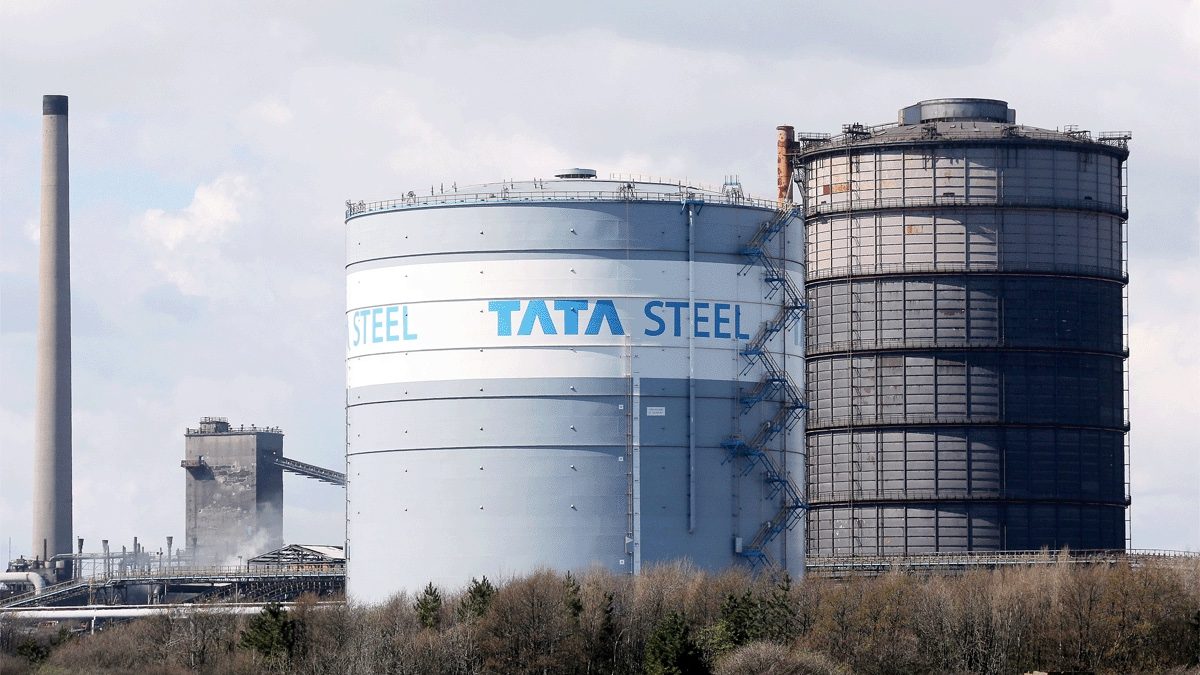
Tata Steel on Monday, 23 November 2026, announced that it will acquire the promoters' stake in APL Apollo Tubes Ltd for a cash consideration of up to ₹15,511 crore, a day after it agreed to sell its steel tubes business and its entire stake in Tata Steel Colors to the same company for ₹28,000 crore. The two announcements, made within about 24 hours of each other, amount to an unusual restructuring: Tata Steel is handing its downstream tubes and coated-products operations to APL Apollo and, in the same breath, buying its way into the company that will run them.
The sale came first. On Sunday, 22 November 2026, Tata Steel's board approved the transfer of its steel tubes and pipes business to APL Apollo for up to ₹11,700 crore, and the sale of its entire stake in Tata Steel Colors Pvt Ltd (formerly Tata BlueScope Steel) for ₹16,300 crore, taking the combined value to about ₹28,000 crore. The tubes business is being transferred as a going concern on a slump-sale basis, covering the steel tubes manufacturing facilities at Jamshedpur, Hosur, Khopoli and Sahibabad, along with certain cold rolling and surface-coated steel product facilities. Tata Steel held 50% of Tata Steel Colors directly and the other 50% indirectly through its wholly owned subsidiary Tata Steel Downstream Products Ltd, so APL Apollo will end up owning 100% of the company. Both transactions remain subject to customary conditions, including any regulatory approvals.
On Monday came the second half of the deal. Tata Steel said it will acquire the entire promoter stake in APL Apollo, described in the headline figures as 26.6%, with The Hindu's report also referring to a 26.38% stake bought from the promoters and selling shareholders. The purchase will be carried out in three tranches at ₹2,100 per share, with a face value of ₹2 each, and the Tata Steel board has approved it. The board also approved a mandatory open offer under SEBI rules to buy up to 7,28,06,387 equity shares, representing 26% of the expanded voting share capital, from public shareholders at ₹2,301.40 per share. If every public shareholder accepted, the open offer would cost up to ₹16,756 crore, payable in cash.
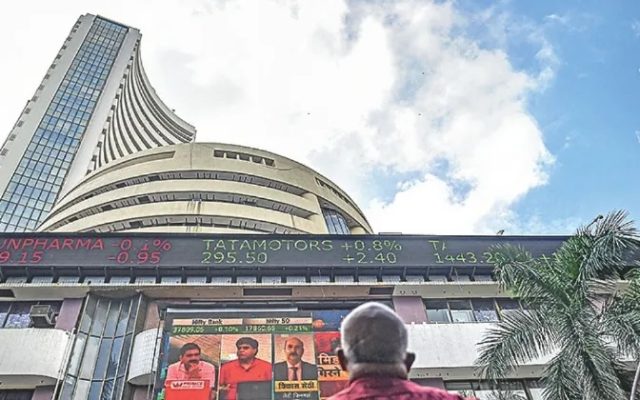
The market did not like what it saw. Tata Steel shares fell 7.5% to ₹164.50 on the BSE, while APL Apollo shares dropped ₹424 to ₹1,707 and hit the 20% lower circuit filter. The fall in APL Apollo is striking because the open offer price of ₹2,301.40 is well above the level to which the shares fell, a gap that investors will have to weigh when deciding whether to tender their shares. Why the stock fell despite an offer at a premium to its trading price is not explained in the reports, and analysts are likely to spend the coming days dissecting the structure of the deal and its financing.
Tata Steel's stated objective is to strengthen its downstream steel tubes and colour-coated products business. The company describes APL Apollo as a key Indian steel tubes maker with 5 million tonnes per annum (MTPA) of existing capacity and significant expansion projects under way. Once the transactions are complete, the consolidated APL Apollo will have 7.5 MTPA of steel tubes and colour-coated capacity, including 2.5 MTPA that comes from Tata Steel. That 2.5 MTPA is made up of Tata Steel's surface-coated coil capacity of 800 thousand tonnes per annum and its 1.7 MTPA steel tubes business. In effect, Tata Steel is putting its own downstream assets into a larger, more focused platform rather than running them alone.
The plan also includes a third element: an agreement with SG Tech Engineering Pvt Ltd (SG Spectra), a company associated with the promoter group of APL Apollo. Under a memorandum of understanding, SG Tech will set up exclusive contract manufacturing facilities of 5 MTPA of colour-coated products on a modular, pan-India basis, to take advantage of the growing Indian colour-coated products market. Tata Steel calls this an asset-light growth route, because the capacity will be built by SG Tech under an exclusive contract manufacturing arrangement rather than on the balance sheet of the combined company. The first one million tonnes of that capacity is expected to be built by SG Tech Engineering within the next 24 months.
The longer-term vision is ambitious. Tata Steel says it wants to grow the steel tubes business by a further 3 MTPA and to build the 5 MTPA of colour-coated capacity in the next few years, so that the company emerges as one of the leading global steel tubes makers and a prominent colour-coated products company. By 2035, the new APL Apollo is expected to build up to 15.5 MTPA of capacity, including 9 MTPA of steel tubes and 6.5 MTPA of colour-coated products. These are targets rather than commitments, and they depend on projects that are yet to be built, but they show how large the combined business is meant to become.
T.V. Narendran, the CEO and managing director of Tata Steel, said the company was "very pleased to have entered into a comprehensive agreement with APL Apollo and the Promoters" as it creates "a downstream powerhouse for the future characterized by its inherent strengths of agility in the market, strong growth trajectory and benchmark capex-opex profile to serve the growing Indian market." Tata Steel also said the two companies would realise synergies through higher overall capacity utilisation and de-bottlenecking, joint development of projects, purchase of equipment and materials, and shared distribution channels. Those synergies, it said, would further improve the already robust EBITDA margins of APL Apollo.
The financing is a key detail. According to Tata Steel, APL Apollo will initially fund the acquisition of the tubes business and Tata Steel Colors through a mix of acquisition financing, and will later replace the debt with long-term capitalisation to reduce the risk to its balance sheet. This means the company is taking on a large amount of debt in the short term for a transaction of about ₹28,000 crore, and that the manner in which it refinances will matter to shareholders and lenders. For Tata Steel, APL Apollo will now be the vehicle for downstream growth in steel tubes and coated products, which is a clear shift from owning and operating those businesses itself to holding a large stake in a specialist listed company.
The structure raises several questions that investors and regulators will want answered. One is how the open offer will interact with the three-tranche purchase from the promoters, since the open offer is mandatory under SEBI rules once the acquisition crosses the relevant thresholds. Another is how the stock exchanges and the competition regulator will view a deal in which a large steel producer sells downstream businesses to a company and then buys control of that company. Tata Steel has said that the transactions are subject to regulatory approvals, and the timetable for those approvals has not been spelled out in the reports.
For APL Apollo's founders and promoters, the transaction represents a dramatic change. They will sell their stake at ₹2,100 per share while bringing in Tata Steel's assets, and they continue to be involved through the arrangement with SG Tech. For minority shareholders, the open offer gives an exit at ₹2,301.40 per share for up to 26% of the company, but the sharp fall in the share price on Monday suggests that many investors are uncertain about the valuation, the debt and the governance of the combined entity.
For the wider industry, the deal signals that India's largest steel companies are rethinking how they approach value-added products. Steel tubes and colour-coated sheets serve construction, infrastructure and consumer markets, and demand for them is closely tied to housing and building activity. By consolidating these capacities in one platform, Tata Steel is betting that scale and market agility will matter more than direct ownership of every plant. If the plan works, the new APL Apollo could become a much larger competitor in a segment where capacity, distribution and cost control determine margins.
It will be several weeks before the picture is clearer. Investors will look for details of the regulatory filings, the open offer timetable, the pricing of the three tranches and the financing plan. Analysts will also watch whether the share price of Tata Steel recovers from its 7.5% fall, or whether the market continues to question the logic of selling businesses and buying a stake in the buyer. For now, what is certain is the size of the numbers: ₹28,000 crore for the tubes and coated-products assets, up to ₹15,511 crore for the promoters' stake, and up to ₹16,756 crore more if public shareholders accept the open offer in full.

Leave a Reply