
SEMICON India 2026 closed with 15 announcements and collaborations spanning semiconductor design, indigenous computing, artificial intelligence, quantum technologies, fabrication management and workforce development, according to a report by Compsmag. The event was held from 17 to 19 September 2026 at Yashobhoomi in New Delhi, according to a separate search summary.
The coverage describes the event as less about a single chip launch and more about the range of capabilities that India is trying to build around semiconductor manufacturing, a line quoted in the report. That fits the stage the country is at: one assembly plant is running, a fab is under construction, and the effort has turned to design, tools, people and software around them.
One named programme was the Digital India RISC-V Grand Challenge, run under the Chips to Startup initiative. According to the report, three teams received awards for solutions built on indigenous processors. RISC-V is an open instruction set for processors, which companies can use without paying licence fees, and it has been promoted in India as a way to build home-grown chips.
A second theme was computing. The report says that C-DAC, the government’s centre for advanced computing, and industry partners are developing domestic high-performance computing, AI and data-centre technologies, which are part of the idea of sovereign computing in the title of the report. The sources reviewed do not list the specific machines or capacities.
Start-ups were on show. Search summaries of the event say that Netrasemi presented an AI system-on-chip for applications such as surveillance, smart sensors, robotics, drones and mobility, built on a 12-nanometre process with AI and machine-learning accelerators and vision and video engines. A separate IndiaX24 article covers the company and its chip in detail.
Other coverage of the event, from sources such as DD News, EE Times India and Indian Television, describes a shift from chip design to a full semiconductor ecosystem. The details of those pieces could not be fully read for this article, so their specific claims are not repeated here.
The venue was Yashobhoomi, the same convention centre that hosted India Mobile Congress 2026 in October, which IndiaX24 reported earlier. What does the list of 15 announcements show? It shows the breadth of the effort. Chip making depends on equipment suppliers, materials, software, skilled workers and customers, and each of the themes in the announcements addresses one of those. Fab automation and workforce development, for example, are about the practical problem of running a plant and staffing it.
The usual caution applies to trade-show announcements. Many of them are memoranda, plans or pilots, and the sources reviewed do not give the amounts, dates or product specifications for most of the 15 items, so it is hard to judge how many will lead to real production.
The value of an event like this lies partly in the contacts between companies, start-ups and government agencies, and in the signals it sends. The test of SEMICON India 2026 will be how many of the announced partnerships show up as products and jobs in the next two years.
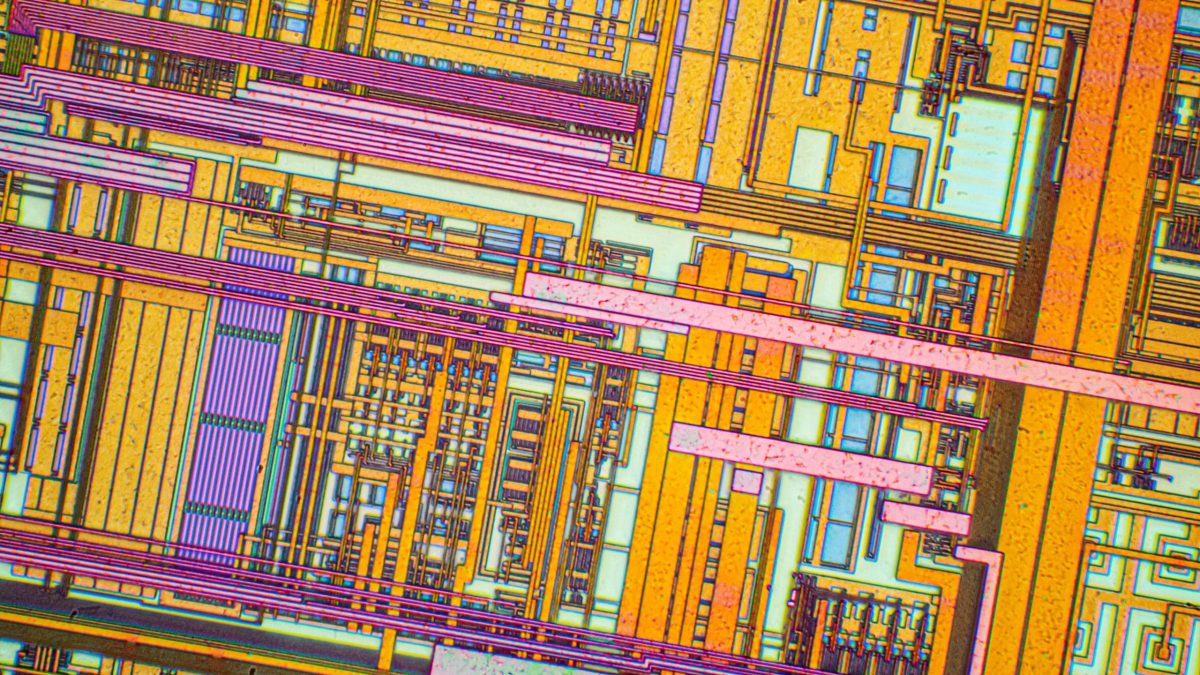
Featured image: A silicon chip under a microscope (file photo; a stand-in image, not from the event). Photo by Original: Alexander Klepnev Derivative work: IamMM, licensed under CC BY-SA 4.0, via Wikimedia Commons.



Leave a Reply