
The Department of Telecommunications has directed telecom operators to start the Calling Name Presentation service, known as CNAP, on 4G and higher networks from November 1, 2026, according to a circular dated October 13 reported by Business Today and Inc42. When someone calls, the recipient’s phone will show the caller’s name as well as the number, using the name recorded in the telecom operator’s subscriber records. International calls will show “International Call.” The service is switched on by default and does not need a separate request. Airtel, Jio, Vodafone Idea and BSNL are named as the operators that must introduce it, while 2G, 3G and landline networks will be considered separately later.
The case that the service will make calls safer is made by how it works. Operators must keep a database that links subscribers’ names with their numbers, and the caller’s registered name appears on the screen of the person called, so an unknown number is no longer anonymous. Business Today reported that the identification data obtained through the query is not kept after the call ends, which limits the privacy risk. Companies that make bulk calls can show a registered brand or business name if it is a trademark registered with the Trade Marks Registry or a trade name registered on the GST portal, and operators must check the documents, so callers cannot simply claim any name. The change follows trials on 4G and higher networks and the Telecom Regulatory Authority of India’s recommendations of February 2024.
The case for caution is in the limits and the choices behind the rules. Users who switch on the calling line identification restriction, known as CLIR, can hide their identity, and in that case their name will not appear on the recipient’s screen, so a determined scammer could use the facility. The service covers only 4G and higher networks, and Inc42 reported that 2G, 3G and landline networks are not included yet, so many calls will not show names. The names come from the operator’s subscriber records rather than from what the caller chooses, which means the display is only as accurate as those records. Inc42 also noted that TRAI had earlier proposed that users should opt in, but the order makes the service automatic, which some people may see as a change in how personal information is shown.
The order matters for India’s large telecom market because unwanted and fraudulent calls are a daily problem, and a name beside the number is a simple signal for people to decide whether to answer. It also affects businesses, which must apply to have their brand shown and may need to update the names on their bulk numbers. For telecom companies, the cost is in maintaining the name database and answering complaints, which operators are required to handle without reducing the quality of the service.
From November 1, calls on 4G and 5G networks will carry a name unless the caller opts out. The next steps are the extension to older networks and whether the display reduces fraud calls in practice.
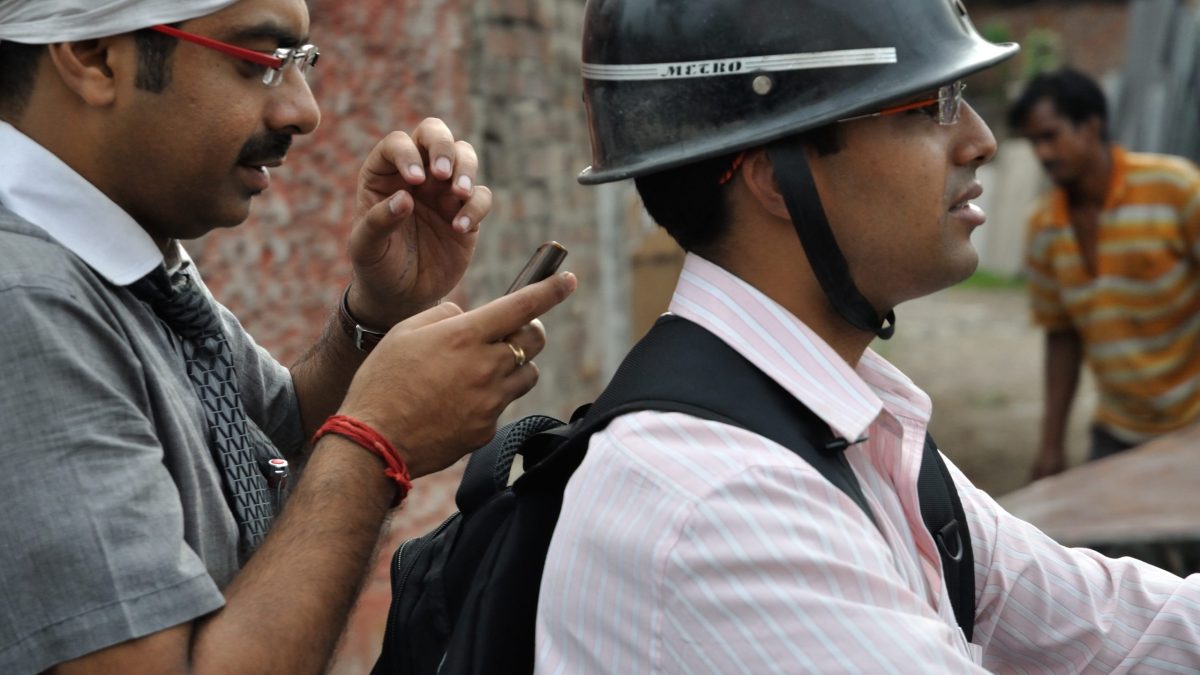
Image: Motorcyclists using mobile phones in Barrackpore, West Bengal (file photo). Photo by Biswarup Ganguly, licensed under CC BY 3.0, via Wikimedia Commons.




Leave a Reply