
The India Semiconductor Mission has approved 12 manufacturing units with a combined investment of more than Rs 1.64 lakh crore as of mid-2026, according to an overview published in October 2026 by Green News Desk. A different guide says that 13 projects have been approved, so the project count differs by source, and the official list from the Ministry of Electronics and Information Technology should be used for the exact number.
The central tool is fiscal support. The overview says that the mission provides support covering up to 50% of project costs. The sources do not say whether that figure counts support from state governments, and the details differ from project to project, but it shows the size of the public commitment compared with the private investment.
The projects at different stages show how the programme is progressing. Micron’s assembly and test plant at Sanand in Gujarat has opened, with the overview giving the date as February 2026 and another source giving March 2026. It converts imported memory wafers into finished products and has shipped to Dell, according to Cleanroom Technology, which reports a total investment of $2.75 billion.
Kaynes Semicon’s outsourced assembly and test facility is described as operational from March 2026 with an investment of about Rs 3,300 crore and a capacity of 6 million chips a day, according to the same overview. That figure and status come from a single lower-quality source and should be checked against company filings before they are relied on.
The largest project is the Tata-PSMC logic fab at Dholera, listed at Rs 91,000 crore, half built, with trial production targeted for December 2026, a 28-nanometre node and a capacity of 50,000 wafers a month. It would account for more than half of the total mission investment shown in the overview, which is IndiaX24’s own arithmetic using the Rs 1.64 lakh crore total and Rs 91,000 crore for that plant.
The overview also mentions CG Power’s project for automotive chips but gives no status for it. It does not list all 12 units, and the sources reviewed do not mention other approved projects by name, so a full picture needs the official list. Some other guides mention companies such as HCL-Foxconn and SiCSem, which could not be confirmed here.
The mission is also supported by design incentives. A report on Netrasemi says that the company received Rs 15 crore under the Design Linked Incentive scheme and was among the first four start-ups selected in 2023, and that it also uses the Chips to Startup programme for design tools and academic partnerships. This shows that the effort covers design as well as manufacturing.
Why does the scale matter? The investment of more than Rs 1.64 lakh crore is large, but most of it depends on a few big plants, and the benefits depend on those plants being completed and running well. The dates in the sources are targets, and fabs often take longer than planned to reach stable output.
The status in October 2026 is therefore one of early progress: some back-end plants are operating, the first fab is half built, and a design ecosystem is taking shape. The next milestone is the trial run at Dholera planned for December.
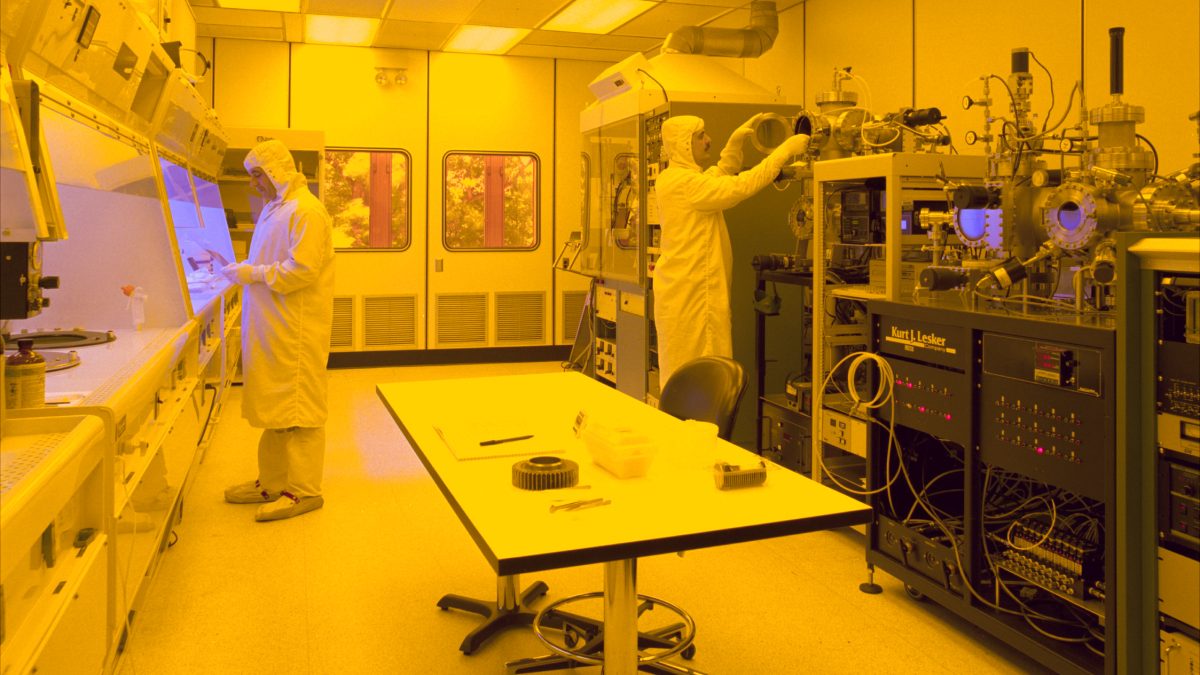
Featured image: A clean room (file photo; a stand-in image, not an Indian plant). Photo by Uploaded by Duk 08:45, 16 Feb 2005 (UTC), in the public domain, via Wikimedia Commons.




Leave a Reply