
Telecom operators in India must enable Calling Name Presentation (CNAP), which shows the name of the caller as well as the number, from 1 November 2026, according to The Logical Indian, StartupTalky and Whalesbook, which report a directive from the Department of Telecommunications. The feature will be on by default and will initially cover 4G and 5G networks, and not 2G, 3G or landline services.
The name that appears depends on the situation. If the caller’s number is saved in the recipient’s phone, the name from the recipient’s contacts is shown. If it is an unsaved domestic number, the name registered in the records of the caller’s telecom operator, drawn from the know-your-customer (KYC) records, is shown. For international calls, the screen shows ‘International Call’ and not a name, according to the reports.
The directive includes privacy safeguards. The calling name is not retained by the receiving network after the call ends, and operators must set up complaint mechanisms for incorrect displays, according to The Logical Indian. Users who have activated the Calling Line Identification Restriction (CLIR) service remain exempt, so their names will not be displayed. Subscribers do not need to register individually for the service, according to the search summary.
Businesses get a separate rule. Registered businesses may show a preferred name if it is a verified trademark or a GST-registered trade name, according to The Logical Indian. The reports reviewed do not say how the verification will work or who will carry it out.
The purpose is to reduce spam and fraud calls. The government introduced CNAP after years of consultation, and the Telecom Regulatory Authority of India made recommendations in February 2024 following consultations, after which operators ran trials on 4G and newer networks, according to the report. IndiaX24 has reported on cases such as a Karnataka farmer who lost Rs 1.31 crore in a ‘digital arrest’ scam, which shows the type of fraud that caller identification is meant to make harder.
There are limits to what the name can tell a user. The name shown is the one recorded at the time of KYC, so a fraudster who has used a false identity or a borrowed SIM card would show a name that is not his own, a general limitation that the reports reviewed do not discuss. The service also does not cover calls made over internet apps, which are not part of the telephone network.
The new rule overlaps with apps such as Truecaller, which show names drawn from users’ contact lists, according to general knowledge and not the reports above. The network-based system relies on official subscriber records instead, which makes the two sources different in reliability and in privacy terms. The reports reviewed do not say how the app makers have responded.
Several practical points are not covered. The reports do not say whether users will be able to turn the display off on the receiving side, how quickly corrections to wrong names will be made or what penalties apply to operators who miss the date. They also do not explain what happens on 2G and 3G networks, where many feature phone users remain.
IndiaX24 will report on how the rollout works on 1 November and on any complaints.
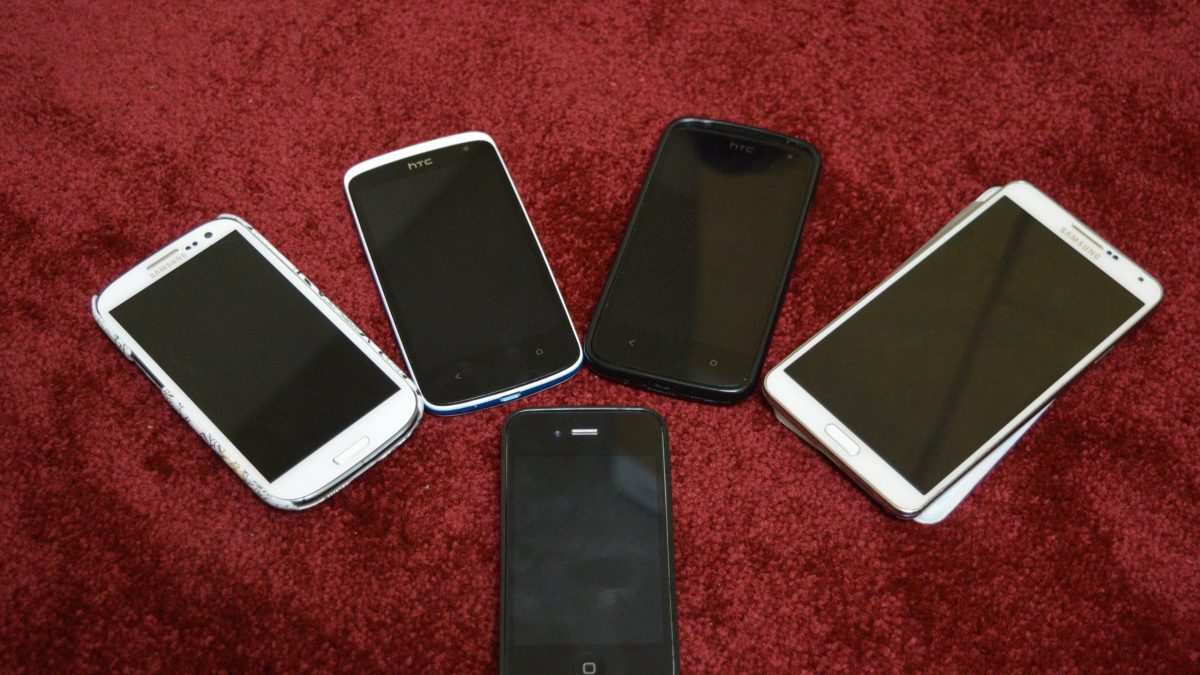
Image: Smartphones of different makes (file photo; a stand-in image). Photo by Kskhh, licensed under CC BY-SA 4.0, via Wikimedia Commons.



Leave a Reply