
Fixed wireless access, which delivers home broadband through a 5G radio link and not a cable, is one of the fastest-moving parts of India’s telecom market. TRAI data for August 2026, reported by TelecomTalk, show that total 5G fixed wireless access connections rose to 13.45 million from 13.21 million in July, an increase of about 240,000 in a month, or 1.8%, on IndiaX24’s arithmetic.
Two companies provide the service. Reliance Jio had 9,419,096 connections and Bharti Airtel had 4,034,325, which together come to 13,453,421 and so account for essentially the whole total. Jio therefore has about 70% of the 5G fixed wireless market and Airtel about 30%, on IndiaX24’s calculation from the published numbers.
The urban and rural split is notable. Rural areas had 6.98 million connections and urban areas 6.47 million, so more than half of the service’s connections are in rural India.
There is also an older kind of fixed wireless connection. The TRAI data list 5.37 million subscribers of fixed wireless access using unlicensed band radio, where Jio is the only operator, with 3.80 million in urban areas and 1.57 million in rural areas. In that older technology the pattern is the opposite of 5G, since urban areas are ahead.
Why is this service growing? The sources reviewed do not give reasons, but the basic appeal is that a wireless router can be installed quickly in places where laying fibre would take longer and cost more. A buyer of the service gets a connection for the home without waiting for a cable connection, which is why operators have promoted it.
How does it compare with the rest of the market? India’s wireless base is 1,312.25 million connections in total, and 13.45 million fixed wireless connections is about 1% of that on IndiaX24’s arithmetic. Fixed wireless is thus a small part of the wireless market, but it is a significant one for home broadband, where the numbers are smaller than in mobile.
The monthly change gives a rough sense of the pace. The 13.45 million figure for August compares with 13.21 million in July, so about 240,000 connections were added in a single month, and at that rate the base would take about five months to add a further million connections, which is IndiaX24’s own extrapolation and not a forecast from any source. Speed and quality are the usual questions for such a service. The sources reviewed do not give measured speeds, prices or the capacity limits of the network, so it is not possible to say how the service compares with fibre. Because many users share the same radio network, performance can vary with the number of users nearby.
The government has a stake in the question because home broadband is part of its digital plans, and the rural lead suggests that wireless can reach homes that wired networks do not. The data do not say how many of these homes had no broadband before, so the effect on the digital gap cannot be measured from them.
For the market, the numbers show a duopoly in 5G fixed wireless, rapid growth and a rural tilt, and the monthly TRAI releases will show how quickly it expands from its present base of 13.45 million.
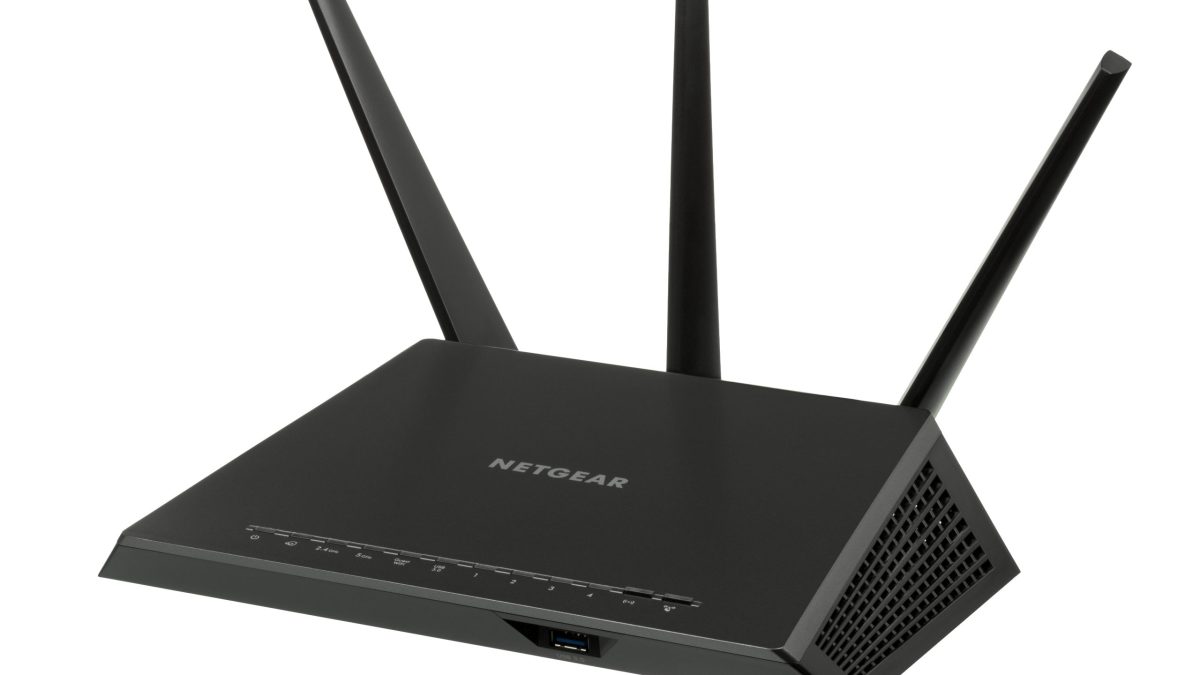
Featured image: A wireless router (file photo; a stand-in image, not an Indian 5G device). Photo by Evan-Amos, in the public domain, via Wikimedia Commons.




Leave a Reply