
The Jammu and Kashmir Legislative Assembly passed a resolution on Monday 28 September 2026 seeking the immediate restoration of statehood to the Union Territory, with the BJP opposition staging a walkout during the proceedings, according to Kashmir Vision’s report of 29 September. Chief Minister Omar Abdullah moved the resolution and used the debate to press the Centre on assurances given in court and in Parliament.
“We want justice for the humiliation that we have gone through,” he said. “It is not charity or favour from the Centre; it (statehood) is our right.” He recalled that the Supreme Court, in its unanimous judgment of 11 December 2023 upholding the revocation of Article 370, had directed that assembly elections be held by September 2024 and that statehood be restored “at the earliest”. Questioning the delay, he asked: “Which dictionary says as soon as possible means two years?”
The Chief Minister set out the sequence of promises. People had been told that delimitation would be followed by assembly elections and then by statehood, he said, adding: “Delimitation has happened, elections have happened, statehood has not happened.” A separate report by Kashmir Images quoted him asking what the appropriate time for restoring statehood is. The National Conference-led government, which took office in October 2024, adopted a resolution seeking statehood soon after it was formed.
Omar Abdullah also described how the Union Territory structure affects ordinary administration. “This can only happen in a UT, not a state,” he said about the opacity he sees in some administrative functioning. He rejected the idea that statehood should depend on ending militancy, arguing that such a condition effectively hands control of the issue to Pakistan, and said the decision should remain in New Delhi and not Islamabad.
The BJP did not take part in the debate. According to the report, the opposition walked out, and BJP MLA Devyani Rana made remarks against the treasury benches that Abdullah called unfortunate. The BJP’s own case for the timing of statehood was not set out in the report reviewed, and the Centre has not said in these reports when a decision will be taken.
The background is the revocation of Article 370 in August 2019, after which the state was divided into the Union Territories of Jammu and Kashmir and Ladakh. The Supreme Court’s December 2023 judgment, which Omar Abdullah quoted, upheld that revocation and set the timetable for elections and the direction on statehood. The elected government took office in October 2024, and the statehood demand has been among its main political positions since.
The resolution is a political statement and does not itself restore statehood, which needs an act of Parliament. Its significance is that it records the elected Assembly’s position at a time when the cabinet is also expected to be reshuffled. A column in Kashmir Observer has pointed to an administrative dispute that followed the resolution, in which the Law Secretary communicated with the Speaker through the Chief Secretary without the Chief Minister’s knowledge. IndiaX24 will report on any central response and on the next steps the government announces on statehood.
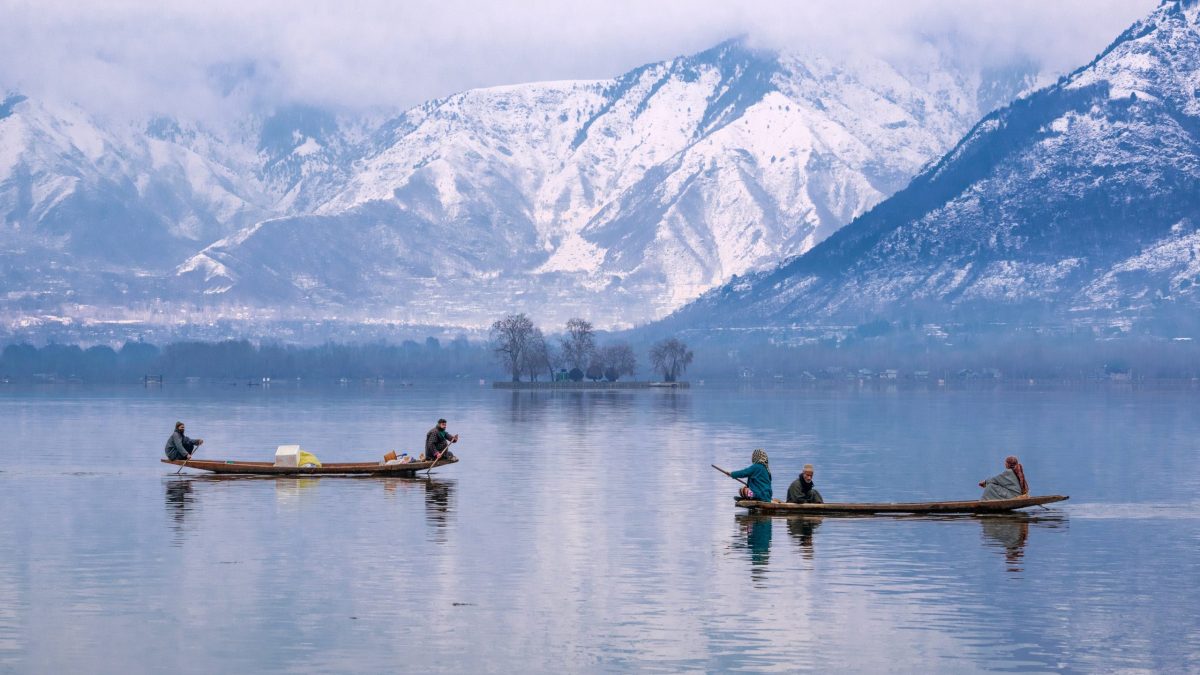
Featured image: Dal Lake and Hazratbal in Srinagar (file photo, 2019). Photo by Suhail Skindar Sofi, licensed under CC BY-SA 4.0, via Wikimedia Commons.

Leave a Reply