
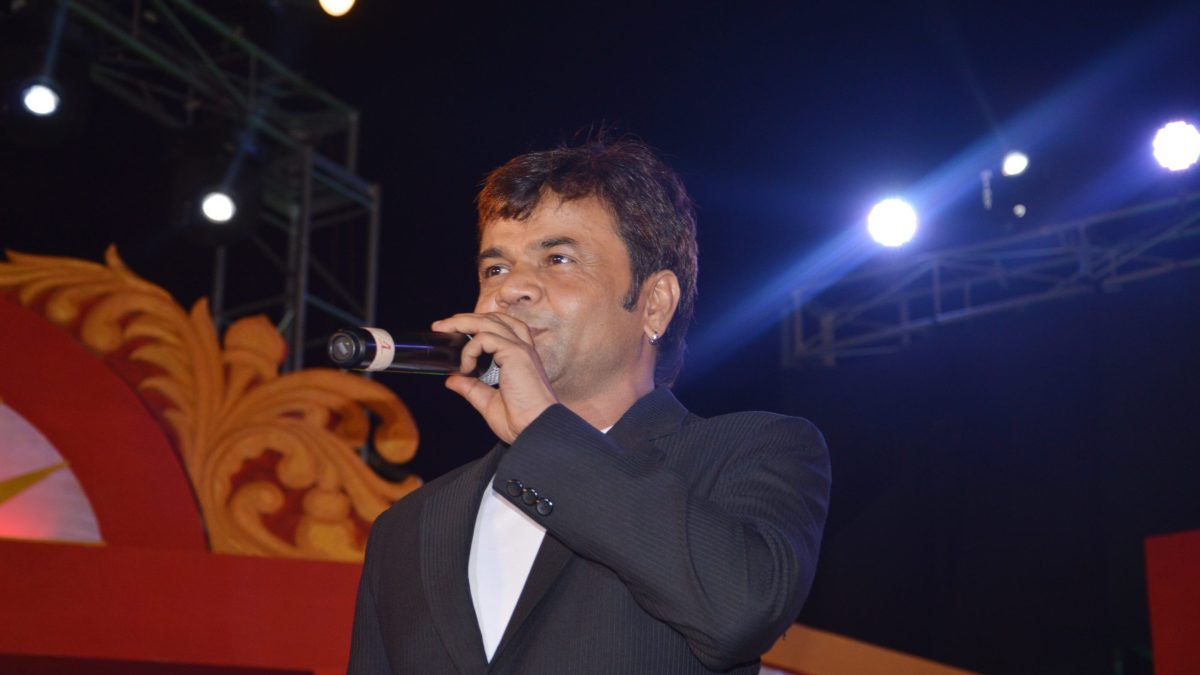
The Supreme Court on Wednesday, 7 October 2026, accepted a proposal by the actor Rajpal Yadav to sell ancestral property in order to pay what he owes in a long-running cheque-bounce case. The order came two days after the court had sharply criticised him for failing to keep a promise to pay.
What the court was told
The bench of the Chief Justice of India, Surya Kant, and Justices Joymalya Bagchi and V. Mohana noted, according to India Legal and LawChakra, that:
- Yadav had arranged ₹1.15 crore through demand drafts;
- a prospective buyer of his property had agreed to pay a further ₹85 lakh by Monday, bringing the immediate payment to ₹2 crore;
- the ancestral property is valued at more than ₹30 crore.
Counsel for the complainant agreed to the arrangement and to a period of three months for the remaining balance to be settled.
The earlier hearing
On 5 October, the same bench had taken strong exception to the actor’s conduct. He had undertaken to deposit money with the court registry by that day and had not done so. “Your place is in jail,” Justice Bagchi remarked during the hearing, Bar and Bench reported.
The tone on Wednesday was milder. The Tribune reported that the bench told the actor to make a film and entertain people again, saying that would rebuild his image.
The case
The dispute goes back to 2010, when Yadav borrowed ₹5 crore from a Delhi company, Murli Projects, to make Ata Pata Laapata, the film he directed and released in 2012. The film failed, the loan was not repaid, and cheques issued towards repayment were dishonoured. That led to prosecutions under the Negotiable Instruments Act, under which the dishonour of a cheque is a criminal offence. The case is listed as Rajpal Yadav v. Murli Projects.
The actor has been to jail in connection with the matter before, and earlier surrendered at Tihar Jail after a court refused him more time.
The actor
Rajpal Yadav, who comes from Shahjahanpur in Uttar Pradesh and trained at the National School of Drama, is one of Hindi cinema’s best-known comic actors, with films such as Hungama, Chup Chup Ke, Bhool Bhulaiyaa and Dhol.
This report draws on India Legal, LawChakra, Bar and Bench and The Tribune.
Image: Rajpal Yadav at an awards event in February 2016 (file photo). Photo by Krupasindhu Muduli, licensed under CC BY-SA 4.0, via Wikimedia Commons.

Leave a Reply