Mountain Railways of India: Darjeeling, Nilgiri and Kalka-Shimla Toy Trains Explained
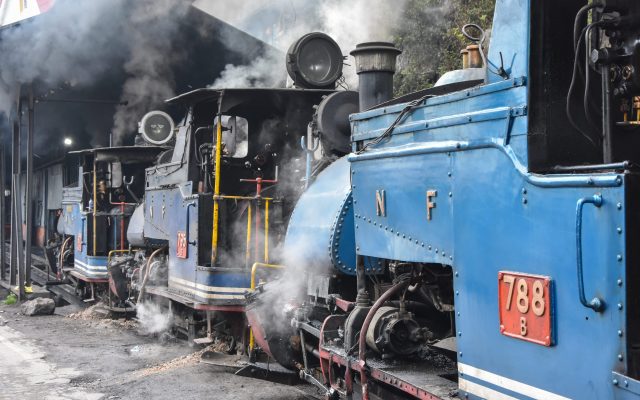
Three narrow-gauge hill railways, the Darjeeling, Nilgiri and Kalka-Shimla lines, together form the UNESCO World Heritage Site called the Mountain Railways of…
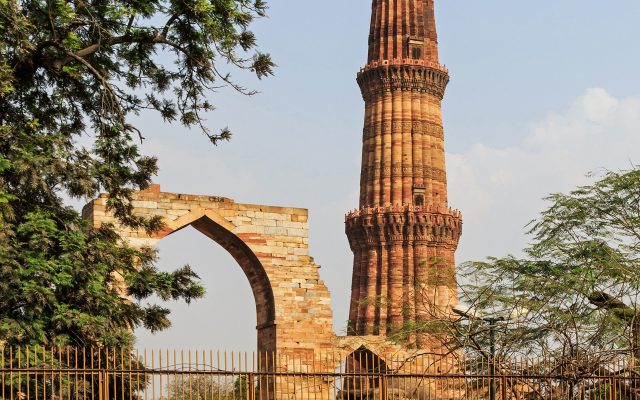
The Qutb Minar in Delhi, a 72.5-metre tower begun in 1199, and the monuments around it have been a UNESCO World Heritage…
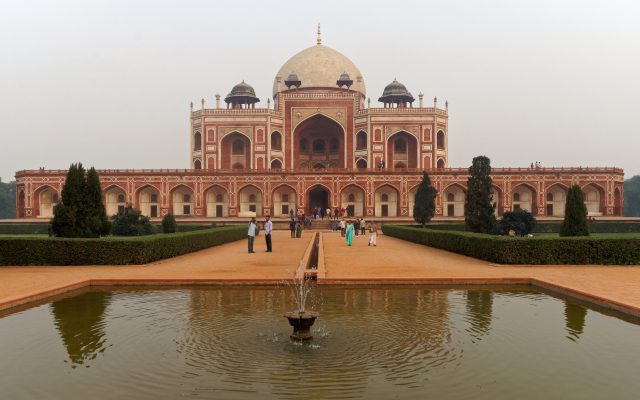
Humayun's Tomb in Delhi, the first great garden tomb of the Mughals and the model for the Taj Mahal, has been a…
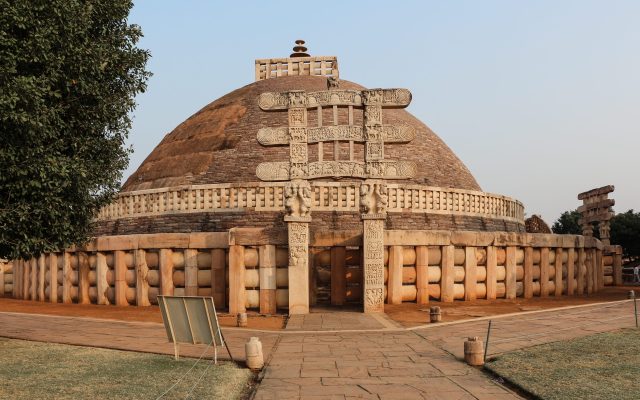
The Buddhist monuments at Sanchi in Madhya Pradesh, including the Great Stupa begun by Ashoka, have been a UNESCO World Heritage Site…
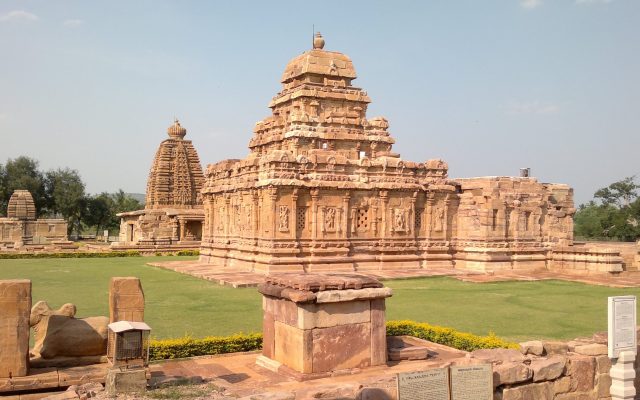
The eighth-century Chalukya temples at Pattadakal in Karnataka, where the northern and southern styles of Indian temple architecture meet, have been a…
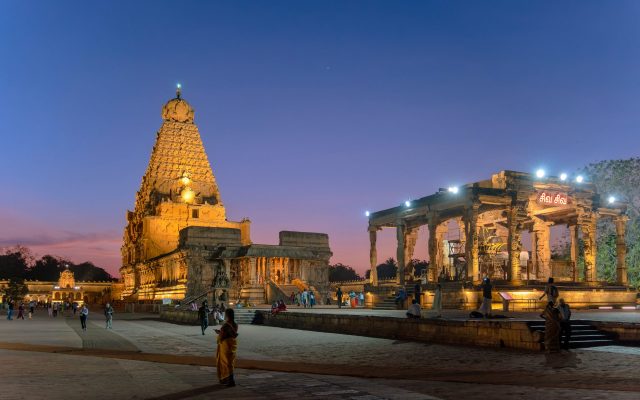
Three great temples built by the Chola kings in Tamil Nadu, at Thanjavur, Gangaikonda Cholapuram and Darasuram, form a UNESCO World Heritage…
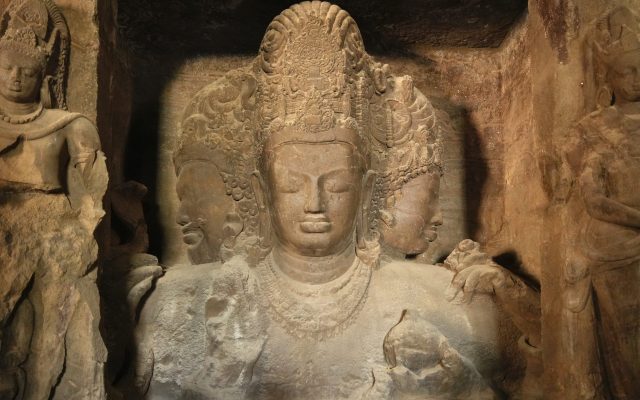
The Elephanta Caves, a rock-cut temple of Shiva on an island in Mumbai harbour, have been a UNESCO World Heritage Site since…
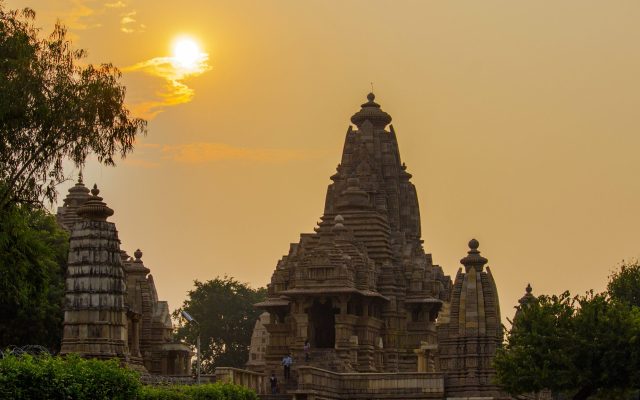
The Chandela temples of Khajuraho in Madhya Pradesh, celebrated for their architecture and sculpture, have been a UNESCO World Heritage Site since…
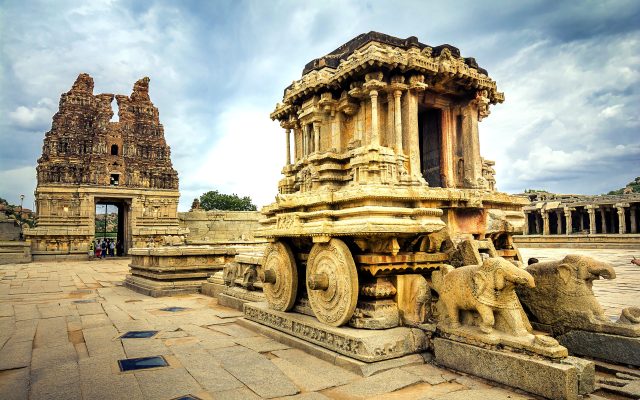
Hampi in Karnataka, the ruined capital of the Vijayanagara empire, has been a UNESCO World Heritage Site since 1986.
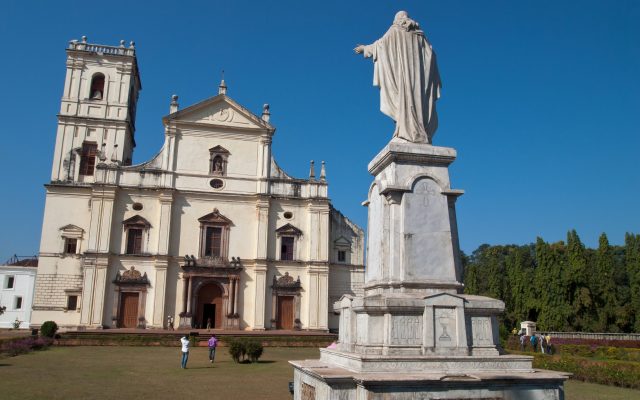
The sixteenth and seventeenth-century churches of Old Goa, including the Basilica of Bom Jesus and the Se Cathedral, have been a UNESCO…
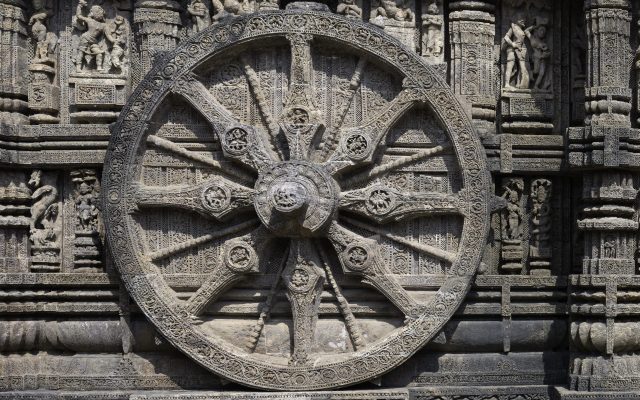
The thirteenth-century Sun Temple at Konark in Odisha, built in the form of a giant chariot, has been a UNESCO World Heritage…
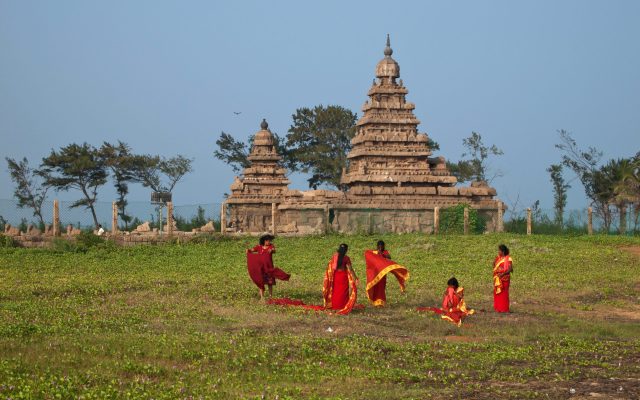
The seventh and eighth-century Pallava monuments at Mahabalipuram on the Tamil Nadu coast have been a UNESCO World Heritage Site since 1984.