
India’s retail inflation, measured by the Consumer Price Index, rose to 5.54% in September 2026 from 4.83% in August, according to data compiled by Trading Economics. The figure was above the 5.4% that the market had expected and reflects the pressure from food and fuel prices that the Reserve Bank of India had cited a week earlier when it raised the repo rate.
Food was the biggest single driver. Food inflation was 7.74% year on year in September, with large increases in some kitchen staples: onion prices were up 108% over a year earlier, ginger up 62.9% and garlic up 54.6%. These are items that most households buy often, which is why price changes in them are quickly noticed, even though their share of the overall index is limited.
Other parts of the basket also rose. Transport inflation was 5.01%, which the source links to higher oil prices and the weakness of the rupee. Restaurants and accommodation rose 9.36%, and the category of personal care and social protection was up 13.75%. Taken together, the data suggest that the increase is broad, rather than driven by one group.
The September reading was described as the highest since October 2024, and the source says it marks the 11th consecutive month in which inflation has increased. It is approaching the upper limit of the RBI’s tolerance band, which is 6%. The central bank’s target is 4% with a band of 2% on either side, and a reading close to the top of the band reduces the room for it to support growth through lower interest rates.
This is the context for the policy decision of 7 October, when the Monetary Policy Committee raised the repo rate by 25 basis points to 5.50% and projected inflation of 5.2% for FY27, including 6.0% in the third quarter of the year.
Why did prices rise? The Trading Economics note lists oil, the rupee and food items. Crude has been unusually expensive this year because of the conflict in West Asia and disruption around the Strait of Hormuz, which pushes up transport and input costs. A weaker rupee raises the rupee price of imported goods, including fuel. Wholesale prices rose even faster in September, which can feed into retail prices later as producers pass on their costs.
For households the effect is practical. Food bills are rising faster than the headline, and borrowers face the prospect of higher interest costs. For businesses, higher input prices can squeeze margins unless they raise prices, which is more difficult in a weak demand environment. For policymakers, the challenge is to bring inflation back toward target without choking the growth that the IMF and the RBI both forecast at around 7%.
What to watch next? The October inflation reading, due next month, will show whether the September jump was a one-off or the start of a sustained rise. The RBI’s own projection implies that inflation will rise further in the coming quarters before easing. Crude oil prices, the monsoon’s effect on vegetable supply and the rupee will determine whether that path holds.
The inflation data are provisional and are revised, and readers should rely on the official release from the statistics ministry for the exact figures. The numbers above are as reported by Trading Economics, which compiles official data.
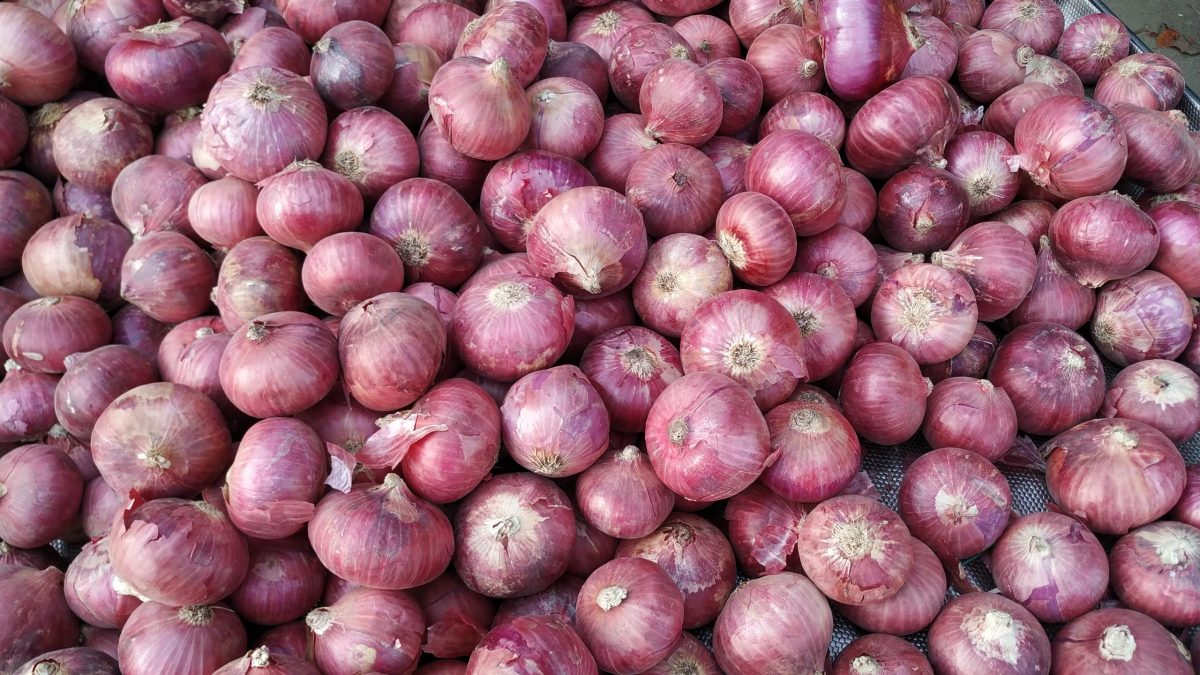
Featured image: Onions on a trolley (file photo; onion prices were up 108% year on year in September, and this is not a photo from the data). Photo by Ravi Dwivedi, licensed under CC BY-SA 4.0, via Wikimedia Commons.



Leave a Reply