
The Supreme Court on October 16, 2026, held that Yes Bank’s write-off of Rs 8,415 crore of Additional Tier-1 bonds in March 2020 was invalid, upholding the Bombay High Court’s ruling of January 20, 2023, according to ThePrint. A bench of Justices Dipankar Datta and Augustine George Masih said the administrator had no authority to go ahead with the write-off on March 14, 2020, because the government had removed the write-off clause from the final reconstruction scheme on March 13, after it appeared in the draft of March 6. The bonds were issued in two tranches, Rs 3,000 crore in December 2016 and Rs 5,415 crore in October 2017. The court was sharply critical of the Reserve Bank of India, which it called “a mere bystander.”
The case that the ruling is right rests on the sequence of events and the court’s reading of the regulator’s role. The write-off clause was in the draft scheme of March 6, 2020, but the government removed it from the final scheme on March 13, so when the administrator wrote the bonds off the next day, the court held there was no legal basis for doing so. The bondholders, represented by Axis Trustee Services, won, and the ruling preserves the annual coupon payments on the bonds according to their original terms. The court said: “The RBI was a mere bystander, allowing the Common Equity Tier 1 (CET1) ratio of Yes Bank to drop to an astonishing low of 0.6 percent while the business of Yes Bank was being carried out in a clandestine manner.” A core capital ratio of 0.6 percent by December 31, 2019, shows how weak the bank had become before the rescue.
The case that the ruling creates difficulties comes from the scale of the sums and the circumstances of the rescue. The Rs 8,415 crore of bonds that the court has declared still valid is a large liability for a bank that was rescued in 2020 after its capital had collapsed, and ThePrint.s report does not say how the bank or the lenders that rescued it will meet the payments. The write-off was part of a plan to save the bank within days, and the court’s finding that the administrator acted without authority sets a standard that regulators will have to meet in future rescues. The ruling also criticises the RBI’s role before the crisis, which could lead to questions about the supervision of other banks, although the court did not give directions on that point.
The ruling matters for investors in bank bonds, for regulators and for the wider banking sector because AT-1 bonds are meant to absorb losses, and the judgment sets out when they can be written off. For bondholders, it is a clear victory that preserves their coupons. For the RBI, a Supreme Court statement that it was a bystander as capital fell to 0.6 percent is a strong public rebuke on supervision, and it could affect how future resolutions are designed. It is also a reminder that a rescue scheme must be followed to the letter if it is to be enforced.
The Supreme Court has restored the value of Rs 8,415 crore of AT-1 bonds and criticised the regulator that oversaw the bank’s decline. The financial consequences for Yes Bank and for how future rescues are handled will become clearer in the coming months.
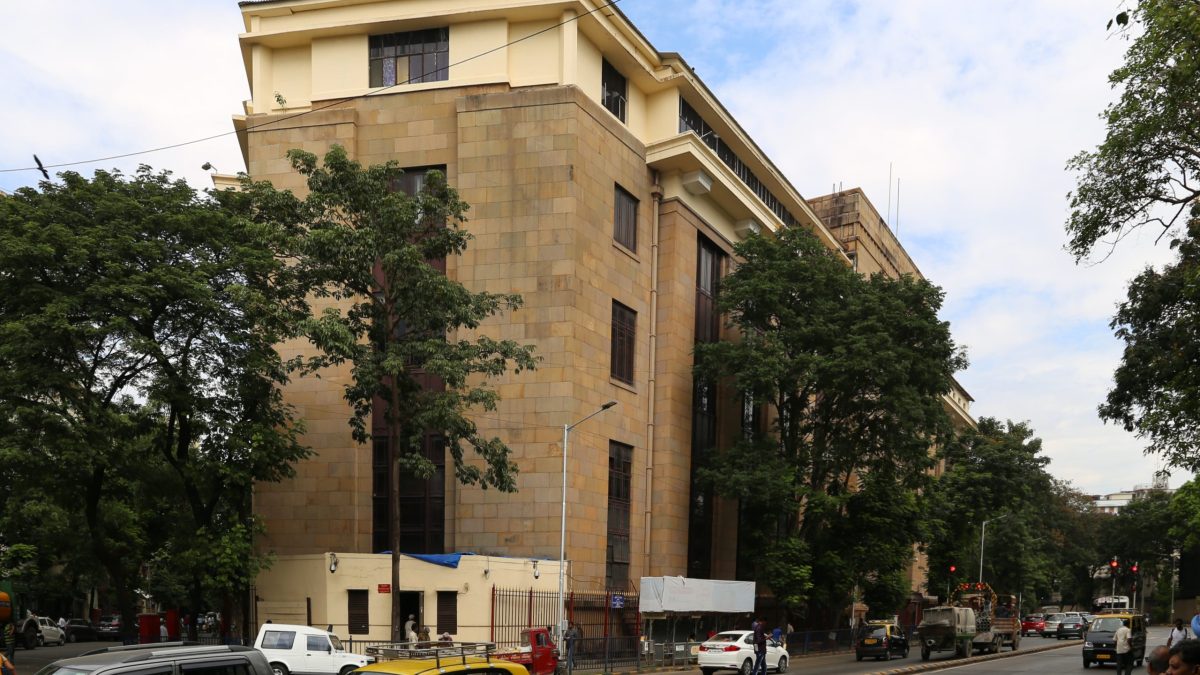
Image: The Reserve Bank of India building in Mumbai (file photo). Photo by Sailko, licensed under CC BY 3.0, via Wikimedia Commons.



Leave a Reply