
India’s passenger vehicle retail sales rose 32.1% year on year to 4,27,213 units in September 2026, according to data from the Federation of Automobile Dealers Associations as reported by Autocar Professional. Another report described it as the best-ever September for the segment.
Maruti Suzuki led with 1,69,132 units, up 30.05% from a year earlier and 2.38% from August, giving it a market share of 39.59%. Mahindra was second at 57,343 units, up 38.93% year on year and 14.13% month on month, with a 13.42% share. Tata followed with 57,254 units, up 28.66% year on year but down 1.02% from August, with a 13.40% share.
Mahindra overtook Tata for the number two position by a narrow margin of 89 units, which the report flagged as a significant change in the rankings. Hyundai was fourth with 50,201 units, up 31.46% on the year and 6.84% on the month, and Toyota fifth with 28,050 units, up 21.56% and 12.85% on the month.
The comparison needs a caveat. The report notes that September 2025 was a weak month because buyers had delayed purchases in anticipation of price cuts after the introduction of what it called GST 2.0. A low base makes percentage growth look larger, so the 32.1% figure reflects both the strength of this year’s demand and the weakness of last year’s.
The mix of fuels is changing. In the report’s breakdown, petrol regained the lead at 41.27% of sales, narrowly ahead of alternative fuels at about 41% combined: CNG and LPG at 23.11%, hybrids at 9.44% and electric vehicles at 8.45%. Separate reports said electric passenger vehicle sales grew about 95% year on year in September, to 36,108 units from 18,559.
There is a difference between retail and wholesale figures. The FADA numbers count vehicles sold by dealers to customers, while the companies report wholesale dispatches to dealers. Search results for the same month showed different company figures, such as 1,81,838 domestic units for Maruti, which appears to be wholesale, so readers should not mix the two series.
Why does this matter for the economy? Vehicle sales are widely followed as a sign of consumer demand, and the strong September retail figure suggests that buyers have been willing to spend despite rising inflation and higher interest rates. The Reserve Bank raised the repo rate by 25 basis points on 7 October, which will gradually affect vehicle loan rates, so the next few months will show whether demand holds.
The ranking at the top shows how close some contests are: only 89 units separated Mahindra and Tata, and a small movement in dispatches or registrations could reverse the order next month. The festive season will be the test. Retail sales in October and November are typically strong, and dealers will be watching whether fuel prices, loan costs and consumer confidence affect purchases. The sources reviewed for this article did not provide a quantified outlook for the festive period, and none is offered here.
In short, September was a strong month for car retailers, though the year-ago base and the retail-wholesale distinction mean that the headline growth rate should be read with care.
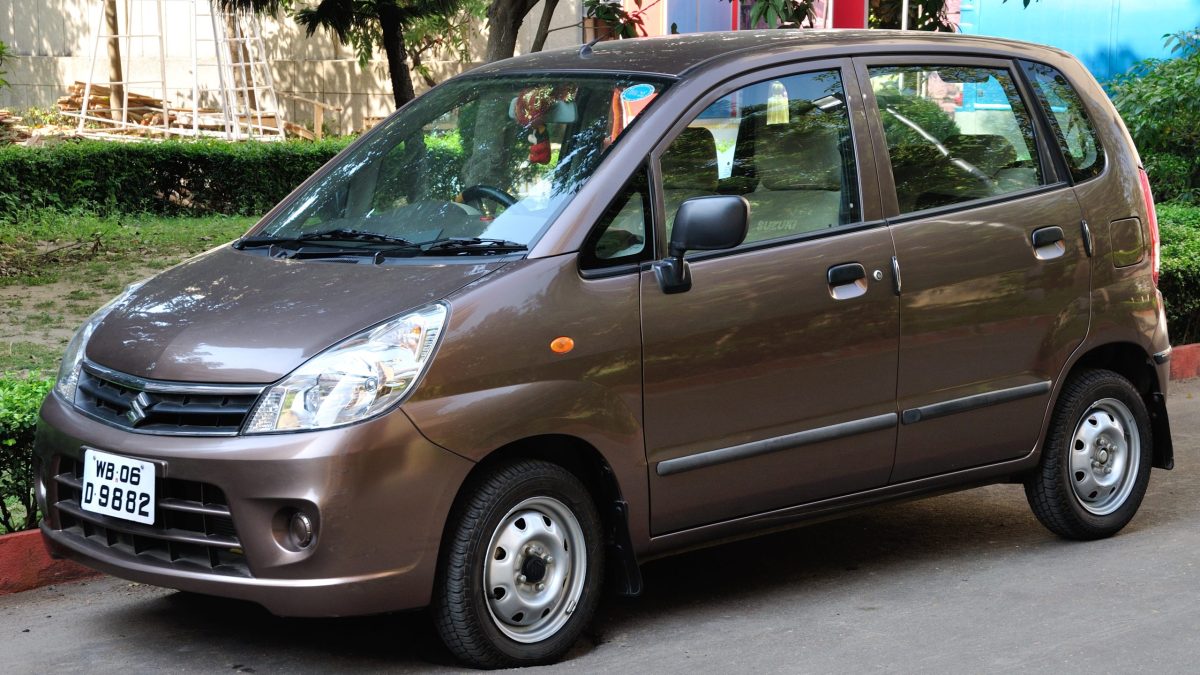
Featured image: A Maruti Suzuki Zen Estilo (file photo; a stand-in image for the market leader, not a photo of the sales data). Photo by Biswarup Ganguly, licensed under CC BY-SA 3.0, via Wikimedia Commons.



Leave a Reply