Indraprasad Gordhanbhai Patel (11 November 1924 – 17 July 2005), known as I. G. Patel, was an Indian economist and civil servant who was at the centre of the country’s economic policy for more than thirty years. He was Chief Economic Adviser, Secretary for Economic Affairs, Governor of the Reserve Bank of India from 1977 to 1982, and then Director of the London School of Economics, the first person of Indian origin to head a major British institution of higher learning.
Quick Facts
| Full name | Indraprasad Gordhanbhai Patel |
| Born | 11 November 1924, Sunav, Gujarat |
| Died | 17 July 2005, New York (aged 80) |
| Education | Baroda College, University of Bombay; King’s College, Cambridge (Ph.D.); Harvard University |
| Occupation | Economist, civil servant, central banker |
| Offices | Chief Economic Adviser; Secretary, Department of Economic Affairs (1968–1972); Deputy Administrator, UNDP (1972–1977); Governor, Reserve Bank of India (1977–1982); Director, London School of Economics (1984–1990) |
| Awards | Padma Vibhushan (1991) |
| Spouse | Alaknanda Patel |
Early Life
He was born in a village in central Gujarat and grew up in Baroda in a family of modest means. He stood first in the university at every stage, and the ruler of Baroda gave him a scholarship to Cambridge. At King’s College he took a first in economics and a doctorate, with a period at Harvard.
Early Career
He returned in 1949 as professor of economics and principal of Baroda College. In 1950 he joined the research department of the International Monetary Fund in Washington, and in 1954 was called to the Ministry of Finance in Delhi as deputy economic adviser.
In the Ministry
For most of the next eighteen years he was the ministry’s leading economist, under a succession of finance ministers.
- he took part in framing the second and third Five-Year Plans and in the negotiations for foreign aid on which they depended
- he was Chief Economic Adviser through the crisis of the mid-1960s, when two droughts, two wars and a suspension of aid led to the devaluation of the rupee in June 1966
- as Secretary for Economic Affairs he was told, one evening in July 1969, to prepare within hours the ordinance nationalising the fourteen largest banks, a measure he had not advised. He drafted it.
He was by temperament a moderate, doubtful of both doctrinaire planning and doctrinaire markets, and grew uneasy as controls multiplied in the early 1970s. In 1972 he went to New York as Deputy Administrator of the United Nations Development Programme.
Governor of the Reserve Bank
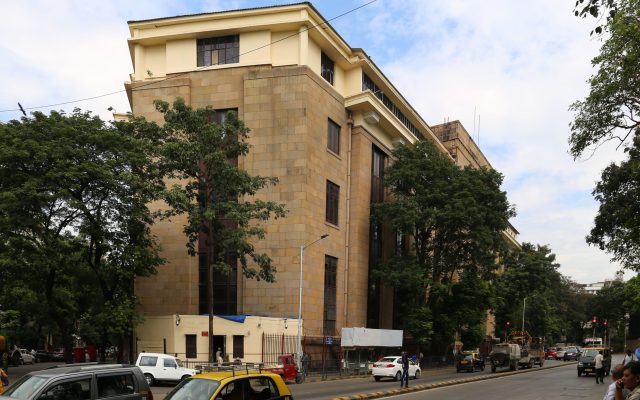
He was appointed Governor on 1 December 1977.
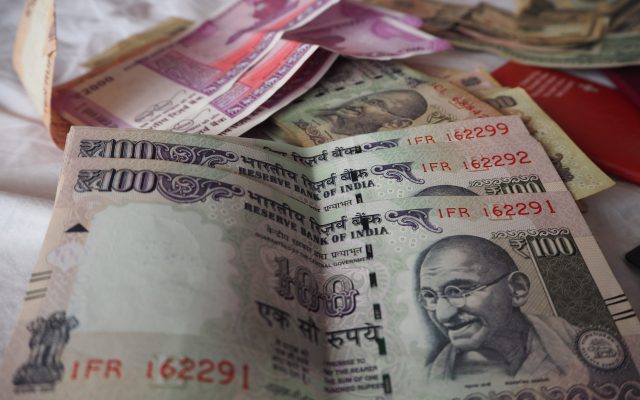
- **Demonetisation, 1978:** the government withdrew notes of one thousand, five thousand and ten thousand rupees to strike at untaxed wealth. He carried it out, and recorded later that he had thought it would achieve little.
- **Gold auctions:** the bank sold gold from government stocks in 1978
- **Bank nationalisation, 1980:** six more banks were taken over
- **The IMF loan, 1981:** after the second oil shock India faced a payments crisis. He was a principal architect of the arrangement by which the Fund agreed to lend about five billion Special Drawing Rights, the largest loan it had made to any country. India drew only part and repaid early.
- **Credit:** he tightened control of the money supply, raised the reserves banks had to hold, and opposed loan waivers and “loan fairs”
Ahmedabad and London
He was Director of the Indian Institute of Management at Ahmedabad from 1982 to 1984, and then of the London School of Economics until 1990. In London he raised money, defended the school’s independence through a period of cuts, and was popular with students. Britain made him an honorary knight.
1991
When P. V. Narasimha Rao formed his government in June 1991, with the country days from default, Patel was the first person he asked to be Finance Minister. Patel declined for personal reasons, and the post went to Manmohan Singh, who had once worked under him.
Writings
His memoir, Glimpses of Indian Economic Policy: An Insider’s View (2002), is a candid account of how decisions were made. In lectures he criticised what he called the passion for doing harm in the name of doing good.
Personal Life
He married Alaknanda, an economist and the daughter of the economist A. K. Dasgupta; they had a daughter. He settled in Baroda and died in New York on 17 July 2005.
Among his successors at the Reserve Bank was Raghuram Rajan; among his predecessors, C. D. Deshmukh.
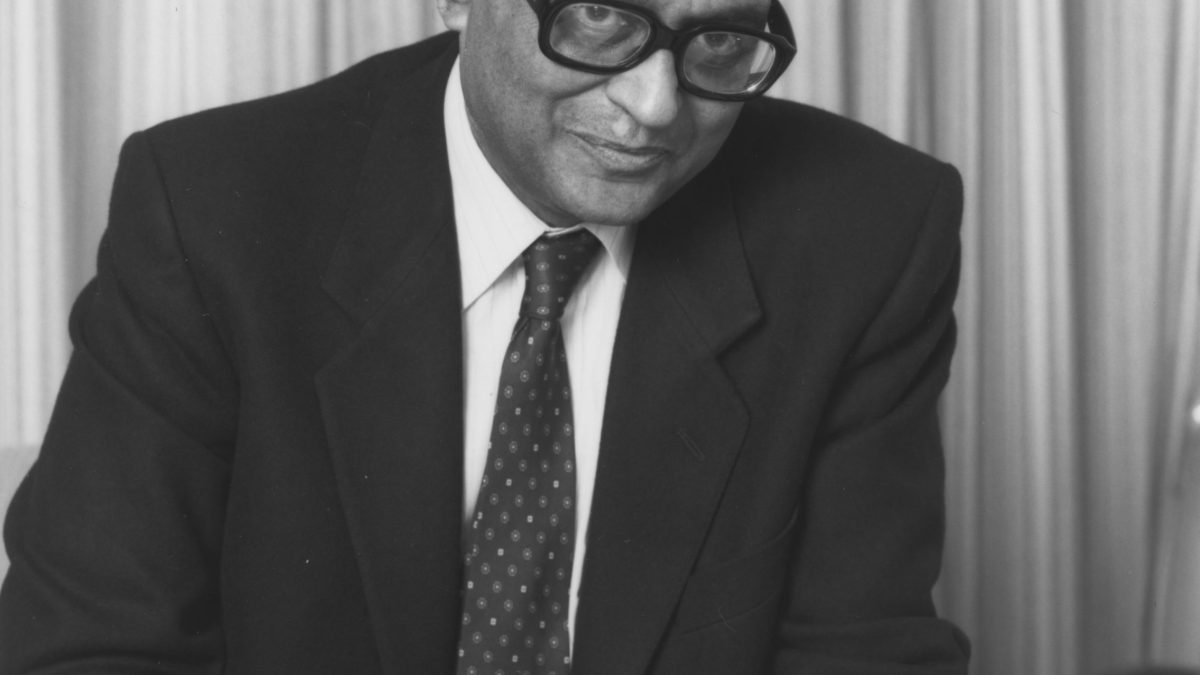
Featured image: I. G. Patel in about 1980. Photo by LSE Library, no known copyright restrictions, via Wikimedia Commons.