
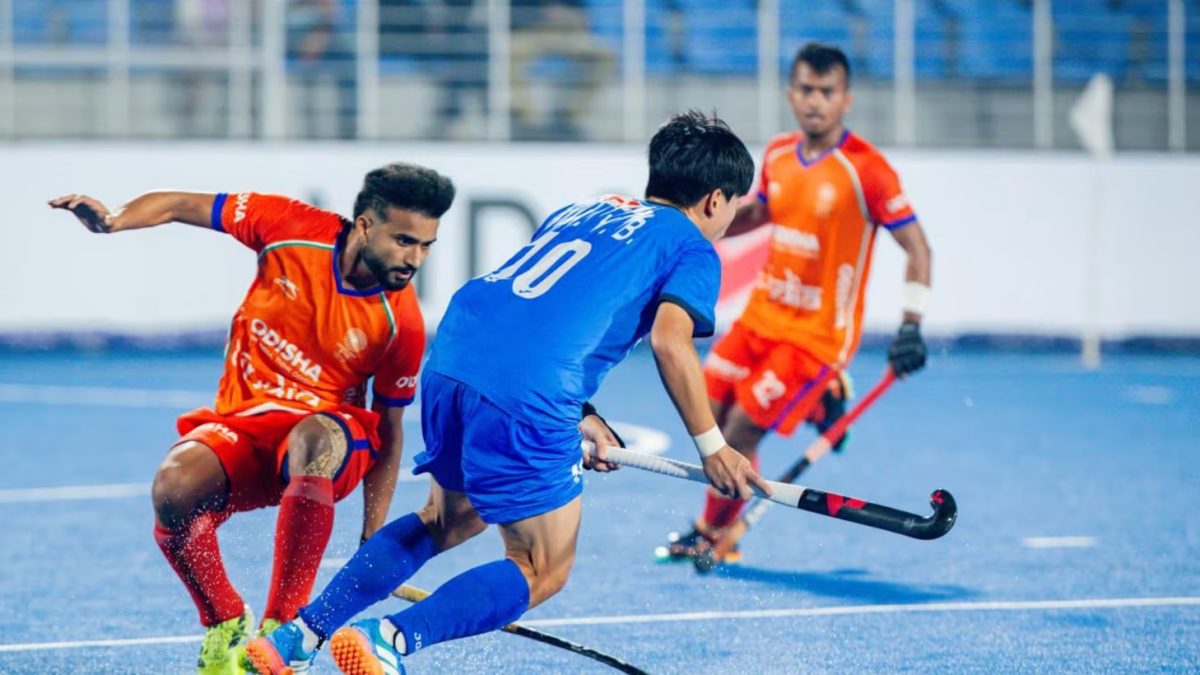
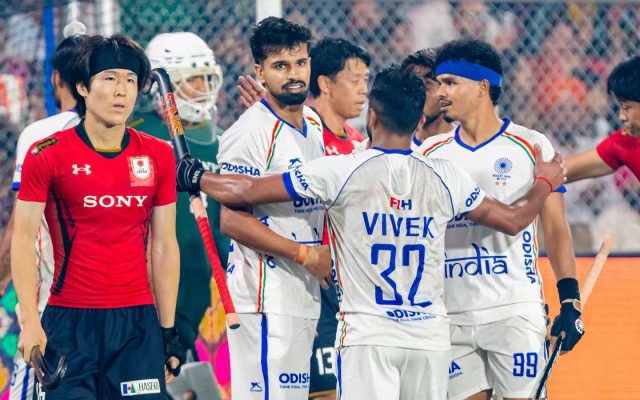
India beat South Korea 8-1 in the semifinal of the men's Asian Champions Trophy on 4 November 2026 and reached the final for a record seventh time. Shilanand Lakra and Dilpreet Singh scored two goals each, while captain Harmanpreet Singh, Sukhjeet Singh, Angad Bir Singh and Vivek Sagar Prasad also scored. India led 6-1 at half-time after scoring three goals in each of the first two quarters. They now face Japan in the final on Thursday at 7 pm, which Japan reached by beating Malaysia 5-3 in a penalty shootout after a goalless draw. The tournament is being played in Jalandhar and Mohali, and the final is live on the Star Sports Network and JioHotstar.
The case for India as clear favourites is simple. Coach Craig Fulton's side won all five round-robin matches to top the six-team table and has stayed unbeaten, scoring freely while keeping its defence tight. The semifinal win came against the same opponent India beat 8-0 in the league stage, and Korea did not win a single penalty corner while India earned four. India are the reigning Asian Games gold medallists, have won this title five times, in 2011, 2016, 2018 (shared with Pakistan), 2023 and 2024, and have already beaten Japan once in this tournament, when Abhishek scored twice in India's third win. Earlier in the league they also beat China 5-2 and Malaysia on the way to the semifinals. The hosts were relentless in attack against Korea, and their four penalty corners to none showed how much of the play they controlled. A sixth title would extend a record they already hold, and the home crowd in Punjab adds to that advantage.
The case for caution is that a final is a different contest. Japan kept a clean sheet for 60 minutes against Malaysia and then won the shootout, which shows the defensive discipline that can frustrate India's attack. The semifinal and league scores against Korea, 8-1 and 8-0, say as much about Korea as about India, and a team that scores that freely against one opponent can find openings far harder to create against another. Japan's route to the final, a goalless draw followed by a shootout, also shows a side that is comfortable in tight matches and does not need to chase the game. Even a final can come down to a shootout, which a single save can decide. India's penalty corners, the most reliable source of goals, are valuable only if the attackers convert them under pressure.
The result matters beyond the trophy. India are building towards bigger tournaments, and a home title in Punjab would reward a hockey culture that has returned to its roots. On the eve of the semifinals, the daughter of the late Balbir Singh Sr, the great Olympian from Punjab, spoke of hockey finally returning home, a sentiment that fits a title won at home. It would also give the team confidence against Asian rivals before facing stronger European sides, where the margin for error is far smaller than it has been here.
India have earned the favourite's tag with their form, but Japan have earned respect. If India stay patient and convert their chances, a sixth Asian Champions Trophy is within reach.

Leave a Reply