
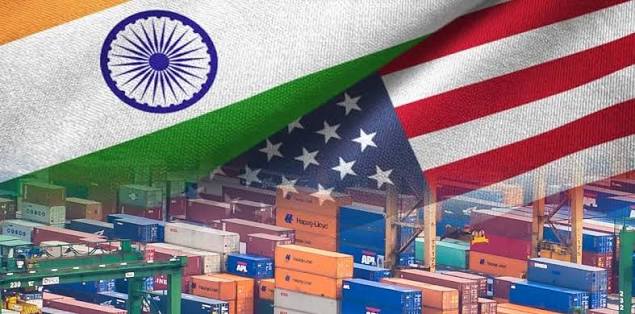
India and the United States announced a framework for an interim trade agreement on 6 February 2026, and it has become the central question in relations between the two countries ever since. Under the framework, the United States would apply an 18 percent reciprocal tariff on goods from India, down from duties of up to 50 percent after the escalation of August 2025. In return, India said it intends to buy more than 500 billion US dollars of American energy, technology products, aircraft and other goods. Prime Minister Narendra Modi and President Donald Trump spoke by phone on 30 September to review trade, defence and energy ties, yet a fully signed agreement has still not been confirmed.
The case for the framework is about relief for exporters. The 50 percent burden on Indian goods consisted of a 25 percent reciprocal tariff and a further 25 percent penalty over purchases of Russian oil. The framework cut the reciprocal rate to 18 percent, and the President signed an order removing the Russia-oil penalty. Gems and diamonds, pharmaceuticals, smartphones, tea, coffee, fruits and handicrafts were listed for zero duty. India protected its most sensitive sectors, including dairy, rice and millets, so the deal does not open the farm economy to a flood of imports. At the G7 meeting, the two leaders also told their officials to work towards a balanced and commercially meaningful agreement as early as possible.
The case against rests on how uncertain the arrangement still is. The United States revised its factsheet a few days after the announcement, changing India's purchases from committed to intends, dropping the reference to pulses, and softening the pledge to scrap India's digital services tax into a commitment to negotiate. Pharmaceutical terms depend on a separate American investigation under Section 232. A law-firm analysis dated 12 October says the 18 percent tariff was never implemented because the Supreme Court ruled on 20 February that the emergency law used to impose such tariffs does not authorise them. If that reading is right, exporters have had a framework in name but little certainty in practice.
The stakes are high for both economies. For India, the United States is a major market for textiles, gems, pharmaceuticals and electronics, and uncertainty makes it harder for small exporters to sign long contracts. For the wider world, the talks show how tariff politics can reshape supply chains, since manufacturers deciding where to build factories watch these rates closely. A stable deal would also strengthen cooperation on defence, energy and critical technologies, areas where both leaders have said they want to work together.
The framework was a real step away from the 50 percent tariffs of 2025, but a framework is not a treaty. Until a signed text sets out rates and legal footing, the deal remains a promise. Exporters should plan for both outcomes. Businesses that ship to the American market should watch for an official notice from the commerce ministry, the text of any signed interim agreement, and the status of the pharmaceutical investigation, because each of these will decide whether the lower tariff rate is really available. Until then, the safest assumption for planning is that rates could still change, and that the 500 billion dollar purchase intention is a goal and not yet a binding contract.


Leave a Reply