
Keoladeo National Park, at Bharatpur in eastern Rajasthan, is one of the best places in the world to watch birds. It covers only 29 square kilometres, but more than 370 species have been recorded in it. UNESCO inscribed the park as a World Heritage Site in 1985.
At a glance
- Location: Bharatpur, Rajasthan, about 55 kilometres from Agra
- Inscribed: 1985
- Type: Natural
- Area: about 29 square kilometres
- Also known as: Bharatpur Bird Sanctuary, Ghana
A man-made wetland
The park is not a natural lake. In the eighteenth century the Jat ruler of Bharatpur, Suraj Mal, built an earthen dam, the Ajan Bund, where two rivers met, flooding a natural depression. Later maharajas added dykes and sluices to control the water, and made the marsh their private duck-shooting reserve.
Shoots were held in honour of visiting viceroys and princes. A stone tablet in the park records the bags; the highest, in 1938, was more than four thousand birds in a day.
From shoot to sanctuary
The ornithologist Salim Ali, who ringed birds here for many years, campaigned for its protection. It became a sanctuary in 1956, shooting ended in the 1960s, and it was made a national park in 1982. It is named after an old temple of Shiva, Keoladeo, inside it.
The birds
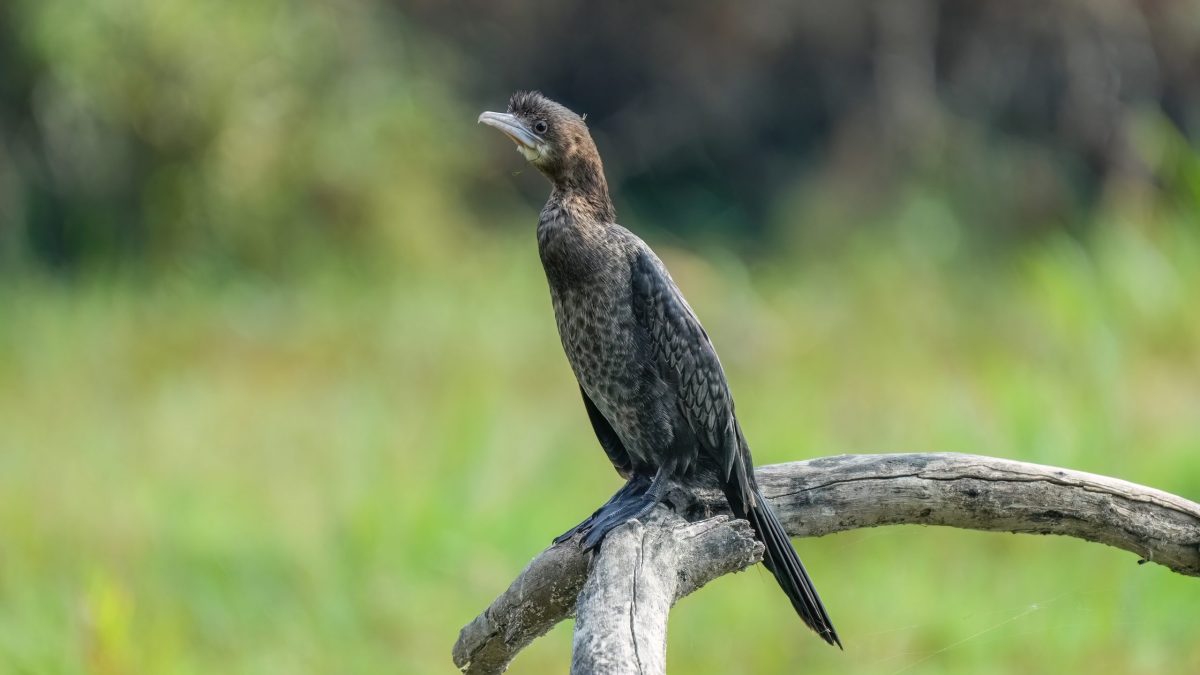
- Breeding colonies: in the monsoon, thousands of painted storks, herons, egrets, ibises, spoonbills and cormorants nest together in the trees
- Winter visitors: ducks, geese, pelicans, cranes and birds of prey from Central Asia, Siberia and China arrive from October
- Residents: the sarus crane, the tallest flying bird, kingfishers, owls and many more
The park was once the only wintering ground in India of the Siberian crane. The flock dwindled year by year, and the last birds were seen in 2002.
Other wildlife
Sambar, spotted deer, nilgai, wild boar, jackals, pythons and turtles live in the park’s woodland, grassland and water.
The water problem
The wetland depends on water released from a reservoir and brought by canal and pipeline, for which it must compete with farmers. In dry years much of it has dried out, and the site has been placed on an international register of wetlands in need of attention.
Why it is a World Heritage Site
Keoladeo is a wetland of international importance for migratory waterfowl and a major breeding ground for resident birds.
Visiting
Motor vehicles are not allowed beyond the entrance; visitors walk, cycle or hire a cycle-rickshaw, whose pullers are trained as bird guides. The best months are November to February.
Image: A little cormorant in Keoladeo National Park, Bharatpur, Rajasthan. Photo by Giles Laurent, licensed under CC BY-SA 4.0, via Wikimedia Commons.




Leave a Reply