
All 10 candidates for the Rajya Sabha seats from Uttar Pradesh were declared elected unopposed on 9 October 2026, with the BJP winning eight seats and the Samajwadi Party (SP) two, according to Millennium Post, The Tribune and The Hans India. The elections for the state’s seats had been scheduled for 16 October, but the unopposed result made polling unnecessary.
The BJP’s eight winners are Dharampal Singh, Prakash Pal, Shruti Gangwar, Vidya Sagar Sonkar, Priyanka Rawat, Radhakant Ojha, Gopi Krishna Pandey and Ram Pratap Singh Chauhan, according to Millennium Post. The SP’s two are its senior leader Ram Gopal Yadav and Dhanraj Parimal Nathwani, who is described by The Hans India as an executive associated with Reliance Industries.
Two independent candidates had their nomination papers rejected during scrutiny, and no candidate withdrew before the deadline, according to the reports. An election is held only when there are more candidates than seats, so with exactly 10 valid candidates for 10 seats the returning officer declared them elected, which is the standard procedure and general background rather than a statement in the reports.
The members whose terms end on 25 November 2026 include Ramji Gautam of the Bahujan Samaj Party, according to IndiaX24’s earlier report on the retiring members. Millennium Post says that the change ends the BSP’s Rajya Sabha representation from the state. The BJP’s eight seats and the SP’s two seats are in line with the number of members that each party has in the state assembly, but the reports reviewed do not give the assembly strengths.
Two other states also had unopposed results. In Uttarakhand, the BJP’s Dinesh Arya won unopposed and will succeed Naresh Bansal, whose term ends on 25 November, according to Millennium Post. In West Bengal, the by-election seat went to Koel Mallick, who is described by The Hans India as an actor-turned-politician. Millennium Post describes her as a BJP candidate and a former Trinamool Congress member who resigned in July after the party’s electoral defeat and joined the BJP in October.
The result completes the Rajya Sabha elections of 2026, which were held in rounds from 16 March to 16 October to elect 72 of the 245 members, according to Wikipedia’s page on the elections. IndiaX24 has reported on the cycle in separate articles.
A correction is needed on IndiaX24’s own earlier reporting. IndiaX24’s preview of 15 October described voting on 16 October for 12 seats, including 10 in Uttar Pradesh. The reports above show that the Uttar Pradesh seats were decided without a vote on 9 October, after nominations were scrutinised and the withdrawal deadline passed. This article is intended to clarify the position.
The unopposed election of all 10 members shows how few contested elections there are when parties’ strengths in the assembly are clear and neither side fields an extra candidate. Contested Rajya Sabha elections, in which legislators cross-vote, are rarer, and the reports reviewed do not describe any contest in this round in Uttar Pradesh.
The new members will take their seats when the present members’ terms end on 25 November 2026. IndiaX24 will report on the composition of the Rajya Sabha after the new members are sworn in.
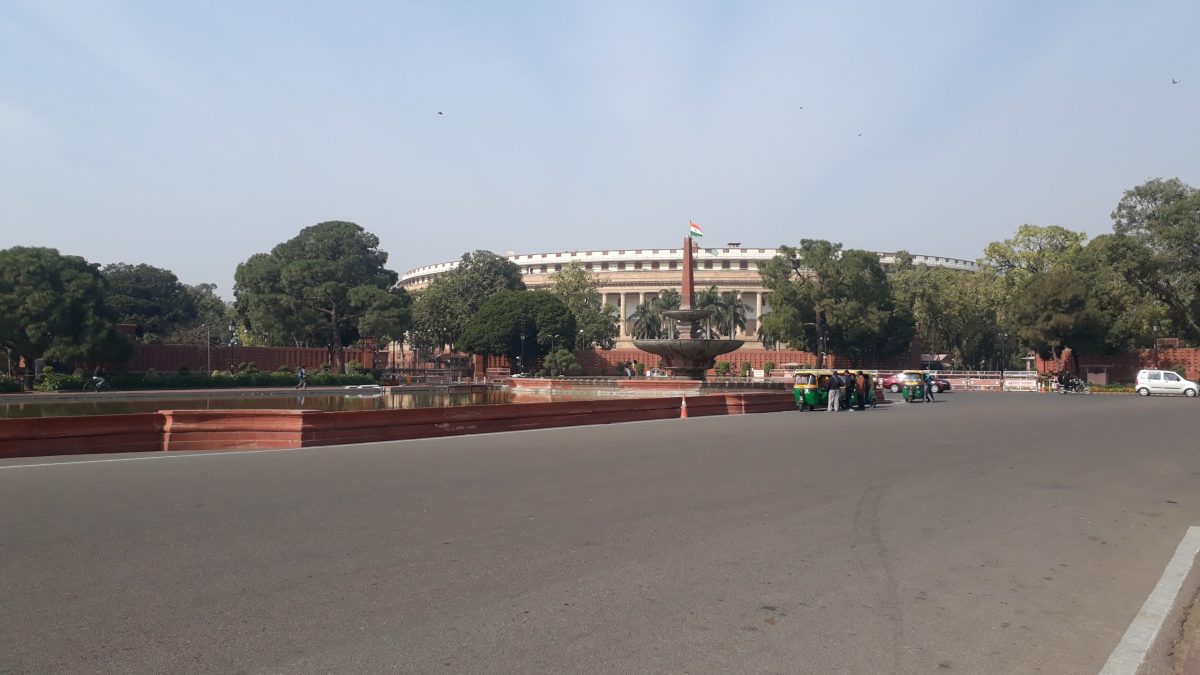
Image: The Parliament of India in New Delhi (file photo). Photo by Pinakpani, licensed under CC BY-SA 4.0, via Wikimedia Commons.




Leave a Reply