
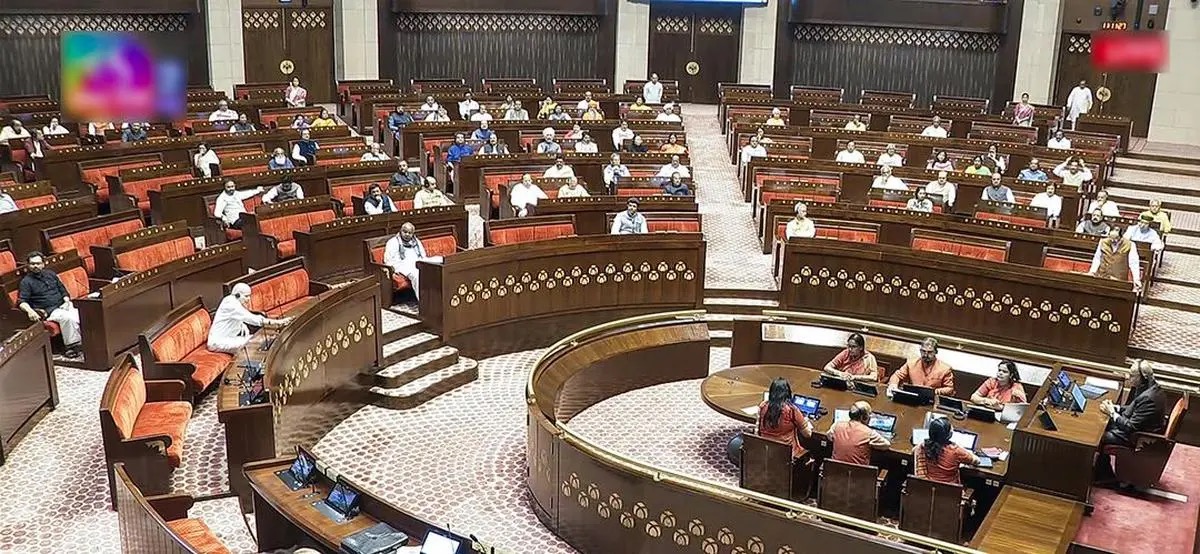
The 2026 Rajya Sabha elections, held in phases between 16 March and 12 November, have increased the strength of the National Democratic Alliance in the upper house of Parliament. Among the seats that were contested in this cycle, the NDA rose from 41 to 54, a gain of 13, while the INDIA bloc fell from 24 to 19. The BJP went from 30 to 38 seats and the Congress from 8 to 11. The polling dates were 16 March, 18 June, 24 July, 16 October and 12 November. The overall house now has 137 elected NDA members against a majority mark of 123. The phases were spread over eight months because the terms of members end at different times in different states, and the last round, on 12 November, is still to come.
The case that the cycle strengthened the government is clear from the table. The BJP gained eight seats, the TDP gained two, rising from one to three, and two independents, Dilip Ray and Parimal Nathwani, won, the latter with BJP backing. The NDA’s elected strength of 137 is 14 above the majority mark of 123, and it can also count on support from some of the 12 nominated members. Among the new members are Nitish Kumar and Nitin Nabin from Bihar and Sanjay Bhatia from Haryana. In the March round, members from states other than Bihar, Haryana and Odisha were elected unopposed, and a cited headline gave the number as 26, so many seats were decided without a contest.
The counter-argument is that the opposition has held on better than the headline numbers suggest. The Congress itself gained three seats, rising from eight to 11, and it sent Mallikarjun Kharge from Karnataka, Abhishek Manu Singhvi from Telangana and Digvijaya Singh from Madhya Pradesh. Sharad Pawar of the NCP (SP) and H. D. Deve Gowda of the JD(S) also won. The INDIA bloc still holds 62 seats in the House, well short of the 123 needed for a majority, and its losses were concentrated among partners, not the Congress: the Trinamool Congress fell from seven to four seats, the DMK from four to two and the BJD from three to one. In other words, the Congress gained while its allies and the regional parties lost.
The result matters for the country because the Rajya Sabha has to pass every law and every constitutional amendment, which need a two-thirds majority in each house. A stronger NDA makes it easier to pass ordinary legislation, but constitutional changes such as the delimitation bill still need support beyond the alliance. For the regional parties, the fall in seats shows how much their influence in the upper house depends on the fortunes in their states.
The Rajya Sabha is a permanent house whose members are elected by state legislators, so its composition changes slowly and follows the results of state elections held earlier. The 2026 cycle has improved the NDA’s position in the Rajya Sabha without giving it a free hand on constitutional questions. The opposition remains weakened by the decline of its regional partners, even as the Congress has gained.

Leave a Reply