
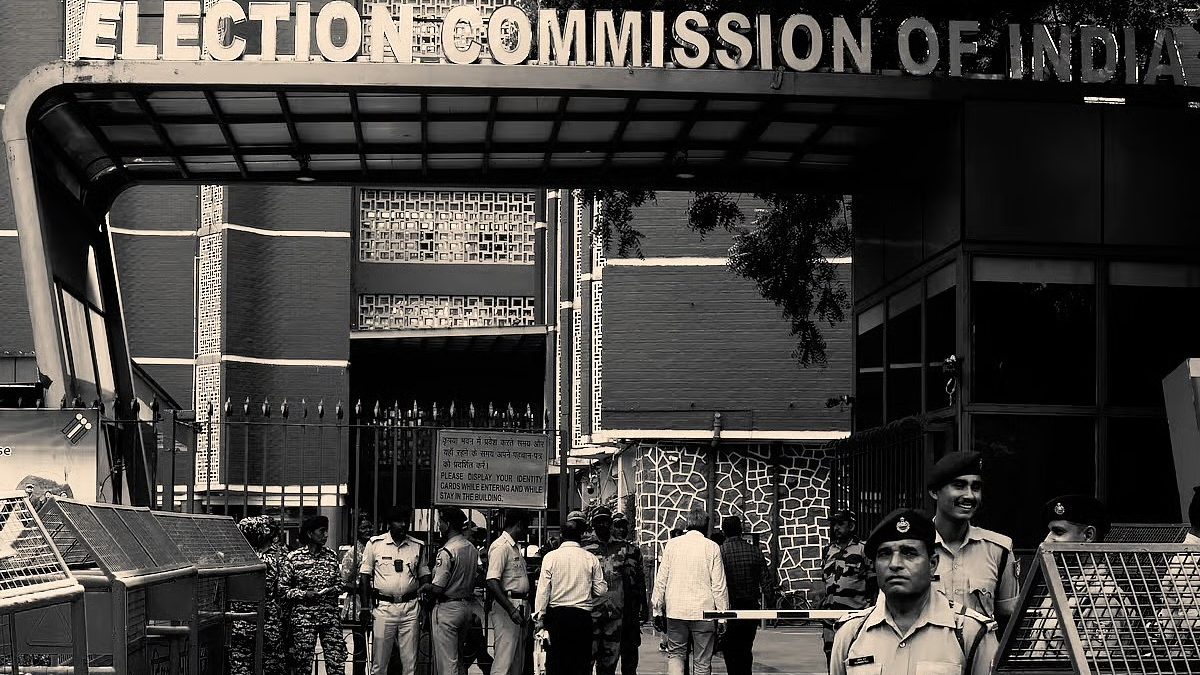
The Election Commission of India directed 17 states and union territories on 15 October to carry out a Special Summary Revision of their electoral rolls with 1 January 2027 as the qualifying date, according to an ANI report carried by ThePrint. The 17 are the Andaman and Nicobar Islands, Assam, Bihar, Chhattisgarh, Goa, Gujarat, Kerala, Lakshadweep, Madhya Pradesh, Manipur, Puducherry, Punjab, Rajasthan, Tamil Nadu, Uttar Pradesh, Uttarakhand and West Bengal. Polling stations are to be rationalised by 2 November, the draft rolls published on 12 November, claims and objections filed until 11 December and disposed of by 28 December, and the final rolls released on 4 January 2027. The order was issued under Section 21 of the Representation of the People Act, 1950.
The argument that the revision is a measured and inclusive step is based on its design. A summary revision is lighter than the Special Intensive Revision, which checks every voter, so it should cause less disruption. The claims window runs 29 days from 12 November to 11 December, and anyone who turns 18 on or before 1 January 2027 can be enrolled. The Commission cited Article 326 of the Constitution and Sections 16 and 19 of the 1950 Act, and said that the electoral registration officer of each assembly constituency must ensure that "no eligible citizen is left out while no ineligible person gets included". It also barred vacancies in the posts of district election officers and registration officers during the exercise, and barred transfers of officials involved between the draft and final rolls without its prior approval.
The argument for caution comes from the controversy over the intensive revision. In Delhi that exercise removed about 47.7 lakh names from a draft roll of about 1.45 crore, and the Supreme Court is hearing a plea about the notices on 28 October, so opposition parties are likely to examine the summary revision closely. The schedule does not cover every state: it excludes Andhra Pradesh, Haryana, Karnataka, Maharashtra, Odisha, Telangana and Delhi, where the intensive revision is under way or recently finished, and Himachal Pradesh, Jammu and Kashmir and Ladakh, whose schedules will come later. The reports reviewed do not give the number of electors covered or the opposition's response, and several listed states, including Punjab, Uttar Pradesh, Uttarakhand, Goa and Manipur, face elections in early 2027. The 17 are 14 states and three union territories, and the whole exercise runs 63 days from rationalisation on 2 November to the final rolls on 4 January 2027.
The revision matters because the electoral roll is the foundation of every election, and the revised rolls will be the basis for the 2027 contests in states such as Uttar Pradesh and Punjab. Booth-level officers and the online portal are the normal routes for checking a name, and the 29-day window for claims is the main safeguard against wrongful omission. For parties, the draft of 12 November is the first point at which they can check numbers in their strongholds, and a large, unexplained fall will become a political issue.
A summary revision is a routine tool made contentious by the dispute over the intensive one. The draft roll on 12 November will show how routine it really is.

Leave a Reply